China23 August, 20263 min read
China Postpones Chang’e-7 Moon Mission After Space Office Says Launch Conditions Not Met
China delays Chang’e-7 after assessment finds launch conditions not met, postponing this year's window. Chang’e-7 aims to search for water ice near the Moon’s south pole.

Chang’e-7 delayed
China postponed the launch of its robotic Chang’e-7 lunar mission after the China Manned Space Engineering Office said the spacecraft “does not meet the conditions for launch,” meaning “cannot take place during the planned window this year.”
The mission had been expected to lift off as soon as Sunday evening or Monday morning Beijing time, but Chinese state media said no new launch date has been announced.

The delay is tied to a weather system, with reports linking it to Tropical Depression Narra in the Gulf of Tonkin and to conditions near the Wenchang Space Launch Site on Hainan Island.
SpaceNews said the Chang’e-7 spacecraft stack was rolled out atop its Long March 5 launch vehicle to the pad at Wenchang Satellite Launch Center on Aug. 19, with airspace closure notices indicating a planned launch no earlier than late Aug. 23 Eastern time (Aug. 24 UTC).
Window uncertainty
Multiple outlets described how China’s messaging left the timing unclear, with Space.com noting that “messaging on the topic has been characteristically murky” after officials first pushed the launch back a day to Monday (Aug. 24).
Space.com also said the state-run Xinhua news agency reported on Aug. 23 that “China's Chang'e 7 lunar probe does not meet launch conditions, and its launch therefore cannot take place during the planned window this year.”
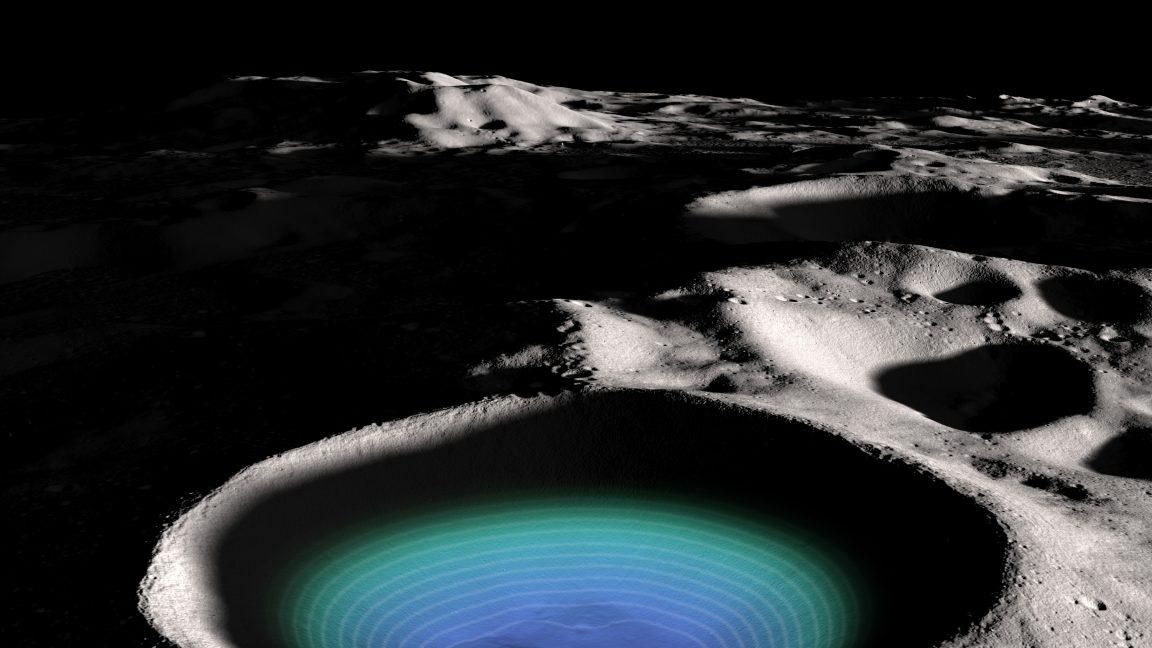
The South China Morning Post said the delay followed a “comprehensive assessment” and quoted Narit saying the particular launch window depends on the sun lining up “just right for the lunar crater.”
Ars Technica, as cited by UA.NEWS, suggested the postponement could be influenced by Typhoon Narra lingering near the Wenchang Spacecraft Launch Site, while social media users discussed a possible next suitable window in February or March 2027.
Al Jazeera reported that the Chang’e-7 launch window runs from Monday, August 24 to Monday, August 31, according to launch observers, meaning the mission could lift off on any day in that period.
What’s at stake
Chang’e-7 is designed to search for water ice near the Moon’s south pole, and CNN said the mission is intended to scour the region for water ice that the United States also hopes to use. Al Jazeera said the mission’s lander was expected to touch down near the edge of Shackleton Crater, and it described the rover and the hopper as tools to analyze the local environment and explore the Shackleton Crater. CNN also framed the delay as potentially affecting the pace of the space race, noting that the United States has several spacecraft heading for the same lunar region within the next year, including Astrobotic Technologies’ Griffin lander as soon as late 2026.
SpaceNews said a Chang’e-7 detection indicating substantial water-ice at the lunar south pole could have “major implications for science and the future of lunar exploration,” while Space.com described the region as thought to harbor lots of water ice in crater floors that have not seen the sun for billions of years. Yuqi Qian, a lunar geologist at the University of Hong Kong, told CNN that Chang’e-7 marks a shift “from an exploration program to a resource utilization program,” but the mission’s timing uncertainty leaves the next step in that transition pending.