China25 August, 20263 min read
United States Launches Economic D-Day To Isolate Iran, Threatens China Over Oil Trade
This article is an automated aggregation of coverage from news outlets. Our editorials offer in-depth analysis curated by the NewsCord team.
U.S. launches 'economic D-Day' to isolate Iran with broad sanctions on its economy. Treasury warns countries, including China, face sanctions for continuing trade with Tehran.
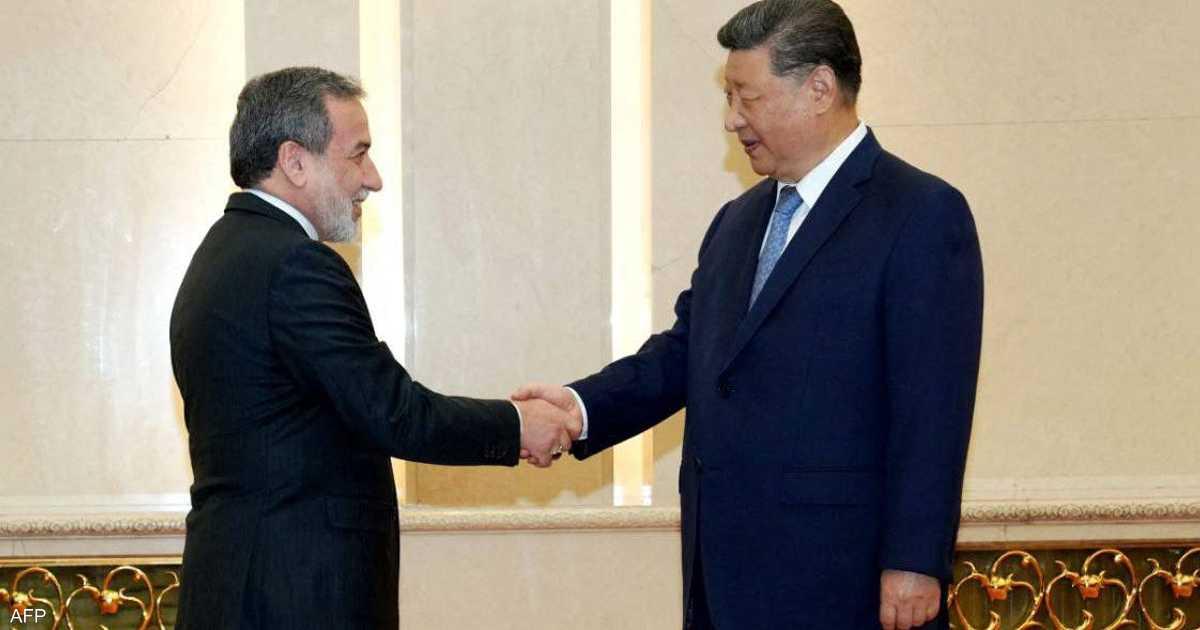
Al Jazeera was read line by line by the Watchdog: 2.2. See the score →
Economic D-Day and China
The United States announced an "economic D-Day" campaign to isolate Iran from the global economy, threatening penalties against "enablers" that continue doing business with Tehran, and the U.S. government said China is the biggest buyer of Iranian oil and accounts for about 90% of its oil exports.
China reported $9.96 billion in bilateral trade with Iran in 2025, excluding the roughly $31.2 billion in unreported Iranian crude oil exports to China that year, according to the U.S.-China Economic and Security Review Commission.

The U.S. Treasury has sanctioned several independent Chinese refiners this year for Iranian oil purchases while sparing Chinese financial institutions, and in May China ordered domestic firms to disregard U.S. sanctions on five refiners linked to the Iranian oil trade.
Dan Wang, China director at Eurasia Group, said Beijing will "quietly step up compliance" among state banks and oil companies to avoid getting caught in the net, pointing to "a dichotomy between the official statement and the private practice."
The U.S. plan also intersects with other regional hubs, with the Emirates described as a major trading hub for Iran and bilateral trade amounting to around $28 billion in 2024, according to World Trade Organization data.
Retaliation fears and warnings
China warned that it could retaliate over the U.S. sanctions, with the Financial Times framing the issue as China warning the U.S. it could retaliate over Iran sanctions.
At a press conference, U.S. Treasury Secretary Scott Bessent said, "Let me be clear: any entity that facilitates money laundering on behalf of Iran will be removed from the US dollar system. The clock just started ticking," as the U.S. issued a warning demanding "immediate action" from nations maintaining economic and commercial ties with Iran.
Al Jazeera reported that Brett Erickson, a sanctions expert and managing principal of Obsidian Risk Advisors, said the U.S. decision to bring China into the ring would be "a serious indication that the United States plans to wage this economic war for a prolonged period of time."
Al Jazeera also quoted Jennifer Kavanagh, a senior fellow at Defense Priorities, saying, "Cutting off Chinese economic ties will be key to the success of any attempt to increase pressure on Iran. However, the United States won’t do it," and adding that if it did, "China will retaliate and has the leverage to impose costs on the US."
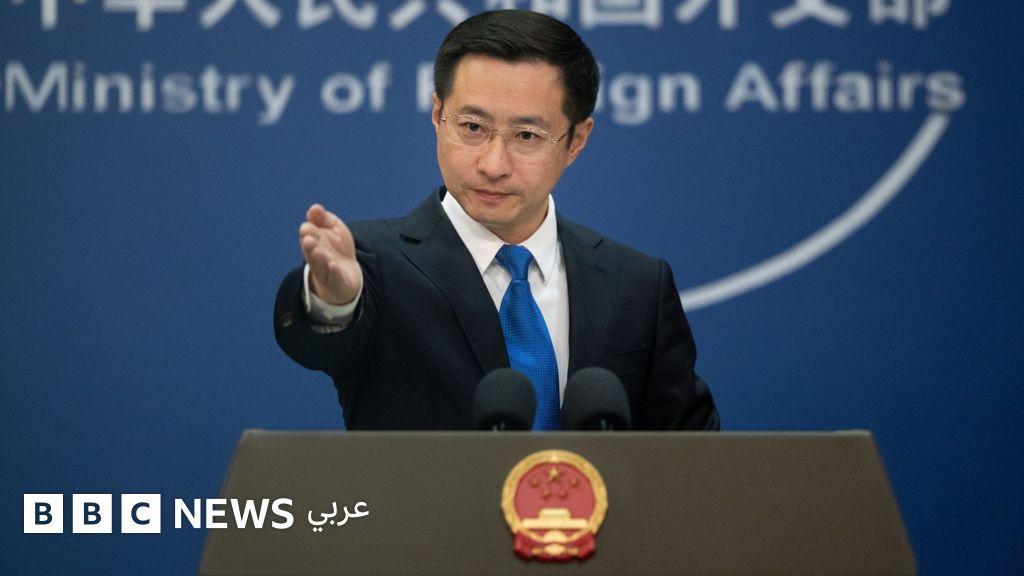
China’s Ministry of Foreign Affairs spokesperson Wang Wenbin said at a regular press conference, "China will take all necessary measures to safeguard its rights and interests with resolve," in response to questions about new U.S. sanctions on Iran.
What’s at stake next
The Reuters report said the Treasury Department announced new sanctions on 60 individuals, entities, and ships, while the list did not include any Chinese financial institutions suspected of facilitating Iranian oil trade.
Reuters also quoted U.S. Treasury Secretary Scott Bessent saying, “We want to make it clear today that no one is immune from American sanctions,” and it said China affirmed that its cooperation with Iran operates within international law and should not be interfered with or obstructed.
In parallel, Al Jazeera reported that China’s purchases of Iranian oil have been a crucial lifeline for Tehran, accounting for about 90 percent of its oil sales, and it said the Trump administration’s willingness to target China would be an indication of its resolve to mount a sustained economic offensive against Tehran.
The BBC reported that U.S. Treasury Secretary Scott Bessent said, “No one is immune to U.S. sanctions,” when asked about the possibility of targeting Chinese banks with the new sanctions.
With oil flows and maritime risk in focus, Reuters said a ship near the Strait of Hormuz was struck by an unknown shell and disabled about nine nautical miles northeast of Chiṣah, Oman, at the entrance to the Strait of Hormuz, and it reported that preliminary data from Fortexa indicated crude oil transfers through the Strait of Hormuz reached five million barrels per day yesterday, down from more than 20 million before the war.