Gaza Genocide · 01 September, 2026 · 3 min read
World Health Organization Warns Gaza Rainy Season Will Worsen Water Contamination And Disease Risks
Water contamination in Gaza rises to about 20% as winter approaches, WHO says. Deteriorating water quality raises risk of waterborne diseases and diarrhea ahead of winter.
9 outlets, one story, no spin found.
7 of 9 outlets skipped it: lack of entry for prosthetics/rehabilitation equipment for amputees.
Al Jazeera was read line by line by the Watchdog: 5.0. See the score →
9outlets compared
WHO flags Gaza winter risks
The World Health Organization warned on Tuesday that the approaching rainy and winter season will worsen health risks in the Gaza Strip as the majority of the population continues to live in difficult humanitarian conditions. WHO representative in the occupied Palestinian territory Reinhold van de Weerd told journalists in Geneva that the organization remains unable to provide the minimum quantities of water needed by the population, stressing that water quality and contamination are a major problem. Van de Weerd said microbiological contamination in water increased by about threefold between January and August after analyzing more than 6,700 water samples, with the contamination rate rising from less than 6% in January to more than 18% in August.
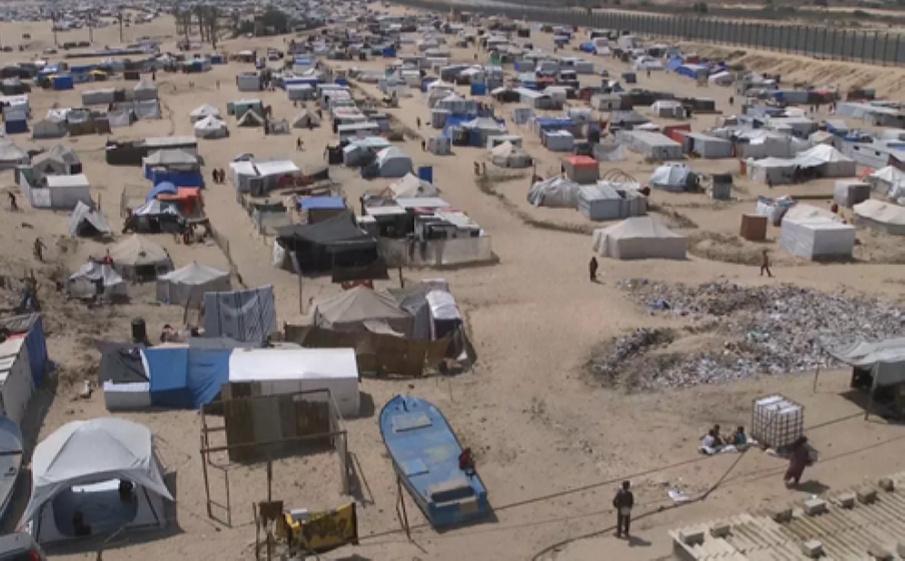
She added that this led to a noticeable increase in cases of acute diarrhea, as the number of cases rose from about 27,000 in March to more than 48,000 in August. The WHO official warned that coming rains may lead to flooding in overcrowded camps and the spread of sewage, garbage and contaminated water into places where residents sleep, cook food and care for their children, increasing the risk of waterborne diseases.

Disease spread and lab limits
TRT World reported that Van de Weerdt warned that the rains and winter are “just around the corner,” saying flooding in overcrowded places will spread sewage, waste, and contaminated water into areas where people sleep, cook, and care for their loved ones. She also warned that standing water could breed mosquitoes and pests, while damp, mold-infested tents could increase the risk of illnesses, particularly respiratory diseases among young children. The WHO representative said laboratory capacity remains limited, allowing authorities to detect and track only essential microbiological contaminants in the water and the environment.
TRT World added that Van de Weerdt highlighted the lack of access to essential services for amputees, noting that more than 6,600 people in Gaza are estimated to require long-term care following limb amputation. In a separate account, Al Jazeera said the WHO official warned that “Whilst we fail to provide people with the minimum quantities of water, water quality and water contamination remains a major issue,” while also calling for “unimpeded and expedited entry of humanitarian supplies”.

What’s at stake next
The WHO warned that the rainy season could also bring a broader spread of pests, mosquitoes, mold and bacteria, while Gaza’s health system is suffering from severe exhaustion and is unable to deal with disease outbreaks. شبكة يافا الإخبارية said the UN official stressed the urgent need to provide more permanent shelters, sustainable water supplies in terms of quantity and quality, and waste management systems, in addition to meeting the needs of laboratories to enable them to quickly identify the causes of diseases. The same report said the entry of essential laboratory and diagnostic supplies, including the reagents necessary for conducting tests, remains prohibited.
Al Jazeera linked the looming public health crisis to the wider conditions in Gaza, saying the territory remains under blockade and that much of Gaza has been destroyed during Israel’s genocidal war. Al Jazeera also quoted Doctors Without Borders declaring in April that Israel had used water access as a “weapon” in Gaza, and said the group pointed to data from the United Nations, European Union and World Bank indicating that Israel had destroyed or damaged nearly 90 percent of water and sanitation infrastructure in the territory.