
Crypto · 20 May, 2026 · 2 min read
Coinbase Launches Open-Source x402 Payments Protocol After Brooklyn Hackathon With 100 Engineers
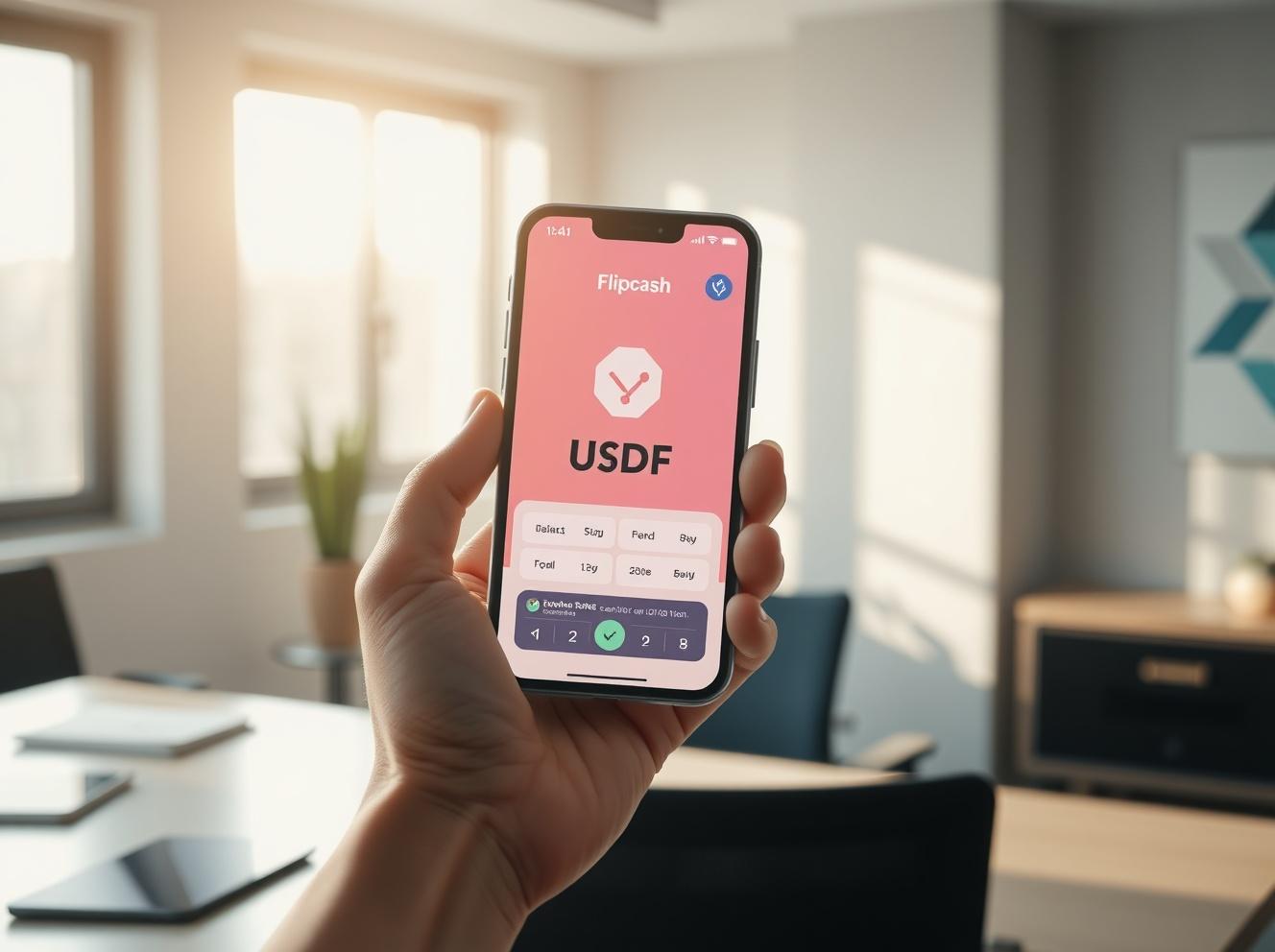
Coinbase launches USDF, a Solana-based stablecoin issued via its Custom Stablecoin platform with Flipcash. USDF is backed 1:1 by USDC, serving as settlement asset for currencies on Flipcash.
What Coinbase’s stablecoin move is primarily about.
10 of 11 outlets skipped it: x402 is used for instant stablecoin payments via error code name..
11outlets compared
Same story, two versions
tap a side to read it in full
One frames AI-agent payments; the other frames business issuance infrastructure.
Coinbase bets on stablecoin payments
Coinbase Global Inc. (COIN) staged a hackathon called “Crypto x AI” in Brooklyn, where around 100 engineers from “Malasia hasta Italia” worked on projects connecting chatbots and mobile apps to “dólares digitales” and stablecoins.
Bloomberg Línea says the event reflected a shift from the “cultura de casino” of early crypto toward building “infraestructura de pagos” with a practical purpose, as the company positions stablecoins as the infrastructure for “la era del comercio agéntico.”B
To enable that, Coinbase launched x402, a “protocolo de pagos de código abierto” named after an unused internet error code: “402 Pago Requerido.”
The system is described as letting applications, bots, or machines “carguen y liquiden instantáneamente en monedas estables a través de internet,” including “centavos por una consulta de inteligencia artificial” or “unos pocos dólares por el acceso a streaming.”
USDF launch ties Coinbase to Flipcash
Coinbase and Flipcash announced the launch of USDF, described as a USD stablecoin issued on Solana and “fully backed by USDC,” with the collaboration framed as making stablecoin issuance more accessible. Cryptoast and FX News Group both describe USDF as a dollar-pegged token used for pricing and settlement inside Flipcash, where “anyone can create a fixed-supply currency and use it as digital cash.”
The Cryptonomist says the USDF launch was announced on May 20, 2026, and that Flipcash uses USDF as the “pricing and settlement unit across its platform.” TIn the same reporting, Coinbase’s Custom Stablecoin platform is presented as a “plug-and-play service” for businesses that want a branded dollar token without managing reserve, custody, or settlement infrastructure themselves.

Stablecoin infrastructure expands and competes
Bloomberg Línea links Coinbase’s push to policy, saying “este verano” the U.S. Congress approved “la primera ley estadounidense que regula las monedas estables,” requiring issuers to maintain reserves and giving a clearer legal framework.
In that same account, Vishal Gupta—an ex executive of Coinbase and Circle and a judge of the hackaton—said: “Siempre que se tiene claridad, se habilita la siguiente ola”.
Cryptoast and Cointelegraph both place the USDF launch within a broader wave of white-label stablecoin services, where stablecoin issuers and crypto infrastructure providers let businesses launch branded digital dollars without managing their own blockchain infrastructure or reserves.
Cointelegraph adds that the stablecoin market capitalization “has climbed to roughly $323 billion from about $244 billion a year ago,” an increase of nearly 32%, citing DefiLlama data.