Full story
Quake, mourning, survivors
Colombia declared three days of mourning after a 7.4-magnitude earthquake killed more than 200 people in the west of the country, with the government saying the dead were now numbered at 216 and that flags would be lowered to half-staff on official buildings and at Colombian embassies abroad "in honour of all the dead".
“flags would be lowered to half-staff on official buildings”
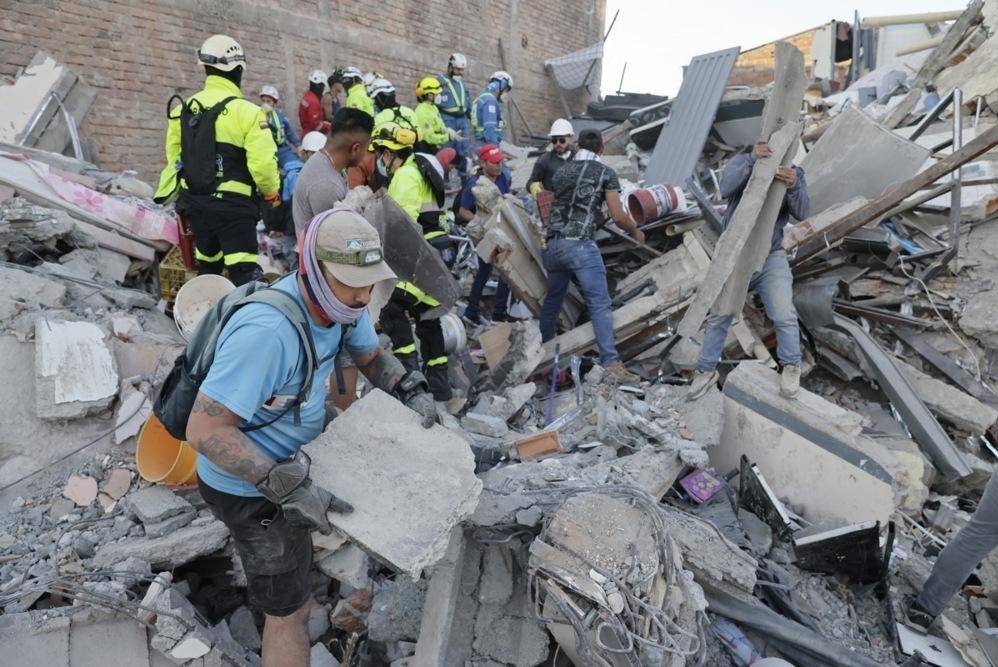
In Pereira and Cali, emergency crews worked through the night with cranes, dogs and heavy machinery as volunteers formed human chains to clear debris by hand, and France 24 reported joy when rescuers pulled out 32-year-old Daniela Largo alive after 35 hours trapped in the rubble of a Pereira hotel.

The Associated Press said rescue crews and civilians searched through rubble Tuesday in hopes of finding survivors trapped under debris after the quake left thousands missing in dozens of cities and towns.
Colombian President Abelardo de la Espriella said the earthquake killed at least 181 people and left 2,595 more injured, while he said at least 195 remained missing, with civilian-run databases suggesting the number could be closer to 4,000.
In Pereira, AP reported that aid agencies consider the first 48 to 72 hours crucial for retrieving people alive, though that threshold can be extended if they have access to food and water.
New president, shifting tolls
As search efforts continued, the BBC said the official death toll remained at 181 while an aggregated figure gathered from local officials put it higher, potentially at more than 240, and it described rescuers working against the clock to free survivors trapped in buildings and under rubble.
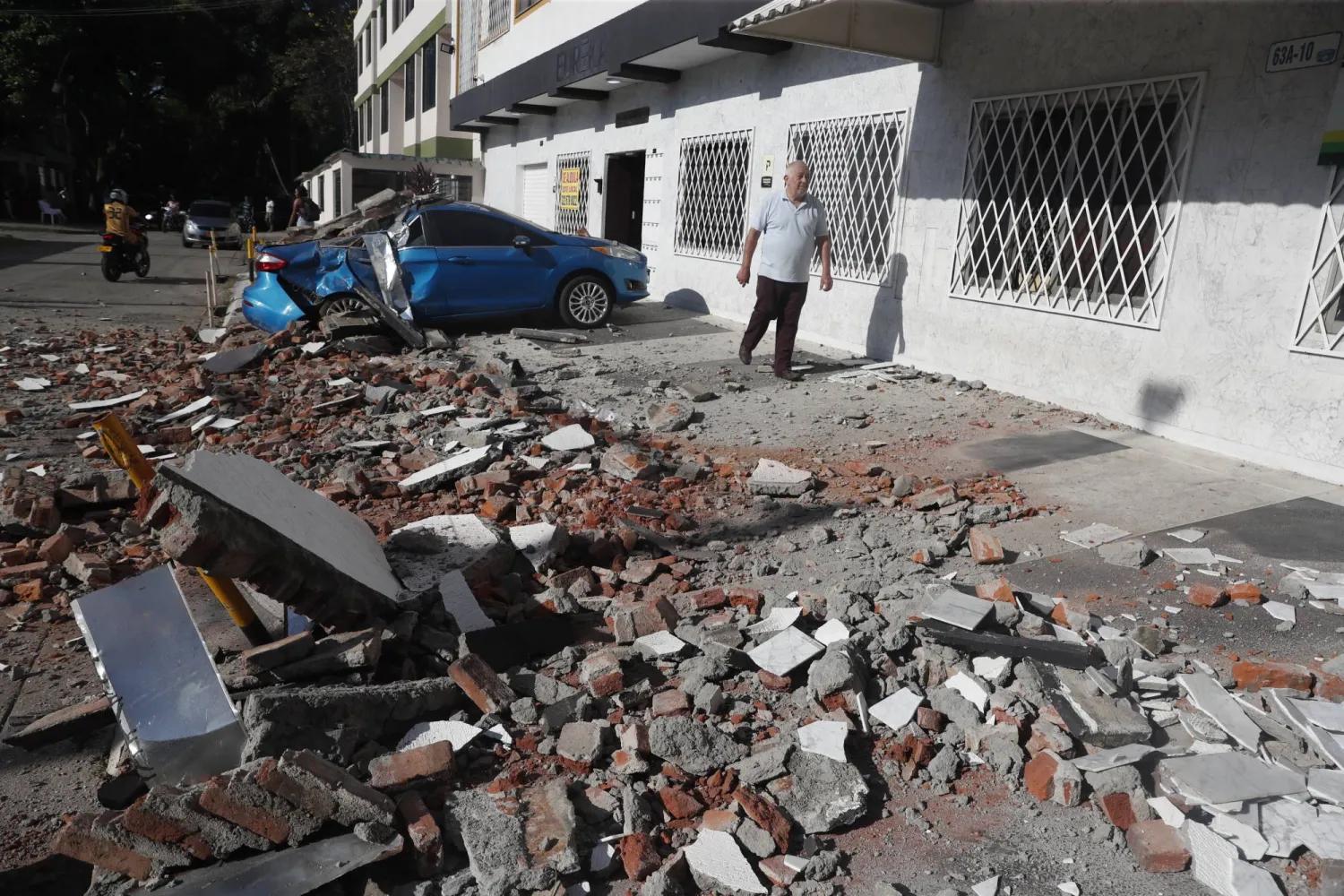
The BBC also reported that President Abelardo de la Espriella, giving an update Tuesday from Pereira, said almost 2,600 had been injured and almost 200 people remained missing, along with more than 1,100 homes destroyed and more than 8,000 damaged.
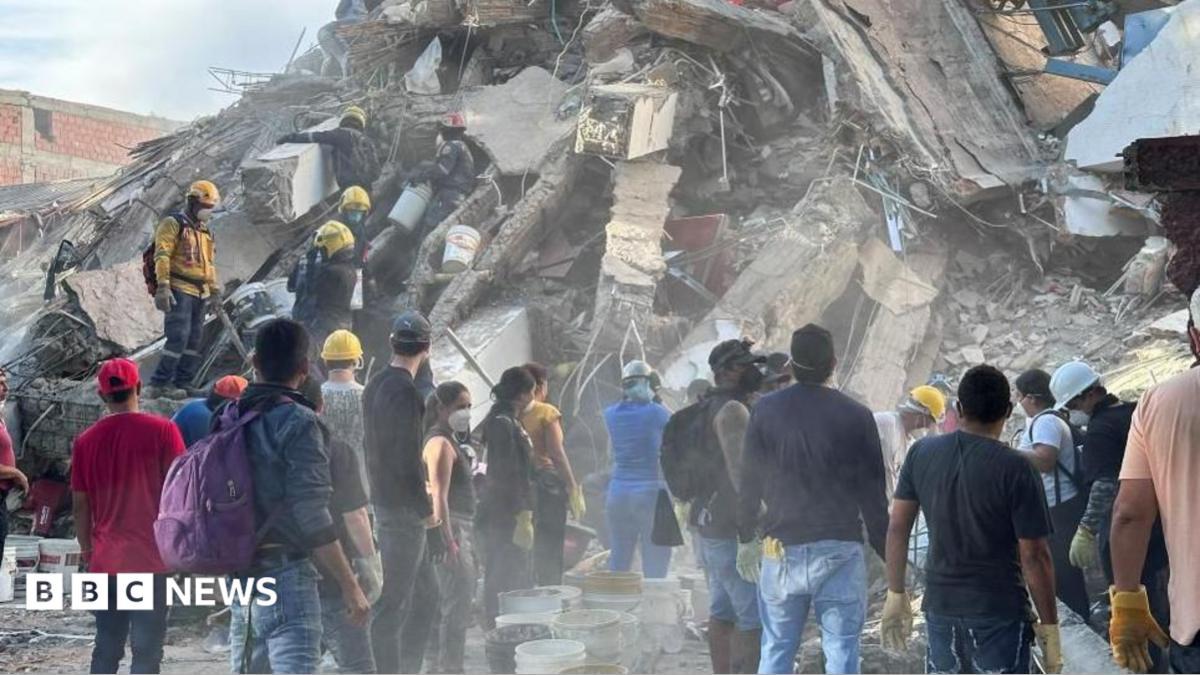
In a separate Reuters account, rescuers dug through rubble in western Colombia on Tuesday and the quake was estimated to have killed at least 250 people, with separate reports from affected cities putting the death toll at 254 on Tuesday morning.
Reuters said challenges in Choco, close to the quake epicenter, included communities still without power or basic services, and it tied the quake to the first major crisis for new President Abelardo De La Espriella, who traveled to the affected regions and promised economic support.
The Associated Press described the earthquake as a test for the first-time officeholder de la Espriella, who entered office just days before the natural disaster, while it reported that local leaders and families worried about casualties and damage in rural areas where very little information has emerged.
Aftershocks, aid, and risk
In Cali, the BBC reported that a unified command post coordinated the rescue effort and that Cali Mayor Alejandro Eder said 239 people remained trapped, with 949 injured and 45 buildings that had completely or partially collapsed.
“ordered a curfew, coming into effect at 20:00 local time”
The BBC also said the mayor ordered a curfew coming into effect at 20:00 local time and lasting until 06:00 on Wednesday morning to combat threats of looting, while it reported that further tremors were felt in Cali on Tuesday and that more than 70 aftershocks had taken place since Monday's earthquake.
In Pereira, the Associated Press said the quake destroyed more than 1,000 homes and yet more damaged, and it reported that President de la Espriella traveled to Quibdo in Choco on Monday night where he announced he was mobilizing "the entire military and police apparatus," along with deploying engineers, rescue workers and search dogs.
The France 24 account said the United States announced $15.5 million in emergency aid, and it reported that messages of support and offers of assistance arrived from around the world.
As rescue and recovery continued, the BBC quoted a UN spokesperson statement that António Guterres "expresses his solidarity with the people and government of Colombia" and said he was working to support the government's response.