Full story
Quake toll and search
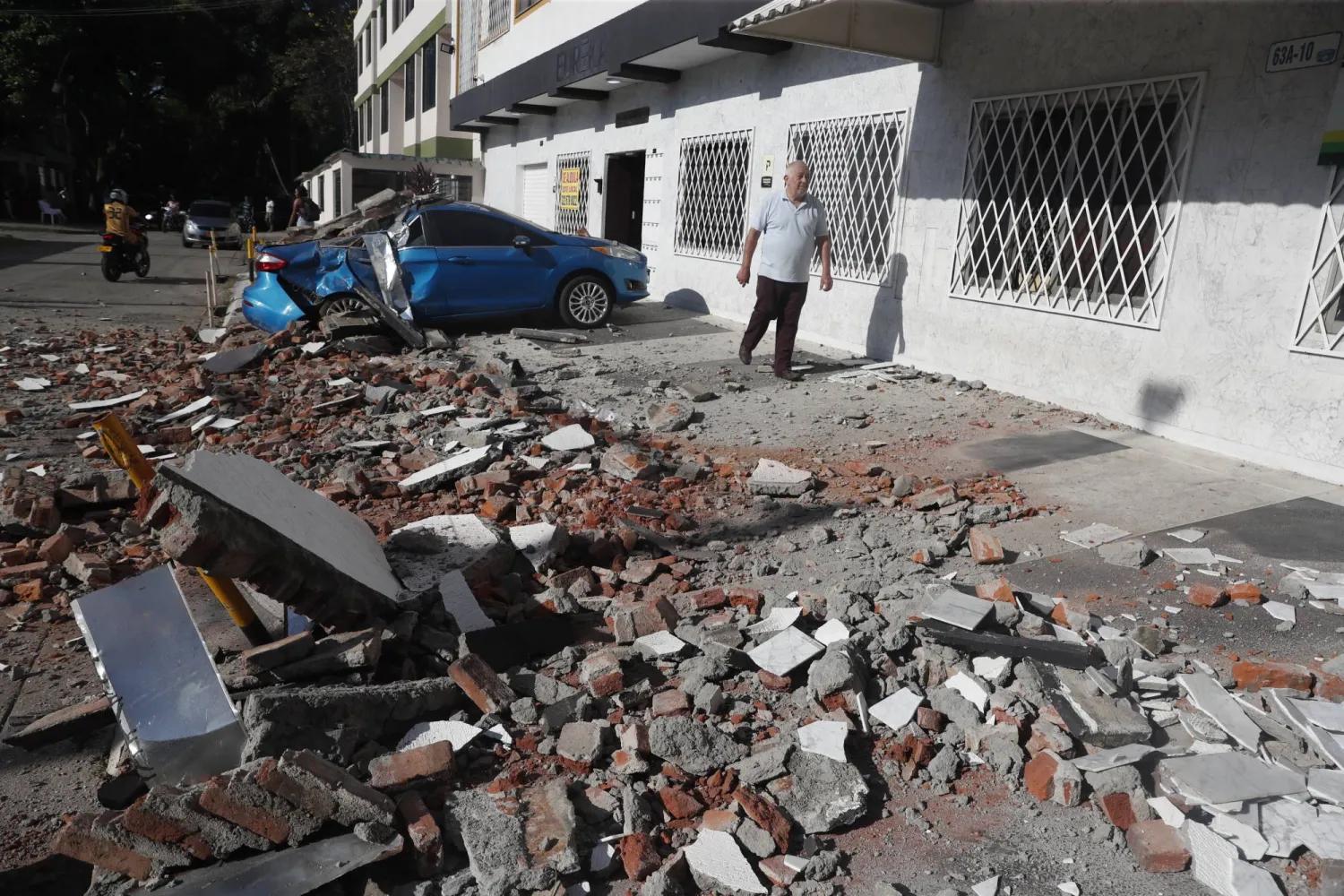
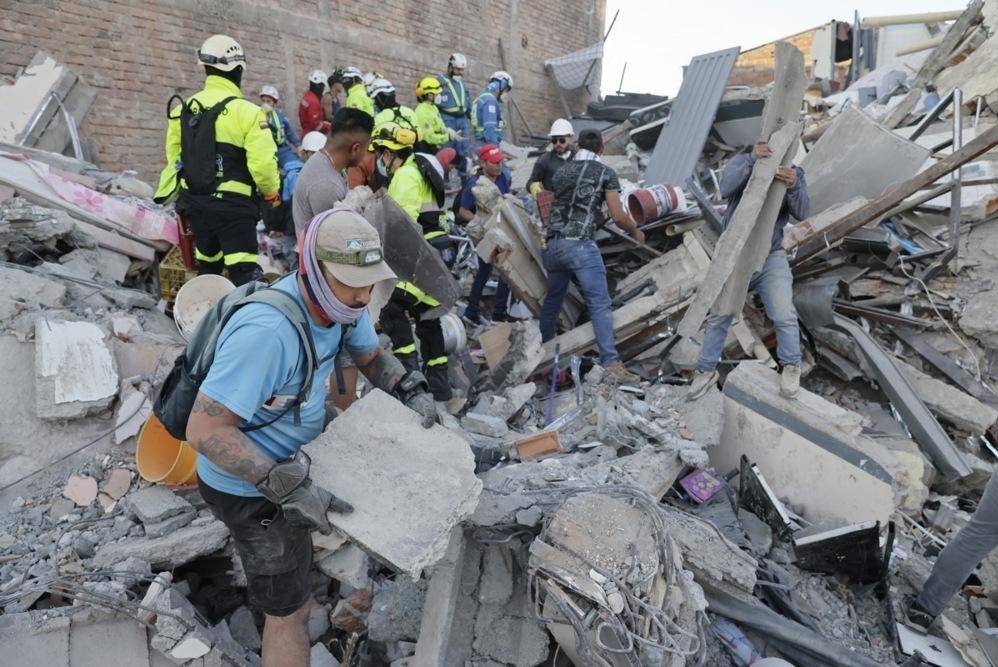
A 7.4-magnitude earthquake in Colombia killed at least 241 people and injured over 1,670 as search teams pushed up against a key time threshold to locate survivors with signs of life.
“The 7.4-magnitude quake has killed at least 241 people and injured over 1,670”
By Tuesday, President Abelardo de la Espriella said the quake had killed at least 181 people and left 2,595 more injured in the west of the country, while he said at least 195 remained missing.
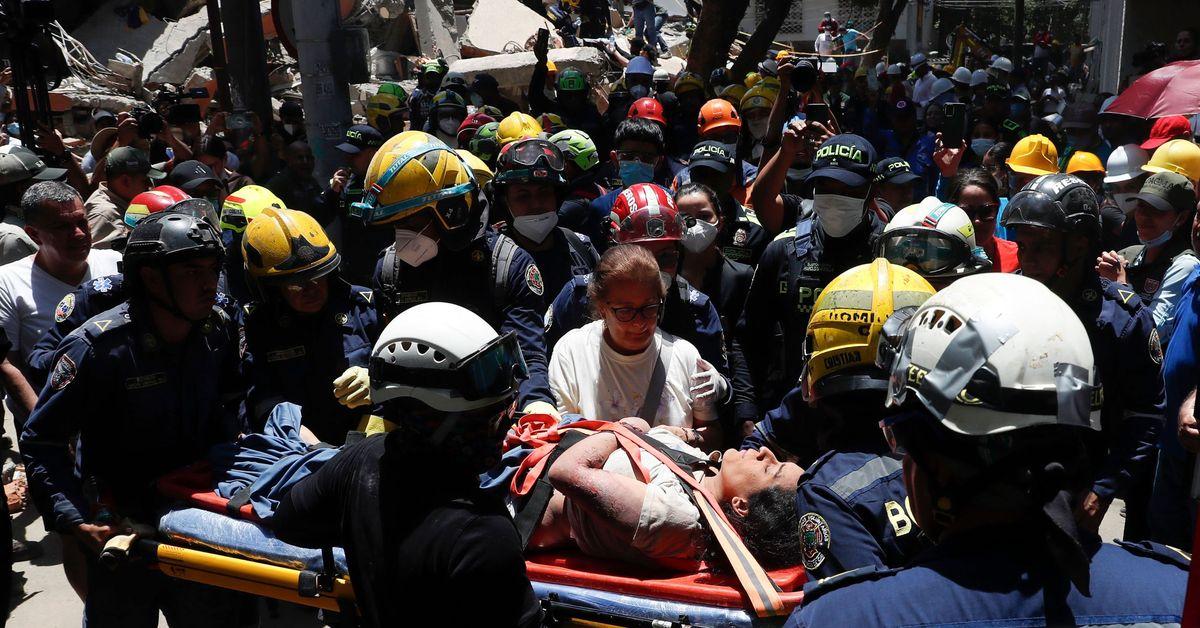
Civilian-run databases put the missing number closer to 4,000, and rescue efforts continued in the hardest-hit cities of Cali, Pereira, Manizales and Quibdo as time ticked away.
In Pereira, the earthquake struck around 7.40 in the morning, and the epicenter was located near the municipality of San José del Palmar in the department of Chocó, about 20 kilometers from that population.
Giovanni Rizzo, Colombia director for the Norwegian Refugee Council, said, “This earthquake compounds an already severe humanitarian situation, and there is a need for increased support for the humanitarian response.”
Competing death counts
As the search continued, the death toll remained in dispute across sources, with SBS saying the quake had killed at least 181 people by Tuesday while La Nación reported that a new official update raised the number of victims to 287.
SBS also reported that de la Espriella said at least 195 remained missing, while civilian-run databases put that number closer to 4,000, and La Nación reported 280 disappeared in its official part.

In Cali, the BBC-style account in the Reuters material described rescue crews digging through rubble while shouting for quiet so they could listen for survivors still trapped under collapsed buildings.
In Pereira, UPI reported that the Colombian Association of Capital Cities said at least 243 buildings collapsed in capital cities alone, while it also said the death toll could rise as rescue crews continued searching damaged and collapsed structures.
The Reuters report quoted Sergeant Camilo Cano of the Bogota Fire Department saying, “We still have hope, until we have at least four days have passed since the quake.”
Aid, emergency powers, and risks
The emergency response included international pledges, with SBS reporting that the US pledged $22 million in emergency aid and that Mexico’s president said she is prepared to send hundreds of search and health workers, tons of health supplies and other equipment.
““Our prayers are with the families of the victims, the wounded and all the Colombian people,” Bukele wrote on X.”
SBS also reported that on Tuesday afternoon Salvadoran President Nayib Bukele said his country would send two planes loaded with 100 tons of aid in the coming days, and it quoted him on X: “Our prayers are with the families of the victims, the wounded and all the Colombian people,”.
Domestically, La Nación said President Abelardo De la Espriella declared a state of disaster national and decreed three days of national mourning, with flags at half-mast in public buildings and in Colombian embassies and consulates abroad.
La Nación also described the scale of damage and disruption, including warnings about the collapse of a hundred buildings, people trapped among the rubble, and significant damage to hospitals, schools and airports.
SBS quoted María José Torres, the U.N. resident coordinator in Colombia, saying, “We have a presence on the ground. Therefore, our ability to be there, present with the people, I think, has increased exponentially,” as aid organizations worked in conflict-torn centers.