Global Politicsupdated 3h ago3 min read
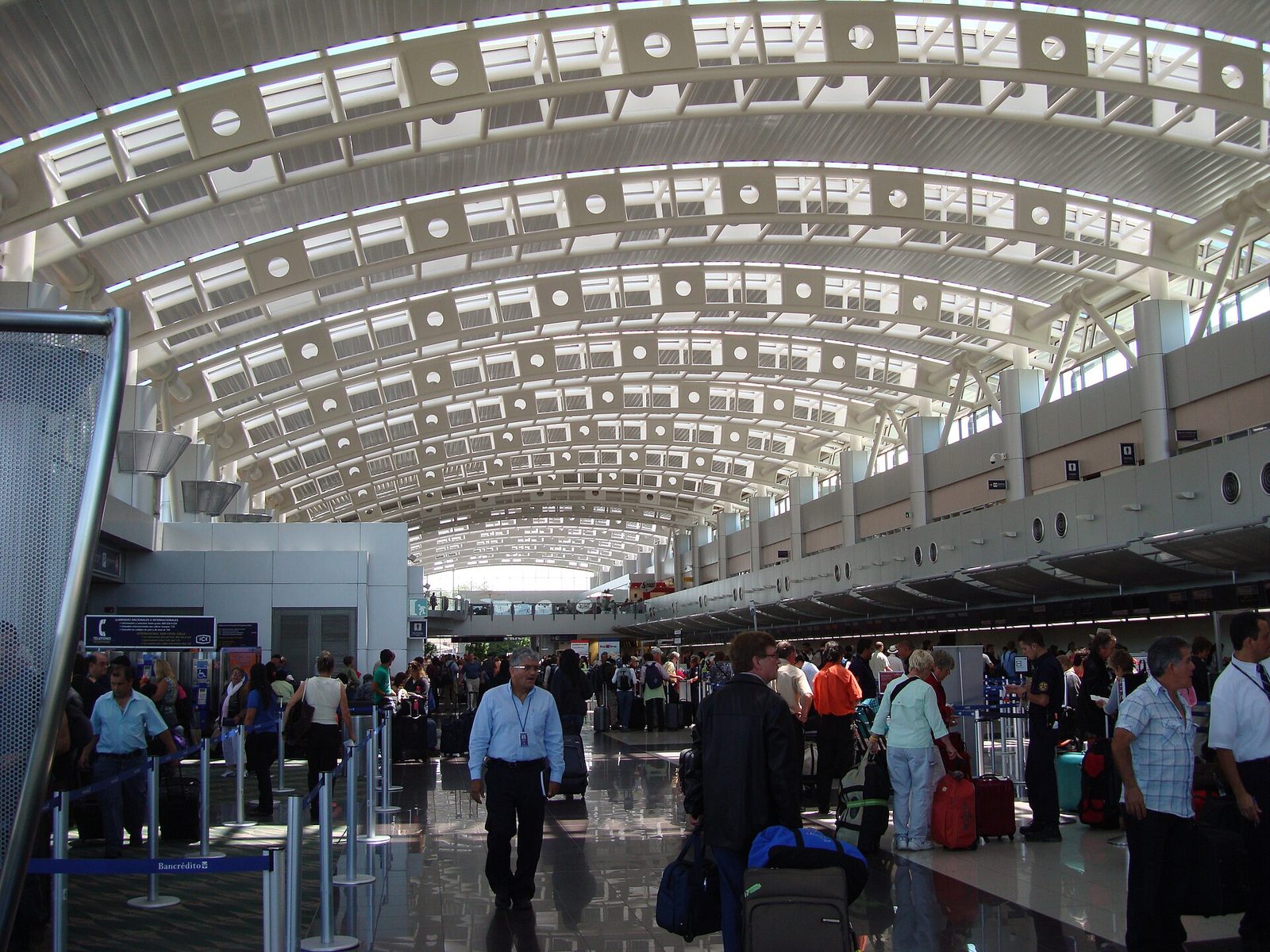
Archive photo · 13 March 2012Costa Rica Refuses Entry to UN Rapporteur Francesca Albanese Over Alleged Terror Links
8 Western Mainstream7 Other7 West Asian9 Other source typesPhoto: Eric T Gunther, CC BY-SA 3.0 · Cropped for layout
This article is an automated aggregation of coverage from news outlets. Our editorials offer in-depth analysis curated by the NewsCord team.
Costa Rica denied entry to UN Special Rapporteur Francesca Albanese citing an international alert. She was detained at Juan Santamaria International Airport upon arrival.
Save coverage image
Entry denied at San José
Costa Rica barred UN Special Rapporteur on the Occupied Palestinian Territories Francesca Albanese from entering the country, with immigration director Omer Badilla saying she “was refused entry to the country because she is the subject of an international alert due to links to terrorist acts”. Albanese told local media that her detention was “a disgrace” and “appalling” after she was halted and held at Juan Santamaria International Airport while traveling to receive an honorary doctorate from the University of Costa Rica. Costa Rican President Laura Fernandez, a close ally of US President Donald Trump, pursued closer trade ties with Israel since she took office in May, according to the account of the episode.
Danny Danon, Israel’s ambassador to the UN, praised Costa Rica on social media after the refusal of entry, writing that those who “exploit their UN mandate to spread vile propaganda” should face consequences. The University of Costa Rica said Albanese was scheduled to receive the honorary doctorate after her arrival at the airport serving the capital San José.
Court order and Albanese response
Albanese rejected the accusations of links to terrorism and demanded that Costa Rican authorities provide evidence or issue apologies, telling Costa Rican media Delfino.cr from the airport, “They must prove it or withdraw their accusations and apologize”.
The Constitutional Court issued a provisional order prohibiting authorities from forcibly expelling Albanese while a decision is pending on a habeas corpus petition filed on her behalf, and it ordered immigration services to submit, within 24 hours, an affidavit explaining their actions.
Albanese also accused Costa Rican authorities of attempting to forcibly return her to France against her will, while the University of Costa Rica urged immigration authorities and the Ministry of Foreign Affairs to clarify the legal grounds for the decision.
Badilla said the Professional Migration Police applied a denial of entry based on a “valid international alert” for links to terrorist acts, and he said police authorities execute “verbatim what our legal system indicates” when national security is compromised.
José Miguel Villalobos condemned the government’s decision, saying, “I don’t want to hear from Ms. Albanese, but I defend her right to come in and say what I don’t want to hear, because that is tolerance.”
Sanctions, Israel, and diplomatic fallout
The United States imposed sanctions on Albanese after she criticised Washington’s policy on Gaza, and the account of the episode links the refusal of entry to the same broader pressure described by multiple outlets. Danny Danon welcomed Costa Rica’s decision, writing, “Those who exploit their UN mandate to spread vile propaganda, legitimize terrorist organizations, desecrate the memory of the six million Jews murdered in the Holocaust, and relentlessly vilify the US and Israel should face consequences,” while Albanese wrote on social media about “the face of the empire”. The University of Costa Rica said immigration authorities were “blocking” Albanese’s entry and asked the government to explain the decision, while the rector’s office described the move as “very regrettable”.
The Constitutional Court’s precautionary order suspended any expulsion of Albanese until the Government provides an explanation for the measure within the next 24 hours as part of the habeas corpus procedure. The dispute also unfolded alongside Costa Rica’s alignment with Israel and the United States in international forums, with the account noting that Costa Rica had declared Hamas a terrorist organization in April and that it was processing a bilateral free-trade agreement with Israel in the Legislative Assembly.