Iranupdated 14m ago3 min read
MapIran’s Gharibabadi Says Chemical Weapons Are Unjustifiable, Urges OPCW Support
6 West Asian1 Western AlternativeMap: © OpenStreetMap contributors, ODbL · Cropped for layout
This article is an automated aggregation of coverage from news outlets. Our editorials offer in-depth analysis curated by the NewsCord team.
Chemical weapons are unjustifiable under any circumstances, says Iran's Gharibabadi at OPCW conference Iran says it is the world's biggest victim of chemical weapons and seeks stronger consensus
Save coverage image
7 outlets in this story. Read their headlines below.
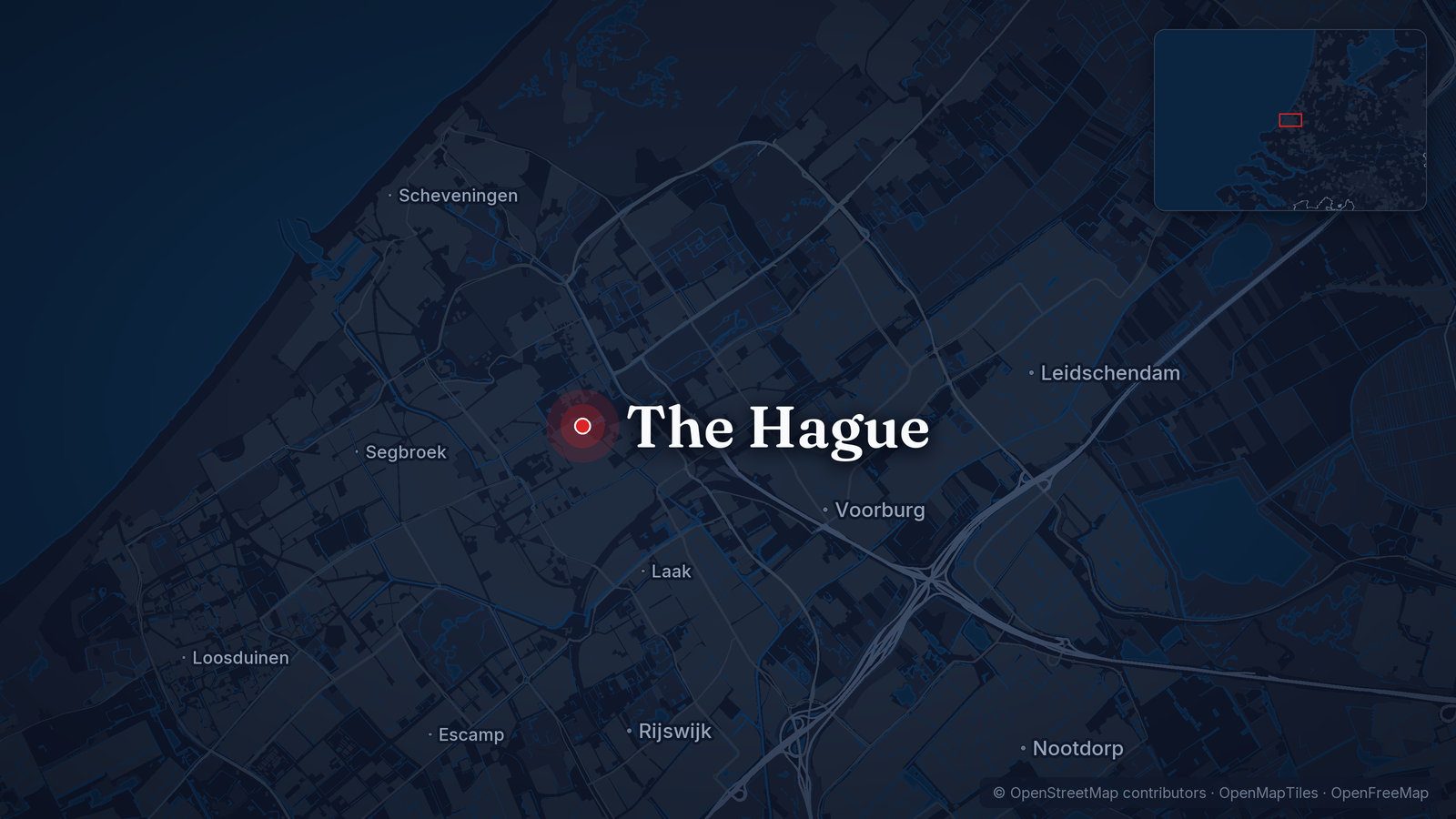
OPCW conference in The Hague
Iran’s Deputy Foreign Minister for Legal and International Affairs Kazem Gharibabadi told a conference on the prohibition of chemical weapons in the Netherlands that chemical weapons are unjustifiable under all circumstances. Gharibabadi said he was in The Hague to attend the 31st annual conference of the OPCW Conference of the States Parties and that he met the organisation’s Director-General, Sabrina Dallafiore Matera, to outline Iran’s positions and demands regarding the Chemical Weapons Convention. Gharibabadi described Iran as the largest victim of chemical weapons in contemporary history, saying chemical attacks against the country had left approximately 13,000 people killed and 100,000 wounded.
Gharibabadi also said unilateral sanctions were a major obstacle to providing chemical weapons victims with access to medicines and medical equipment, and he urged the OPCW to pay particular attention to their needs and fulfil its international responsibilities towards them. Gharibabadi added that Iran had organised 11 international training courses to treat chemical weapons victims and called on the OPCW director-general to support Iran’s candidate for membership in the Scientific Advisory Board and facilitate the recruitment of qualified Iranian experts to the organisation’s Technical Secretariat.
Attacks, sanctions, and accountability
Gharibabadi told the OPCW that US and Israeli attacks on Iranian chemical facilities were a clear violation of international law and he called on the organisation to take a clear position and investigate the technical, humanitarian and environmental consequences of the attacks. Gharibabadi said several of Iran’s declared chemical facilities, which were subject to the organisation’s inspections, as well as facilities adjacent to the country’s designated laboratory, had sustained damage during the attacks. Gharibabadi also argued that unilateral sanctions and financial and trade restrictions by the United States created obstacles and difficulties to securing vital medicines, medical equipment, and pharmaceutical raw materials.
Gharibabadi said Iran did not start the war, but exercised its right to legitimate defense against attacks on its territory and national interests, and he added that the Iranian people love peace but do not accept peace based on surrender and intimidation. Gharibabadi urged the OPCW to preserve the independence, impartiality and transparency of the Technical Secretariat while it examined the attacks, and he called for a clear stance on Iran’s initiative to prohibit attacks on chemical facilities during armed conflicts.
Saddam-era accusations and regional concerns
Gharibabadi accused countries that allegedly helped supply Saddam Hussein’s Iraqi government with chemical weapons during the Iran-Iraq War of now making similar accusations against Tehran. Gharibabadi said more than 16 countries had assisted Saddam Hussein’s government in acquiring chemical weapons, citing documents published by the OPCW approximately 15 years ago, and he said the countries involved included the United States and Germany. Gharibabadi said, “Iran demands justice regarding all these countries and the companies involved,” and he criticised the United States over its historical chemical weapons stockpile, including a claim that Washington had been required to complete destruction by 2010 but announced elimination only after a lengthy delay.
Gharibabadi also expressed concern over reports of the Israeli regime’s use of chemical substances against civilians in the occupied Palestinian territories, calling for immediate investigations and the provision of necessary assistance and protection to the Palestinian people. The OPCW Director-General said a joint training course on treating chemical injuries would be organised when conditions permit, and she expressed interest in visiting Iran at an appropriate opportunity.