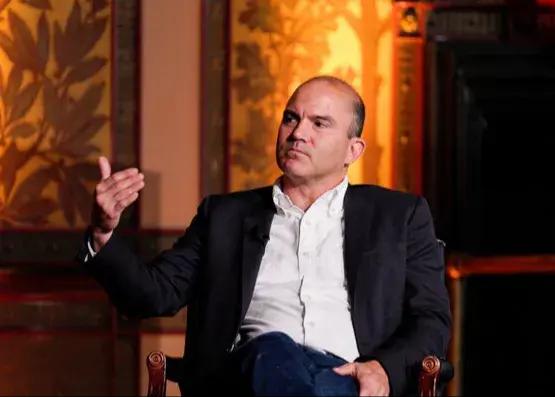
Full story
Rhodes, Iran, and the deal
A thirty-page article in The New York Times Magazine by David Samuels sparked controversy after it was described as being written using information whose source is Ben Rhodes, the deputy national security adviser for strategic communications and the drafter of the president’s speeches.
“Fareed speaks with Obama's former Deputy National Security Adviser Ben Rhodes about what recent US administrations have gotten right — and wrong — on Iran”
The account says the article states that Rhodes is the principal author of the president's speech texts and that he organizes the president’s travel schedule and runs strategic communications in the White House.

The same source frames the Obama administration’s interest in “a new reality” in Iran as politically significant because it would bolster support for closer engagement with Iran.
It also says Samuels’s account accuses Barack Obama of shaping the “story” of the nuclear deal with Iran so that negotiations began in 2013, while “the reality points to talks beginning in mid-2012.”
Ceasefire reaction on X
Ben Rhodes reacted to a ceasefire agreement between the United States and Iran by posting a note on the social network X (formerly Twitter), writing: "A defeat in a war this short and this wide is hard."
Varzesh3, citing ISNA, said the remarks indicate that Washington, despite the ceasefire agreement, has been a short-term strategic loser in this conflict.
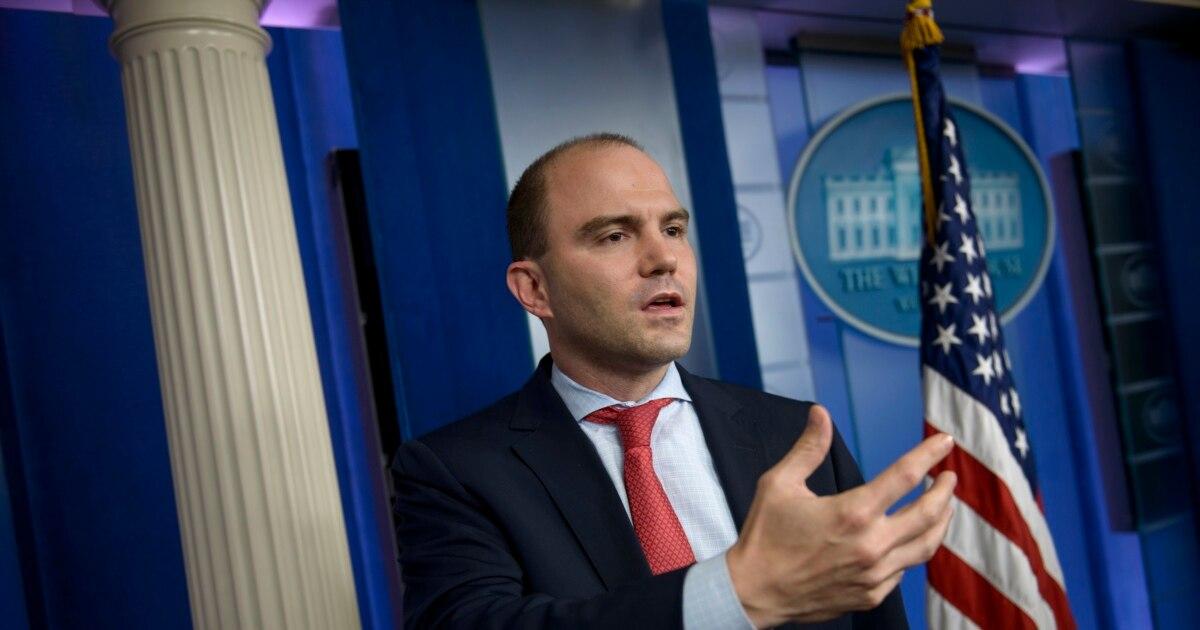
The same report says senior officials from the European Union, Germany, Britain, India, and Saudi Arabia welcomed the two-week ceasefire agreement.
It adds that Rhodes’s tone suggests that within the U.S. political establishment, this ceasefire is not seen as a victory, but as a comprehensive strategic defeat.
Competing narratives and influence
The Radio Farda account says Samuels quotes Ben Rhodes as saying that on January 12, a few hours before the last State of the Union address, he had lunch with the president and reviewed the notes prepared for that day’s speech.
“According to Varzesh3, citing ISNA, Ben Rhodes, who during Barack Obama's presidency was one of the most influential figures in U”
It also says the article describes Rhodes learning quickly about “the detention of two small boats and ten American sailors in the Persian Gulf” and trying to push it away from the main news line so the president’s speech could proceed.
The same source argues that Samuels’s emphasis on “Ben Rhodes” is not very credible, saying that since 1947 the National Security Council’s composition, size, and advisers have undergone fundamental changes.
Separately, the CNN item presents Ben Rhodes as discussing “America’s various approaches to Iran,” in a segment titled “On GPS: Ben Rhodes on America’s various approaches to Iran.”