Ukraine War02 October, 20263 min read
Dmitry Peskov Says Russia Will Make Ukraine Pay For Black Sea Attacks
This article is an automated aggregation of coverage from news outlets. Our editorials offer in-depth analysis curated by the NewsCord team.
Russia says Ukraine will pay consequences and seeks to disrupt Black Sea supply routes. Kremlin aims to cut Kyiv's military equipment and fuel shipments by sea.
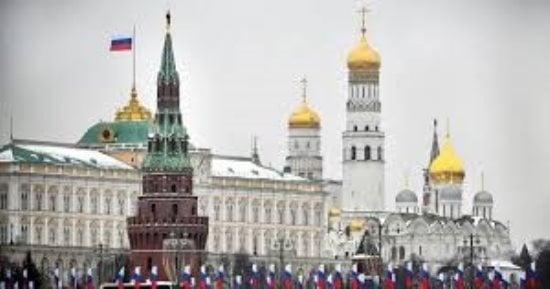
8 outlets told this the same way.
Black Sea blockade threat
Kremlin spokesperson Dmitry Peskov said Ukraine must “pay a price for this. It has paid it already and will continue to do so,” as Russia argued that Ukraine will face consequences for its recent attacks in the Black Sea.
“Ukraine must pay a price for this. It has paid it already and will continue to do so.”
Peskov said Russia’s main objective is the “total disruption of maritime routes intended to supply military materiel to the Ukrainian forces,” and he stressed the importance of completely preventing the passage of “military equipment, ammunition, fuel, and other materials” to Ukrainian armed forces via the sea.
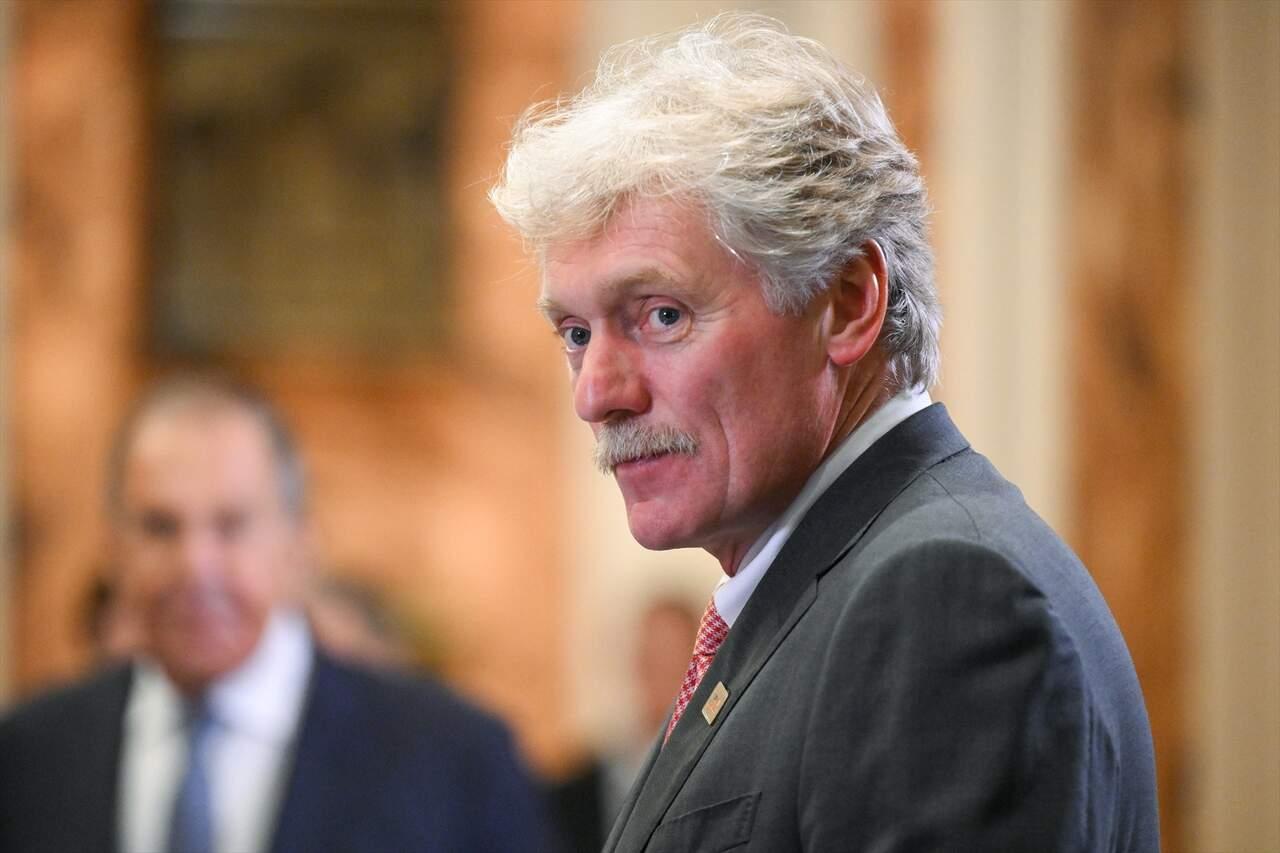
Peskov also said a joint proposal by Turkey and the United Nations to establish a ceasefire in the Black Sea has no precise details and that the “Kiev regime shows no inclination toward any type of exhaustive agreement.”
Peskov added that Vladimir Putin insists that “a ceasefire is not needed, peace is needed” to stabilize the region.
Ukraine’s maritime situation meanwhile remained dangerous for patrols from the Ukrainian Black Sea port of Chornomorsk, where Mykola Lupar said, “It’s very dangerous. For the merchant fleet, I would say there’s almost no chance to stay safe in our waters.”
Drones, strikes, and grain
Mykola Lupar described Russian jet-powered drones launched from Crimea as a threat to navy patrols, and he said his crew is “trying to find some windows in time between Russian attacks to patrol, to search for mines and some explosive materials.”
Ambrey, a British-based firm specializing in global maritime risk, said there were more than 210 strikes on commercial vessels between July and the end of September, attributing 125 to Ukraine and 88 to Russia.

Dmytro Barinov, president of the Ukrainian Ports Association, warned that the problem extends beyond Ukraine, saying, “It’s not only a Ukrainian problem. This is a problem for the whole region,” as attacks eroded export capacity and raised concerns about global grain supply.
The CBC account tied the shipping disruption to global grain pressure, noting that Russia and Ukraine account for roughly a quarter of the world’s wheat exports and that analysts estimate their combined exports are down 60 per cent from last year.
In a separate account of the fighting, Volodímir Zelenski announced the “destruction of objectives” in the Black Sea and in Oriol, Samara and Briansk, saying, “Today there are also important results. An objective has been reached in the Black Sea.”
Negotiations, energy ports, fallout
Kremlin statements framed Russia’s moves as a response to Ukrainian actions, with Peskov saying Moscow’s movements are a direct response to actions initiated by Ukraine and that partial agreements are insufficient for a peaceful solution. Peskov said the Kremlin insists on pacts that cover the entirety of the conflict, and he reiterated that Russia is open to negotiations while calling the Black Sea situation “exceptional.” In Ukraine, the Russian Defense Ministry announced that it intercepted and destroyed 646 Ukrainian drones over about 12 hours, and it said the interceptions took place over the Republic of Crimea and over the waters of the Black Sea and the Sea of Azov.
The Russian Defense Ministry also said its nighttime strikes included “targeting a bridge for car and rail traffic over the Dnipro River in Kyiv,” and it added that the strikes hit “a substation in the Kyiv region, as well as an industrial complex inside the Ismail port in the Odesa region.” The CBC account connected the maritime pressure to food prices and warned that attacks on shipping and ports were already leading to a rise in global wheat prices that could spike further, while the Lloyd’s List report linked disrupted grain routes to UN warnings about constrained maritime trade and rising freight costs contributing to agricultural inflation.