Ukraine War09 October, 20263 min read
Russian Attacks Plunge Kyiv Into Near-Total Darkness, Disrupt Metro And Water Supplies
This article is an automated aggregation of coverage from news outlets. Our editorials offer in-depth analysis curated by the NewsCord team.
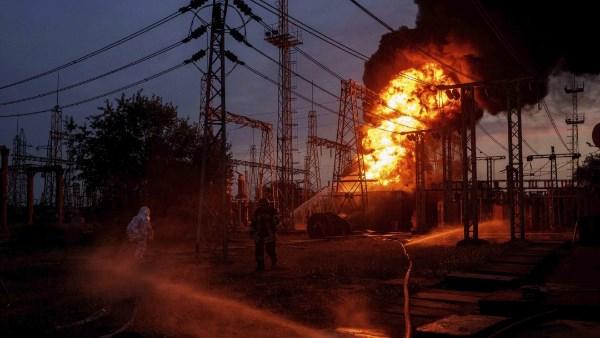
Russian strikes damaged Kyiv energy infrastructure, causing widespread power outages. Water pressure dropped and outages affected multiple Kyiv districts.
Kyiv’s grid hit
Russian attacks on Ukraine’s energy infrastructure plunged Kyiv into widespread power outages, disrupting metro service and water supplies after an attack on “one of the city’s important energy facilities,” Energy Minister Denys Shmyhal said.
The city metro shut down due to lack of electricity, and residents also reported a lack of running water.

Ukrenergo announced that limits to electricity consumption would be placed on certain regions of Ukraine on Oct. 9 due to the Oct. 8 attack, and DTEK introduced emergency power cuts on Kyiv’s right bank and in the Bucha and Vyshhorod districts of Kyiv Oblast on Ukrenergo’s orders.
The Kyiv Independent said its reporters observed power cuts in Podil, Pechersk, Solomianskyi districts, and on the left bank on Oct. 8, while electricity had been restored in parts of the right bank by 12:30 a.m. local time on Oct. 9.
EL PAÍS said the damage to Kiev’s energy infrastructure forced authorities to carry out some power and water supply cuts and to disrupt public transport, with generator engines roaring in the streets and pedestrians relying on their mobile phone flashlights after nightfall.
Officials and limits
Deputy Energy Minister Artëm Nykrasov said via the Telegram app that Russian shelling led to a drop in voltage on the high-voltage grid, causing pumping stations to halt in several areas of the capital. The drop in voltage temporarily halted Kyiv Metro train services and escalator operations, and the city administration warned that residents on the right bank could experience interruptions in water supply because lower voltage reduced pressure in the system. EL PAÍS said President Volodymyr Zelensky accused the Ministry of Infrastructure and the Regional Administrations of not timely developing the resilience plan that was planned, and it quoted Zelensky saying, “The slowdown of the work is absolutely unacceptable.”
Prensa Latina reported that Mayor Vitali Klichkó said he had no intention of declaring a total evacuation, even though he described it as a phase of “survival.” The Kyiv Independent reported that by 9 p.m. local time pumping equipment was reactivated, though the city said it would take “some time” to fully restore normal water pressure throughout the entire network.
Wider impact and next steps
Ukrainian authorities said Russian strikes killed at least 34 people, including an attack on a bus in Kramatorsk, and they said the attacks caused widespread damage to energy infrastructure and disruption of water supplies in parts of the capital. The drone attack continued and Ukrenergo wrote that, as a result of Russian shelling, elements of the electrical network had been turned off, causing power outages in some areas of Kyiv. EL PAÍS said the outages posed an additional obstacle for citizens already living amid missiles and drones and said the first planned power cuts had officially begun in Kyiv since Wednesday.
The city administration warned that residents on the right bank could experience interruptions in water supply because lower voltage had reduced pressure in the system, and it described heavy traffic and people hailing taxis as commuters sought alternative transportation. EL PAÍS said one of the Kremlin’s objectives was to make winter unbearable for the Ukrainian population, and it said the city’s challenge since Russia launched its large invasion of Ukraine in February 2022 was to maintain electricity, water, and heating services, especially during the harsh winter journey.