Ukraine War09 October, 20263 min read
Russian Strikes Intensify as Kyiv Residents Pack Bags and Flee Ahead of Winter
This article is an automated aggregation of coverage from news outlets. Our editorials offer in-depth analysis curated by the NewsCord team.
Russian drone and missile strikes intensify as winter approaches in Kyiv, forcing residents to flee. Attacks damage energy infrastructure, killing civilians and worsening civilian hardship ahead of winter.

6 outlets told this the same way.
Kyiv braces for winter
Ukrainians in Kyiv are packing bags and leaving their flats as Russia's attacks on Ukraine's cities intensify and autumn's cooler temperatures hint at another tough winter to come. Mariia Shostak said, "Everything changed in late August and the beginning of September, when Kyiv started being attacked around the clock," and she described drones and missiles that were once intercepted on the outskirts as now happening "in the centre, right above our heads." Kyiv mayor Vitaly Klitschko said the city was facing a "very dramatic situation" after weeks of escalating Russian attacks that by the end of September had included petrol stations, power plants and key bridges over the Dnipro river.
Mariia said she plans to spend the winter in Hurghada, on Egypt's Red Sea coast, and she added, "I don't feel safe in Ukraine in any way." Iryna said her three-year-old daughter Polina had struggled when the family had "heating for weeks and the temperature inside the apartment was zero or five degrees," and she said, "So being here with a little child that is sick all the time was not OK."
A blueprint for cold
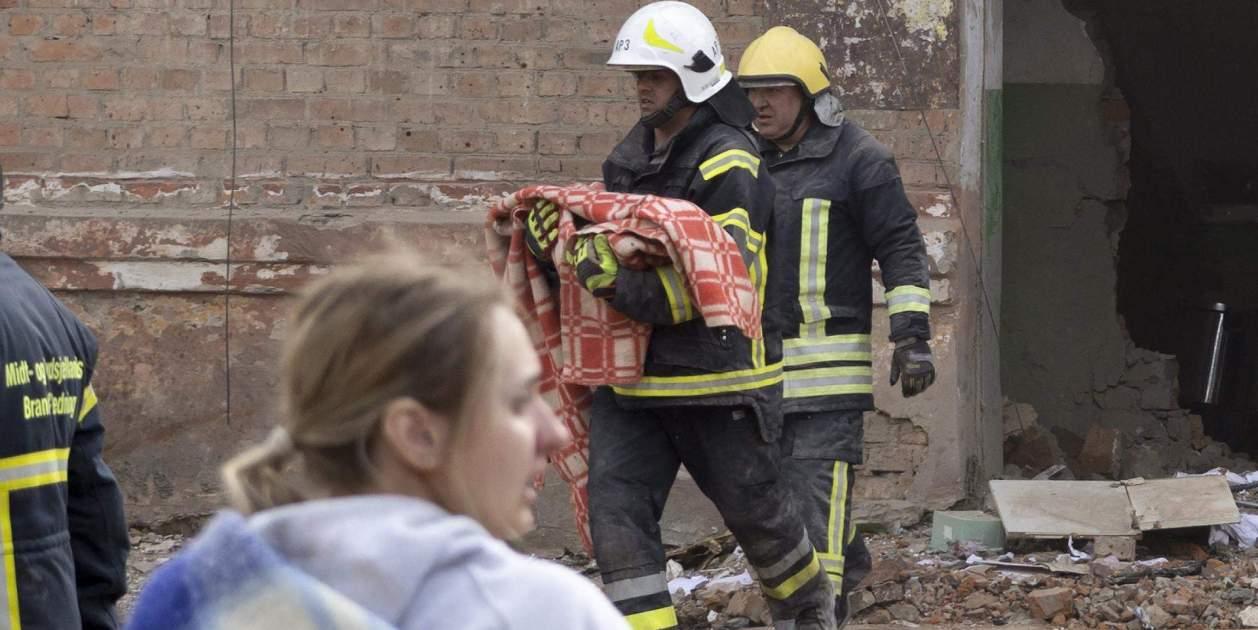
Russia hammered Kyiv and the surrounding region with what Ukrainian Prime Minister Serhiy Koretskiy said was the most massive attack on energy infrastructure in the area since 2025 on September 30, and officials said a child was found dead under the rubble of a home outside the capital. Schemes, the investigative unit of RFE/RL’s Ukrainian Service, obtained a copy of a Russian-language document that sets out a potential blueprint for a campaign to sharply cut supplies of power, heat, and water. Denys Shmyhal said in a Telegram post on September 17, "I briefed our partners on Russia's plans to strike energy infrastructure, based on information provided by Ukrainian intelligence," and he later told national television that the documents were drafted in a "very cold, precise manner."
The document identifies four "priority goals" including power generation and supply, water supply, sewage systems, and heating, and it assesses how many missiles, drones, and bombs Russia would need to cut power in Kyiv, Kharkiv, and Odesa by as much as 90 percent. Kremlin spokesman Dmitry Peskov suggested in early October that Russia would step up strikes on Ukrainian infrastructure, casting Russian attacks as "retribution" for Kyiv’s hits on Russian energy and logistics facilities.
Black Sea and winter stakes
Turkey’s Foreign Minister Hakan Fidan said on Thursday that intensifying attacks by Russia and Ukraine ahead of the winter were further endangering navigational safety in the Black Sea, and he warned that world powers must not allow the region to be turned into a new front in the war. Fidan said, "At the moment, both sides are engaged in tremendous attacks to establish some sort of military superiority over each other before we go into winter, and this seriously impacts navigational safety in the Black Sea," and he added, "we must never allow the Black Sea to be turned into a new front for conflict." Reuters reported that American and Russian officials discussed possible deals related to the Nord Stream gas pipelines and the return of Russian gas to the European market, and the report said there is no agreement to restart them and Germany and other European countries oppose it.
The same Reuters account described Turkey as awaiting responses to a proposal it conveyed to Russia and Ukraine aimed at stopping the attacks and ensuring the safe shipment of grain from the region. The stakes for Ukraine’s winter preparations are reflected in the BBC’s accounts of families dealing with sub-zero temperatures and frequent power cuts, and in the RFE/RL description of a plan to target power generation and supply, water supply, sewage systems, and heating.