Syriaupdated 46m ago3 min read
DNA Tests Identify Remains of Missing Syrians in Raqqa After National Commission Matches
This article is an automated aggregation of coverage from news outlets. Our editorials offer in-depth analysis curated by the NewsCord team.
DNA tests identified remains of three missing Syrians this year, first such identifications in Syria. National Commission for the Missing completed two identifications; third conducted by a Syrian NGO.
Explore source coverage 2 source types
Directory totals describe our source library, not outlets checked for this story.
5 outlets told this the same way.
DNA tests bring answers
DNA tests have identified the remains of missing people in at least three cases in Syria this year, with the National Commission for the Missing completing two identifications and a third case carried out by Syrian and international non-governmental organizations using genetic analysis.
The National Commission for the Missing confirmed that it “managed to achieve final identifications in two cases through DNA matching,” after an advisory review by experts from the International Committee of the Red Cross, and it informed the families of the results.
The identifications followed the National Commission for the Missing beginning institutional handling of the missing file on May 17, 2025, with Decree No. 19 establishing the commission chaired by Mohammad Rida Jalkhi.
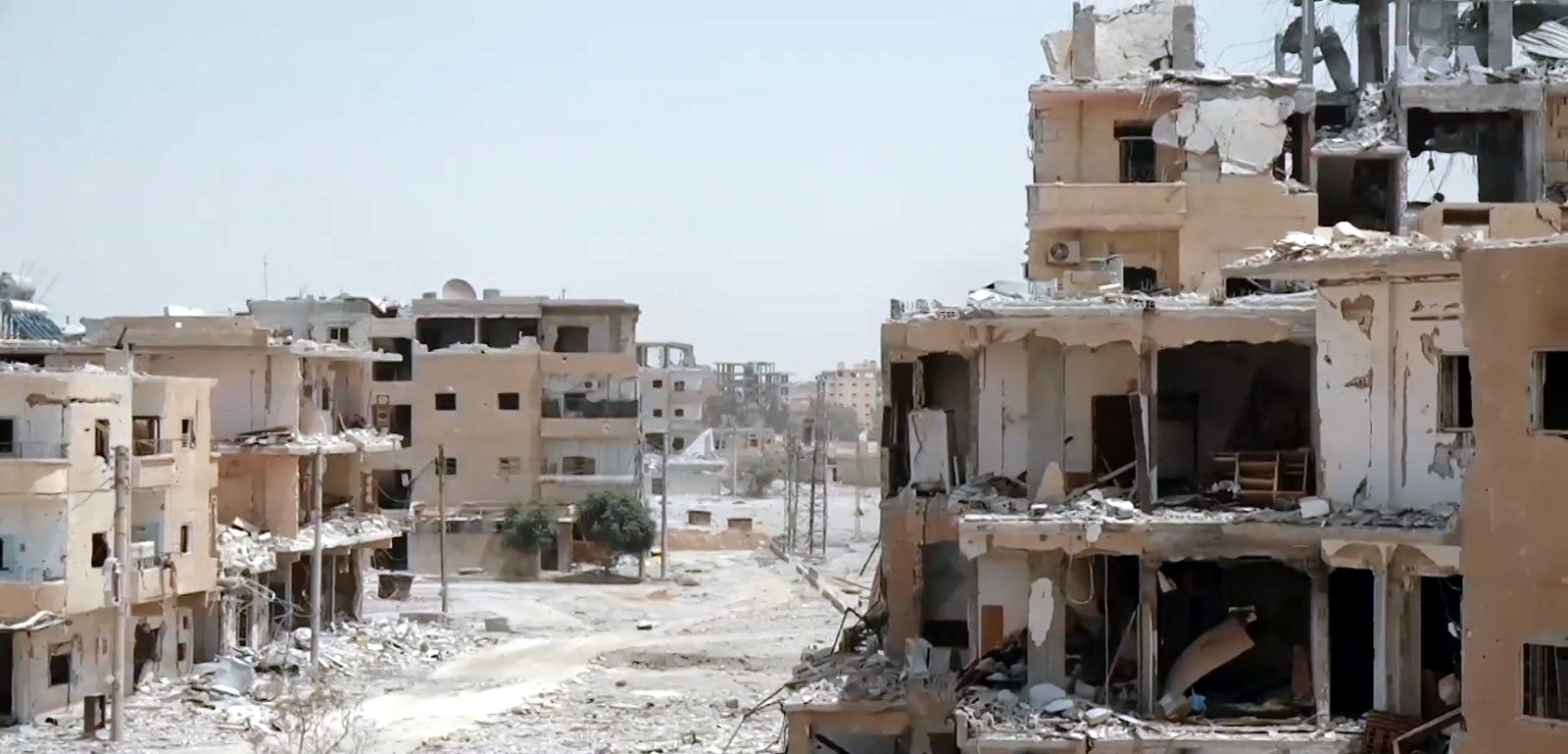
The Raqqa case centered on Manar and seven relatives who were taking shelter from airstrikes in August 2017 on the first floor of a building in central Raqqa, after which the family lost contact and later decomposed remains were recovered in 2024.
Mohammed al-Abdullah, director of the Syrian Center for Justice and Accountability, said the result “raises family expectations because it shows what is actually possible.”
Raqqa family, September 2026
Investigators traced the Raqqa family after satellite images showed the building became a pile of rubble between August 19 and 25, 2017, and demining teams later found decomposed remains in 2024 inside the same building. The Guatemalan Forensic Anthropology Foundation confirmed that the remains belonged to Manar, her husband, and their five children, including a three-year-old child, and the surviving family members were informed in September 2026. Mohammad Hamada, Manar’s son and the only surviving member of his family, said, “Now we can bury them, and their graves can be known and we can visit them, and at least some peace of mind and reflection.”
The Syrian Center for Justice and Accountability and the Missing Persons and Forensic Team in Raqqa worked alongside Guatemala’s Forensic Anthropology Foundation to complete the Raqqa family file. The National Commission for the Missing said it had gathered about 96,000 files from Syrian ministries and NGOs, about 2,000 samples of human remains found at sites suspected to be mass graves, and 29 DNA samples from relatives in cases with potential matches.
Scale of missing, next steps
The United Nations agency tasked with clarifying the fate of the disappeared in Syria estimated between 130,000 and 300,000 missing people in Syria, including cases from the Assad era, those related to the Islamic State, and other circumstances. The National Commission for the Missing said it receives around 100 reports daily as part of a national program launched on August 30, 2026, and it planned to expand later to include collecting DNA samples from more families. The commission said it was working with the International Committee of the Red Cross to establish a DNA laboratory by May 2027, and it was also working on establishing a second laboratory in cooperation with the International Commission on Missing Persons with support from the European Union.
The commission acknowledged that “a national database for the missing has not yet been launched,” even as families continued to wait for information about the fate of their relatives. The sources also described ongoing obstacles including difficulty accessing burial sites, logistical challenges in collecting DNA samples from families, and a lack of expertise and specialized forensic equipment.