Crypto15 September, 20263 min read
DOJ Seeks $61.2 Million USDT From Binance Accounts Linked to Sanctioned Iranian Oil
This article is an automated aggregation of coverage from news outlets. Our editorials offer in-depth analysis curated by the NewsCord team.
DOJ filed civil forfeiture seeking $61.2 million in USDT linked to sanctioned Iranian oil sales. Prosecutors allege funds were frozen across ten Tron addresses tied to Iranian oil proceeds.

DOJ targets $61.2M USDT
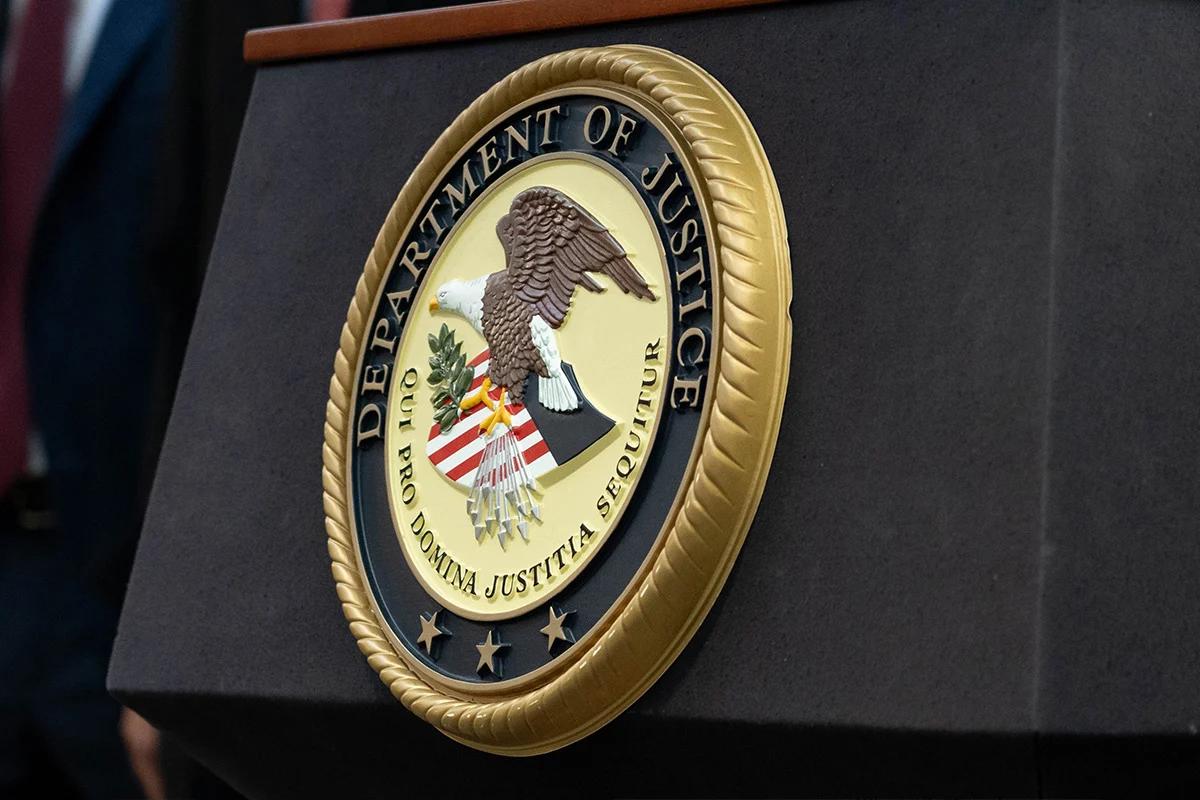
The U.S. Department of Justice filed a civil forfeiture complaint seeking $61.2 million in USDT tied to what prosecutors described as black-market sales of sanctioned Iranian oil, with the case filed by the U.S. Attorney’s Office for the Southern District of New York on September 14.
Prosecutors said the funds came from ten TRON addresses holding frozen USDT, with balances ranging from 1 million USDT to more than 12.75 million USDT, and they alleged the money was meant to benefit Iran’s government and its military branches including the Islamic Revolutionary Guard Corps.
The complaint names two Hong Kong companies, Blessed Trust Limited and Hexa Whale Trading Limited, and says they allegedly used trading accounts on Binance to convert oil sale proceeds into crypto.
Prosecutors also alleged that a group of linked wallets called “Entity A” received and sent out more than $1.5 billion, and that Entity A sent funds to Nobitex, an Iranian crypto exchange.
A seizure warrant signed on September 14 authorizes the FBI to take control of the assets, and the filing says Tether is expected to burn the tokens and issue replacement USDT of equal value for an FBI-controlled hardware wallet in New York.
Binance not indicted
The Asian report says the U.S. Attorney’s Office for the Southern District of New York asked the court to permit confiscation of $61 million (approximately 8.3 billion won) in Tether (USDT), describing it as proceeds from smuggling Iranian oil subject to U.S. sanctions.
In that same report, Deputy Chief of the U.S. Attorney’s Office for the Southern District of New York Sean Buckley said, "We seek to confiscate more than $61 million in Iranian government funds that likely fueled hostile military actions and terrorist attacks against the United States and its allies."

The Blockonomi account says the complaint does not bring a criminal charge against Binance, and it adds that Tether had frozen all ten targeted wallets by the time prosecutors filed the case.
Binance responded by saying, "We have never directly transacted with any sanctioned entity," and the Blockonomi text says Binance removed Blessed Trust in January 2026 and offboarded Hexa Whale in August 2025 after internal reviews.
The Crypto News | Other report frames the action as a civil case against the assets themselves, noting that the underlying allegations remain unproven unless a court enters judgment for the United States.
Sanctions, military funding
Prosecutors allege the money was meant to benefit Iran’s government and its military branches, and the Blockonomi text specifically ties the alleged flows to the Islamic Revolutionary Guard Corps, which the U.S. has designated a terrorist organization.
The Cryptonews.net account says the DOJ alleged the funds were intended to finance Iran’s government and military, including the IRGC, and it describes a network of related addresses that allegedly received and distributed more than $1.5 billion.
The Blockonomi article also says one Entity A address beginning with TU6Vd was linked in the complaint to a network connected to Sepehr Energy Jahan Nama Pars, and it notes that the U.S. Treasury sanctioned that company in 2023 for helping sell Iranian oil abroad.
The Cryptonews.net report adds that the case was filed as a forfeiture effort in which Tether froze about 61.19 million USDT across 10 addresses on the Tron network in 2025, and it says the DOJ alleged the funds came from black-market sales of sanctioned Iranian oil.
Looking ahead, the Crypto News | Other text says the seizure warrant issued Sept. 14 by U.S. Magistrate Judge Ona T. Wang authorizes the FBI to bring the assets into government custody, while the civil case asks the federal court to award ownership of the USDT to the government under federal forfeiture laws.