Full story
Deal Ends Hostilities
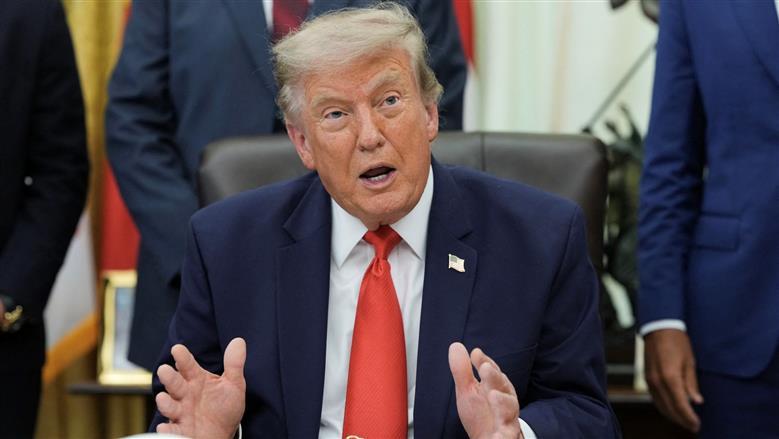
U.S. President Donald Trump announced that a ceasefire deal with Iran had been agreed and that toll-free shipping through the Strait of Hormuz would begin, with Trump writing on Truth Social, "The Deal with the Islamic Republic of Iran is now complete."
“The Deal with the Islamic Republic of Iran is now complete”
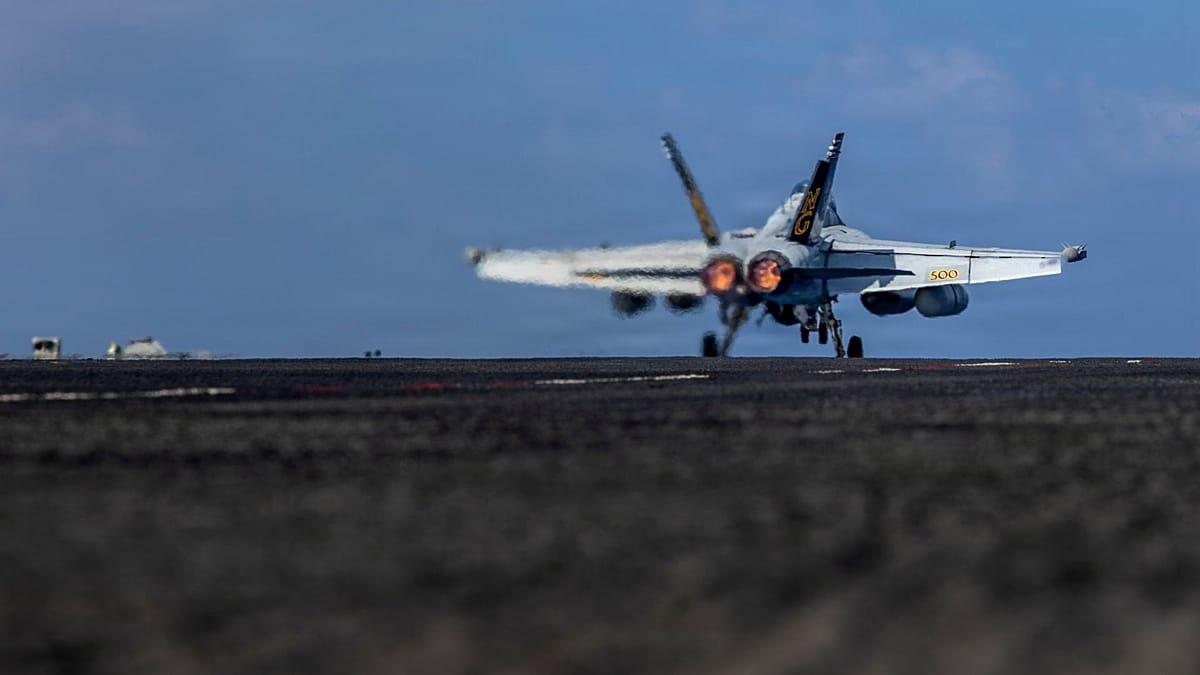
Trump said the agreement would immediately end hostilities and that he was authorizing "the immediate removal of the United States Naval blockade," while Iranian state media later broadcast that the text of a memorandum of understanding had been finalized.

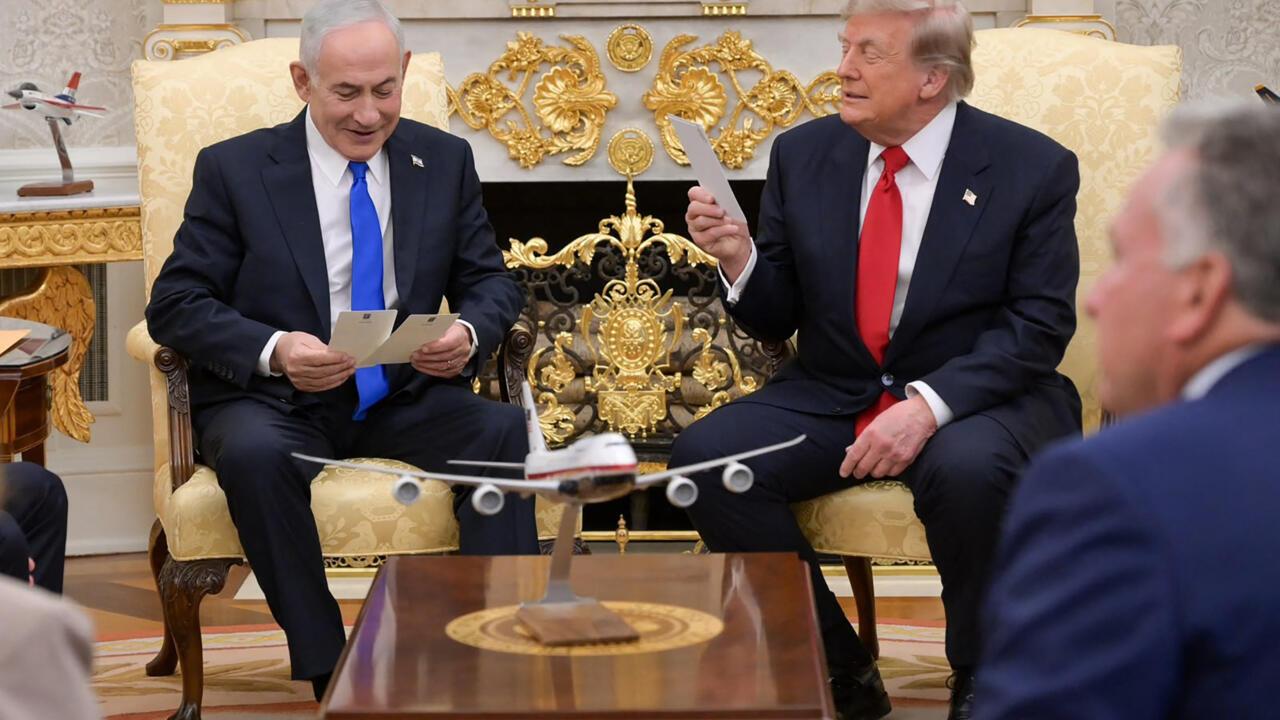
Pakistani Prime Minister Shehbaz Sharif confirmed the deal on X, saying "Both sides have declared the immediate and permanent termination of military operations on all fronts, including in Lebanon," and said an official signing ceremony would take place in Switzerland on Friday, June 19.
NBC News reported that Kazem Gharibabadi, Iran’s deputy foreign minister, said the U.S. naval blockade would end Sunday night and that the immediate and permanent end of war and military operations on various fronts would be announced from tonight.
The agreement was framed as a halt to the U.S. and Israel’s war against Iran that began on Feb. 28, and it was also tied to the reopening of the Strait of Hormuz, which NBC News said had been effectively closed since the conflict began.
Reactions and Signing
As the deal was announced, U.K. Prime Minister Keir Starmer said he was ready to aid technical talks and urged implementation, writing on X, "Attention must now turn to fully implementing the memorandum of understanding" to ensure the Strait reopens and remains open.
France’s Emmanuel Macron praised the agreement and called for swift implementation, saying, "I call for its rapid and complete implementation by all belligerents," while CBS News reported that Iran’s deputy foreign minister later confirmed the text had been finalized and would be signed Friday.

CBS News also said Qatari negotiators flew to Tehran earlier Sunday morning and departed after 17 hours of intensive negotiations, with preparatory meetings set to take place in Doha this week ahead of the official signing in Switzerland.
In Iran, hardliners mounted rejection of the terms, with Iranian MP Kamran Ghazanfari saying, "The fact that they say we won and America has retreated is a blatant lie," while the Guardian reported that Mehdi Mohammadi, an adviser to Mohammad-Bagher Ghalibaf, argued the deal would end the war including Israel’s offensive in Lebanon.
The Guardian reported that Mohammadi said the text would allow Iran and Oman to charge fees for passage through the Strait of Hormuz and would prevent Israeli commercial ships using the waterway, even as critics argued the deal did not guarantee sanctions relief, compensation, or control of the strait.
What Comes Next
Even with the ceasefire framework, multiple outlets said key issues would be addressed later, with AP News reporting that key issues like Iran’s nuclear program were expected to be addressed later and that Iran signaled implementation would not start until the signing in Switzerland.
“Iran signaled implementation would not start until the signing”
AP News also said the deal came with days to influence what lies ahead, and it quoted Iran’s deputy foreign minister Kazem Gharibabadi confirming the agreement but saying Iran would not start implementing it until it was signed on Friday.
The Guardian reported that Mohammadi said disposal of Iran’s highly enriched uranium, including down-blending inside Iran, would be left to future discussions lasting 60 days, and it also reported that the only statement on the nuclear programme was that Iran would not build or purchase nuclear weapons.
NBC News said it was unclear when the strait would be fully open, and it noted that Trump said the channel would open "upon the signing of the Deal on Friday, for purposes of mine removal," while the agreement’s timeline and logistics remained uncertain.
At the same time, CNN Arabic reported that Mohamed ElBaradei criticized the deal as a return to what existed before after "killing and destruction," warning that negotiations under the threat of nuclear weapons were a path to insecurity and a lack of trust.