Full story
Trump sanctions, Iran braces
Iran is bracing for new U.S. economic sanctions next week as President Donald Trump vowed to impose them, risking a deepening living crisis amid already severe economic strain.
“Iran’s annual inflation rate reached 66% in July”
Aajil reported that Iran’s annual inflation rate reached 66% in July, with food prices up 128% year-over-year, and that the value of the minimum wage in dollars fell from $105 to $86 since late March despite a 60% increase.
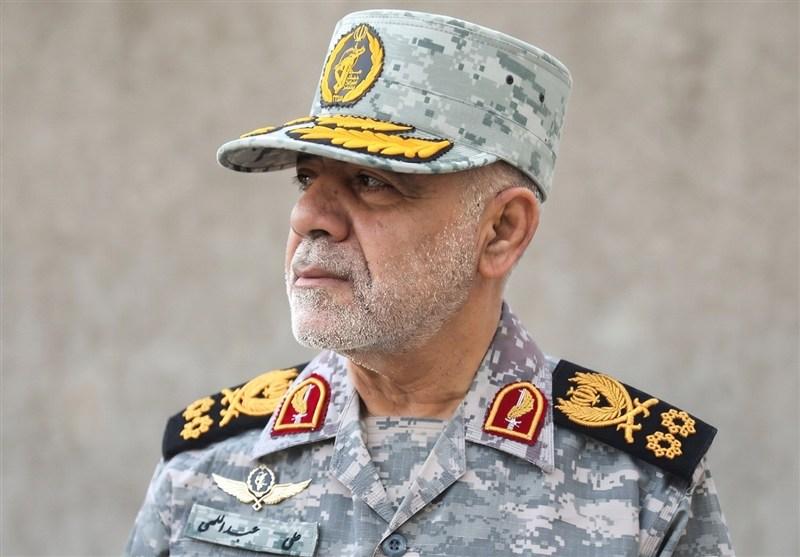
The same Aajil report said Iranian authorities appointed Hossein Tayyeb to lead the Basij forces amid fears of renewed protests due to economic pressures, while President Ebrahim Raisi acknowledged that problems have doubled and revenues fallen as trade was hit and import costs rose.
Aajil also said Trump warned on Friday of strong economic pressure on Iran, a day after U.S. Treasury Secretary Janet (Scott) Vest?en announced Washington would impose “unprecedented” measures on Tehran next week, without disclosing their nature.
ABC News framed the diplomatic backdrop as a stalled effort, noting that a 60-day memorandum of understanding between the U.S. and Iran expired and that Trump told Fox News he is “not in a hurry” to bring about a solution.
Blockade and political pushback
The U.S. threat of an “indefinite” naval blockade is paired with promises of new economic measures, with Al Jazeera reporting that U.S. Defense Secretary Pete Hegseth told reporters the U.S. military can maintain a blockade “indefinitely” by rotating ships in and out.
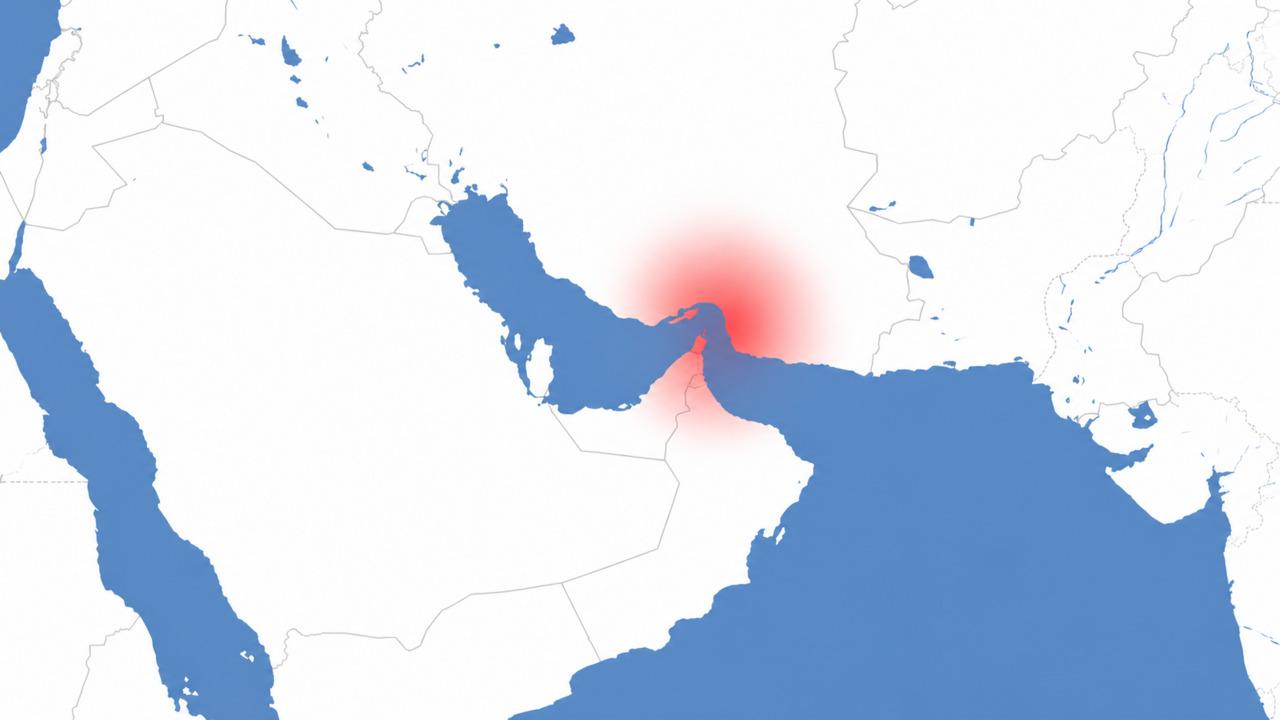
Al Jazeera also quoted Treasury Secretary Scott Bessent saying, “Watch this space for more announcements coming next week,” as he described measures that would combine economic isolation with the continued blockade in the Strait of Hormuz.

ABC News described the administration’s approach as economic warfare, quoting Treasury Secretary Scott Bessent saying, “We are going to apply measures like have never been seen in the history of economic isolation on a country,” and adding that they would form a “one-two punch” alongside the U.S. blockade.
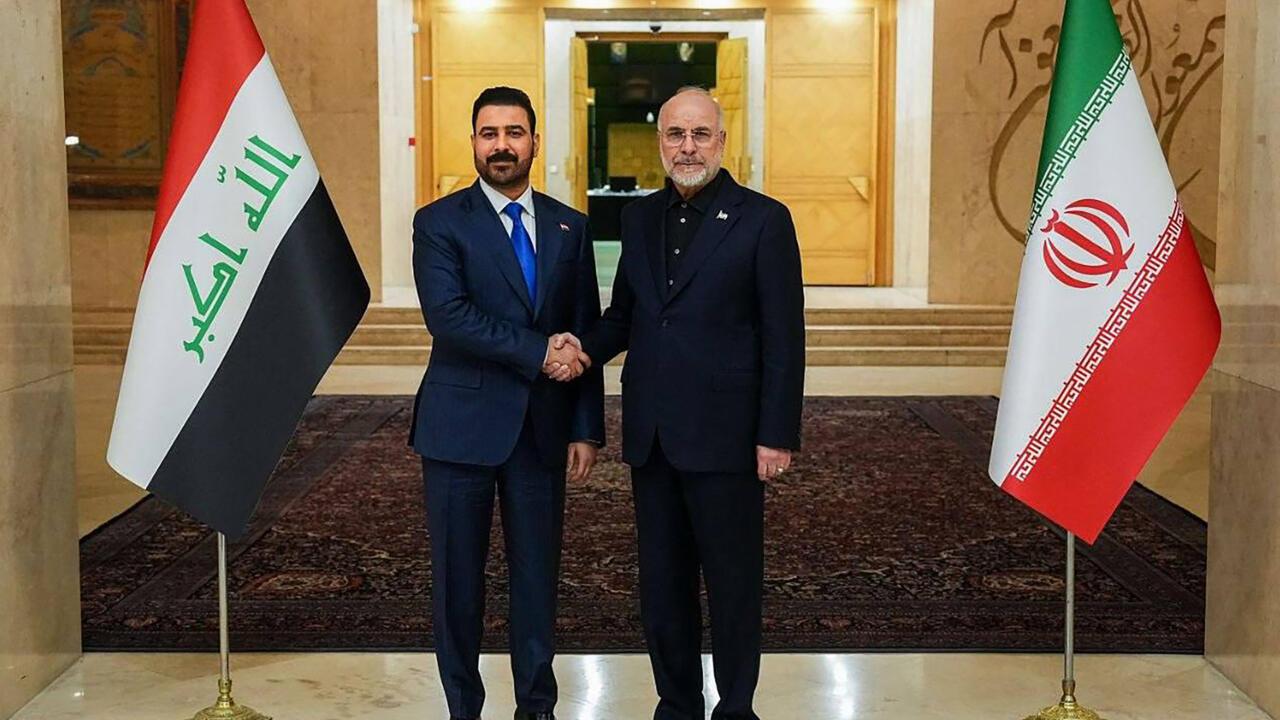
In response to the pressure, ABC News reported that Mohammad Ghalibaf, the speaker of Iran’s parliament and its lead negotiator with the U.S., wrote on X that Bessent was “way out of [his] league” and that the U.S. was “trying to pull a rabbit out of their hat.”
Al Jazeera added that Iran’s Persian Gulf Strait Authority (PGSA) posted on X that “The Strait of Hormuz remains blocked and will not be reopened until Iran’s conditions are accepted,” rejecting Trump’s claims of full control.
What’s at stake next
Al Jazeera said Iran is preparing to keep its economy alive as the U.S. plans a new wave of restrictions, with Treasury Secretary Scott Bessent telling the network that the U.S. would apply measures that have “never been seen in the history of economic isolation on a country.”
“the costs will not be confined to the target of sanctions”
Al Jazeera reported that President Donald Trump echoed Bessent and said Iran would be hit hard economically after the memorandum of understanding expired on Monday, while Iran’s parliament speaker Mohammad Bagher Ghalibaf told state media on Tuesday that the strait would remain closed until U.S. commitments are implemented.
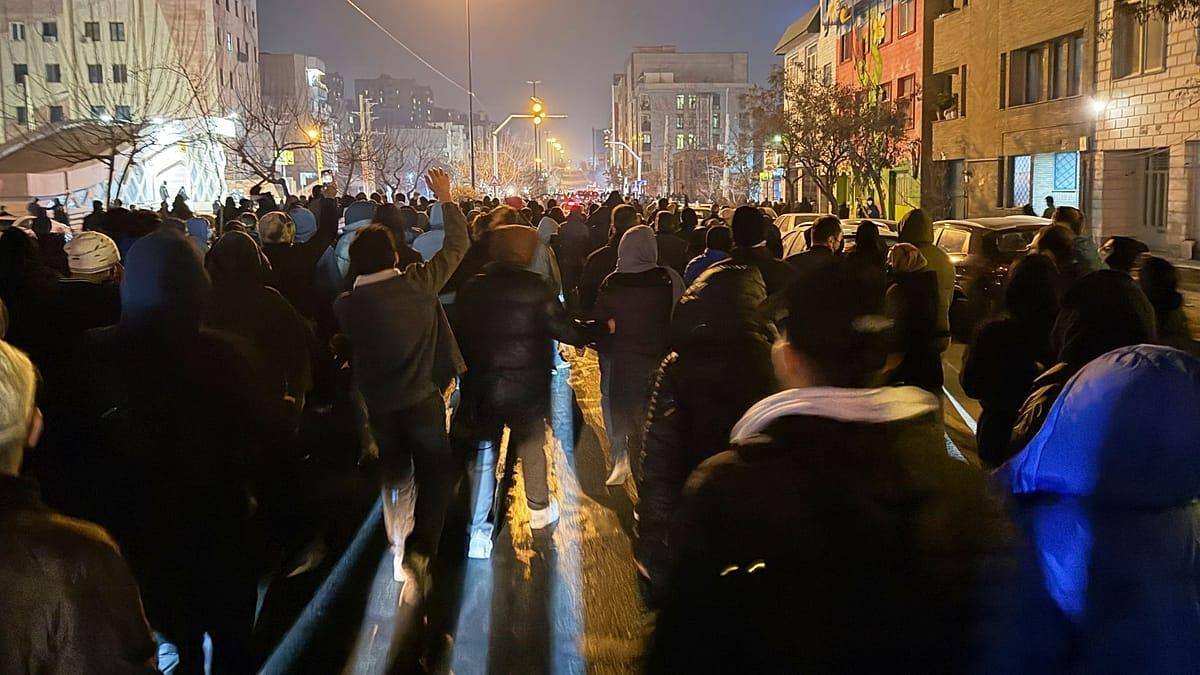
Aajil described the domestic stakes as economic pressure that could trigger new popular protests, linking Hossein Tayyeb’s appointment to the Basij to fears of renewed unrest.
Aajil also said construction projects halted in large areas and employment opportunities declined, and it quoted Arsha, a civil engineer from Isfahan, saying the war halted projects or delayed them, making it hard to find work.
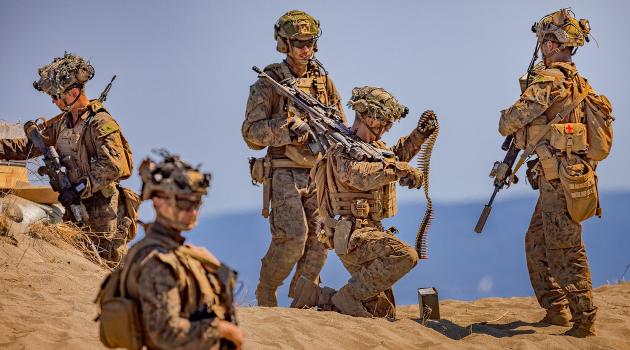
Al Jazeera warned that if armed conflict resumes, “the costs will not be confined to the target of sanctions; the global economy will also pay a price” through continued disruptions in the Strait of Hormuz and attacks across the region.