Full story
Disarmament Deal Announced
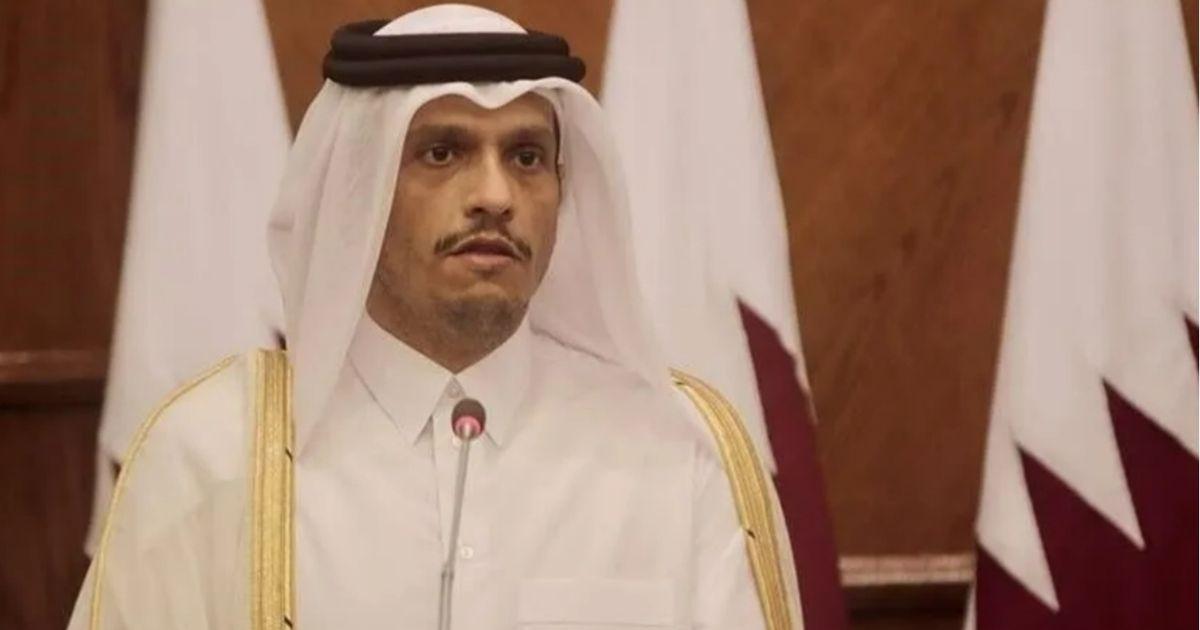
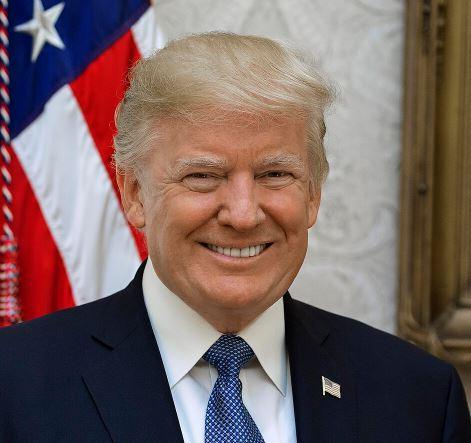
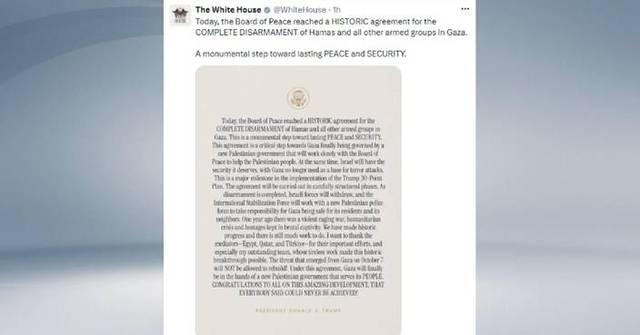
U.S. President Donald Trump said his Board of Peace reached a deal for Hamas and other armed groups in Gaza to disarm, calling it a "great breakthrough" as he took a Cabinet meeting to Camp David.
“Trump hails Gaza disarmament deal, says Israel 'very happy'”
Trump said, "We do have an understanding with Israel. Israel is very happy about it," and the proposed deal includes a ceasefire, more humanitarian aid, and a phased Israeli military withdrawal.

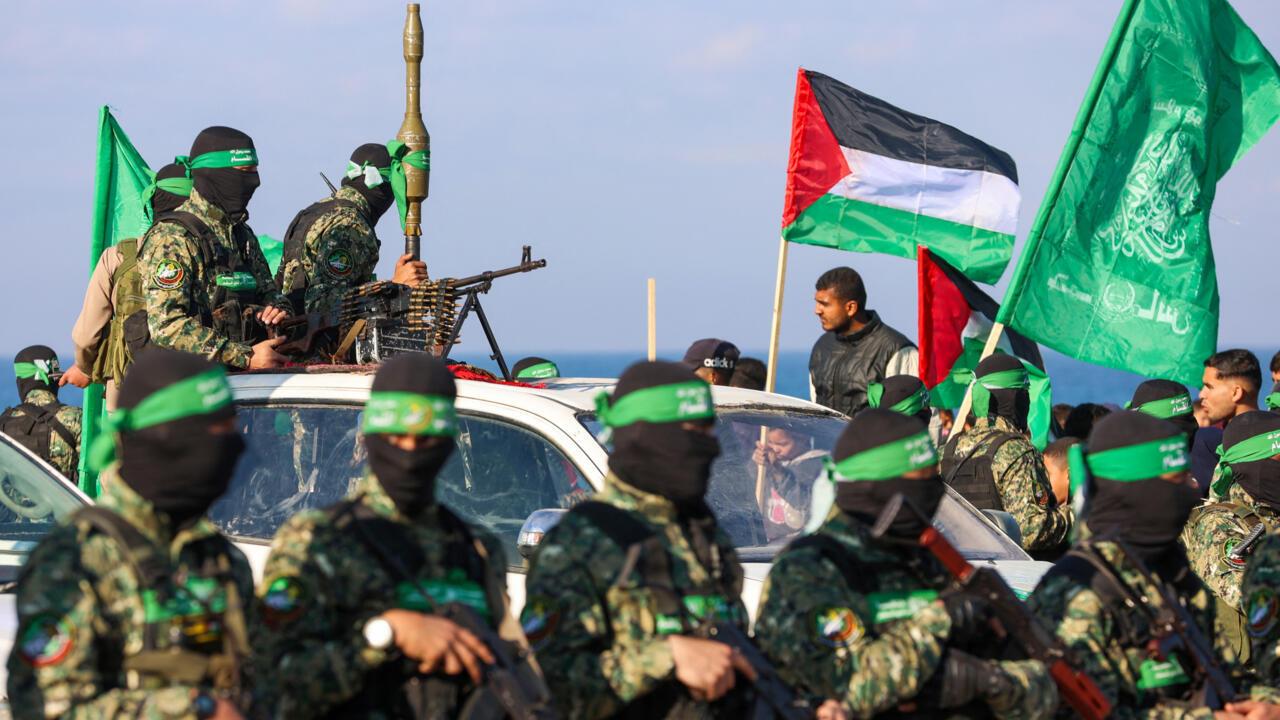
Hamas said it will begin disarming as part of the deal, but it tied disarmament to Israel ending its strikes and withdrawing from Gaza, while also requiring the creation of a Palestinian state.
The Associated Press reported that Trump claimed the agreement would be carried out in carefully structured phases, with Israeli forces withdrawing as disarmament is completed and an International Stabilization Force working with a new Palestinian police force.
The NPR report said a senior Hamas official told NPR on Friday that Israel must withdraw from parts of Gaza first, including "including withdrawal" first, as Netanyahu did not immediately react to Trump’s announcement.
Sequencing and Verification Dispute
Hamas official Ghazi Hamad told CNN that the agreement was a "package" and that Hamas would not begin any weapons-related steps until Israel implements its commitments.
Hamad also said, "We will not begin any weapons-related steps until Israel implements these commitments," and he added that if Israel does not implement them, Hamas will not proceed.

CNN reported that Israel’s right-wing coalition voiced strong opposition, including National Security Minister Itamar Ben Gvir rejecting any agreement reached "through a third party," insisting the only acceptable outcome remains Hamas’ destruction.
The CNBC report said Hamas official Ghazi Hamad told Reuters that the group would not disarm until Israel ended its attacks in Gaza, increased the flow of goods and aid, and pulled back its forces per a ceasefire agreement reached last year.
In parallel, the Board of Peace officials described a transitional authority that would "hold a full monopoly on weapons in the Gaza Strip" while hoping "all the tunnels will be disclosed and destroyed," according to WUFT.
What Comes Next and What’s at Risk
The NPR report said the deal’s implementation faces major hurdles because Hamas’ laying down of heavy weapons was contingent on the creation of a Palestinian state, which Israel’s current government rejects.
“without any questions, skepticism, or determination to undermine it”
NBC News reported that a copy of the agreement obtained and verified by The Associated Press said all weapons held by the Hamas-run police would be transferred to the U.S.-backed Palestinian technocratic committee known as the National Committee for the Administration of Gaza upon its arrival in the enclave.
NBC News also said a process to decommission and store heavy weapons, military production sites and tunnels would begin after the arrival of the Palestinian committee and the deployment of international forces, and that it would be linked to a phased Israeli withdrawal.
The AP report quoted Secretary-General Antonio Guterres telling U.N. reporters that there is a roadmap that must be implemented now "without any questions, skepticism, or determination to undermine it," as he warned the six-month war in Iran was becoming a driver of instability.
In the background of the Gaza negotiations, Reuters reported that the State Department’s Rewards for Justice program offered a reward of up to $15 million for information that disrupts the financial mechanisms supporting the IRGC drone production network, including sanctions on six KIPAS officials.