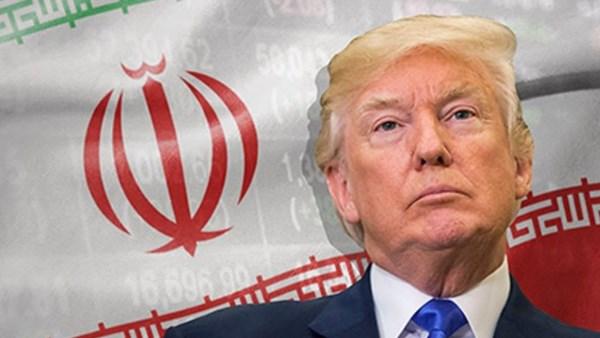
Full story
Pressure, options, and Hormuz
President Donald Trump reiterated that Washington maintains “all options” against Iran and said the strategy based on economic pressure does not imply renouncing the use of force, adding “No, not at all. It just means we are waiting to see what happens.”
“Washington maintains “all options” against Iran”
Trump linked the U.S. response to dominance over key routes such as the Strait of Hormuz and assured that U.S. forces have “total control” in the maritime zone and in adjacent land areas.
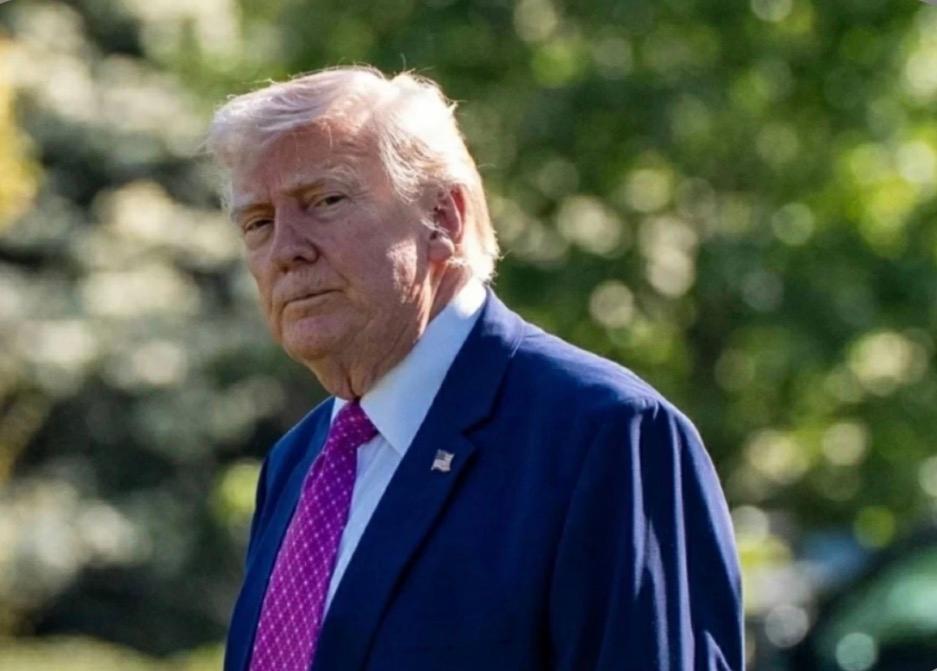
In Myrtle Beach, South Carolina, Trump asserted that he considers the maritime passage to be “American territory,” and the report says he posted a map identifying it as “NEW U.S. Territory.”
The same accounts describe the Strait of Hormuz as carrying around 20% of global crude and refined product consumption flows in the first half of 2025, with about 20.9 million barrels per day crossing the strait, and they note that roughly 11.4 billion cubic feet per day of liquefied natural gas moved in that same period.
The pressure campaign is framed as a bid to isolate Tehran and raise the cost of confrontation, while Trump’s threats keep open the possibility of harsher measures if Iran does not accept Washington’s terms.
Allies, sanctions, and rebuttals
Trump’s threats also targeted allies as he sought to pressure Iran, with the report saying he threatened to bomb Oman, a U.S. ally acting as mediator, and then posted a map with a circle around the Strait of Hormuz labeling the area as “NEW U.S. Territory.”
Andrew Leber, Middle East expert at the Carnegie Endowment for International Peace, said, “This is a problem that neither military force nor bravado can solve,” and he added that when Trump cannot coerce Iran to change course, “he lashes out at others.”
In parallel, the United States and Iran exchanged sharp messages before Washington announced new economic sanctions on Tehran, potentially targeting its top trading partners led by China, and Reuters is cited as saying Treasury Secretary Janet Yellen would unveil details on Monday described as the “toughest sanctions in history.”
Iran’s Foreign Ministry spokesperson Nasser Kanaani? (Ismail) rejected the anticipated sanctions, describing them in a post on X as an attempt to impose “sovereignty beyond borders” on independent states, and the report says secondary sanctions have no basis in international law.
The same account says Iranian Civil Defense Chief General Ali (Abdollahi) promised a response to any new threats with “crushing, punitive, and destructive” replies, while Iranian President Ebrahim Raisi called for ending the war through a diplomatic solution and said it would be better to end it “today” while Iran remains in a position of strength and dignity.
Stalemate, costs, and next moves
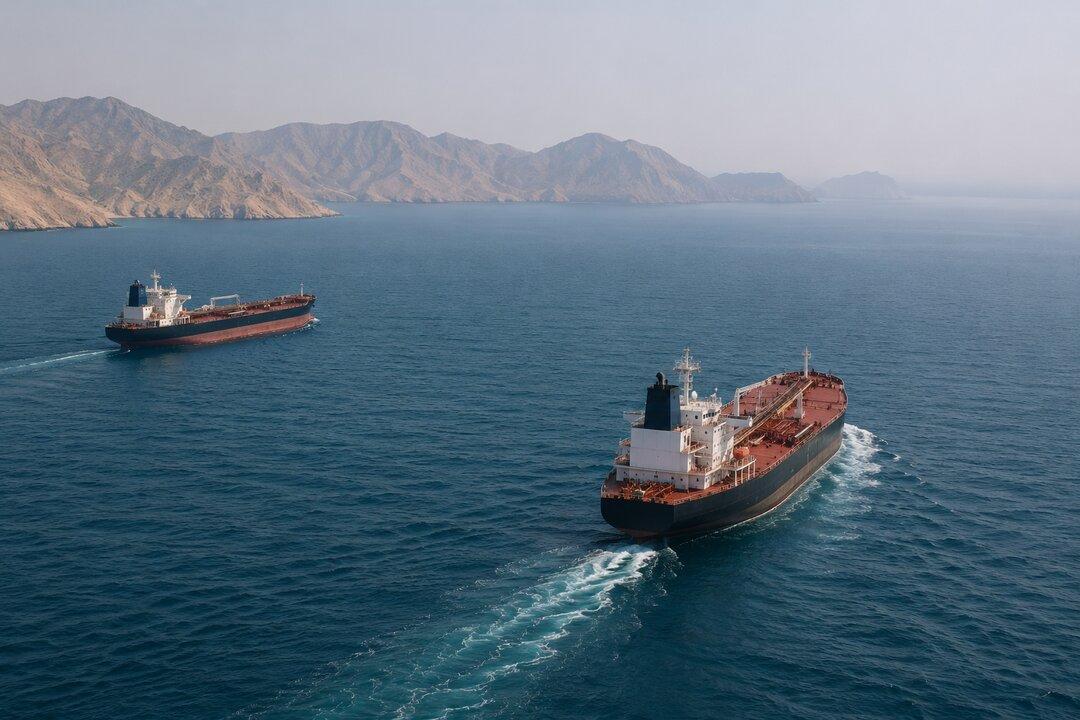
The reporting describes the war as nearing its sixth month without a return to direct fighting or a resumption of peace talks, while oil shipments through the Strait of Hormuz remain nearly halted and Tehran retains the ability to disrupt navigation in the strategic passage.
“the war nears its sixth month without a return to direct fighting”
Reuters is cited as reporting that American military operations have caused significant damage to the Iranian economy and to the Iranian naval and air forces, but the same account says Iran still retains missile and drone capabilities that allow it to disrupt oil shipments and threaten its regional rivals.
The account also says Washington has not yet achieved several goals Trump announced at the start of the war, including dismantling the Iranian nuclear program, with its status unclear under broad restrictions on access for IAEA inspectors to Iranian nuclear facilities since 2025.
At home, the same report says the war’s economic and political costs increasingly pressure Trump ahead of the November midterm elections, citing a Reuters/Ipsos poll that showed Trump’s approval rating at 33 percent, the lowest level recorded during his current term.
A senior administration official told Reuters that sanctions and the naval blockade have weakened the Iranian economy and that Trump has “many levers of pressure” he can tighten in the coming weeks, while a White House spokeswoman Jen Psaki? (Ana) Kelly told Reuters the administration had ended several wars and affirmed that Iran will be prevented from acquiring a nuclear weapon.