Full story
Deal, deadlines, and gaps
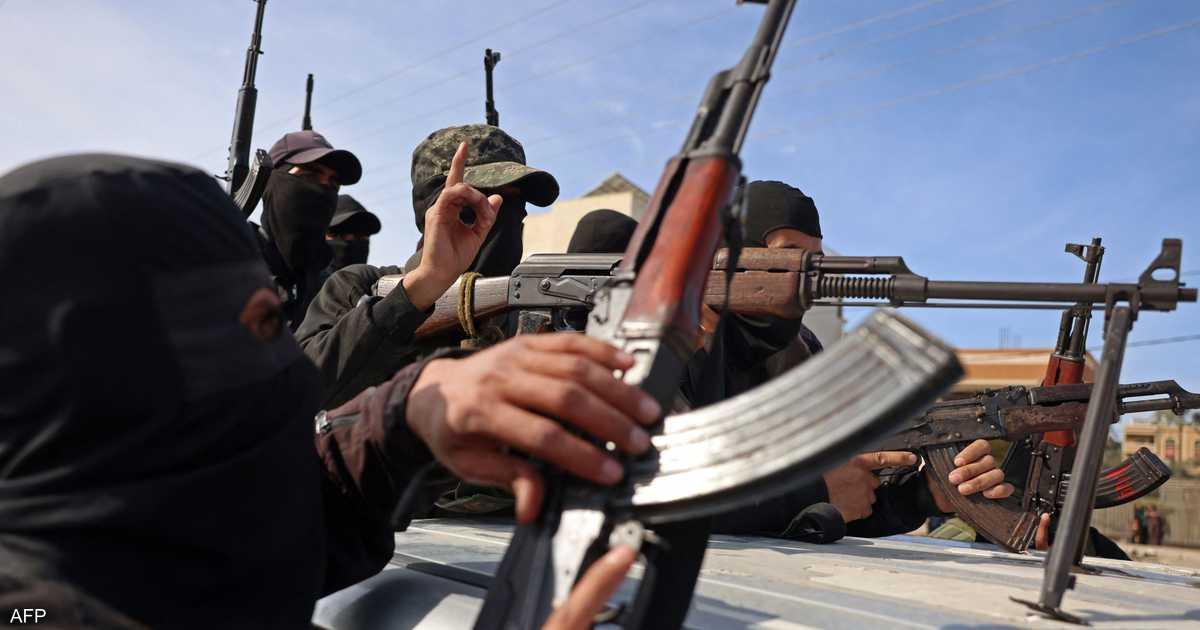
U.S. President Donald Trump touted “a HISTORIC agreement for the COMPLETE DISARMAMENT” of Hamas, but after the Board of Peace released a text of the 15-point plan, analysts cautioned there was “a substantial gap between Israel and Hamas on a path forward.”
“a substantial gap between Israel and Hamas on a path forward”
The Washington Post said the sides have 14 days to agree on the “timetable and implementation mechanisms,” framing the next phase as a negotiation over sequencing rather than a single step.

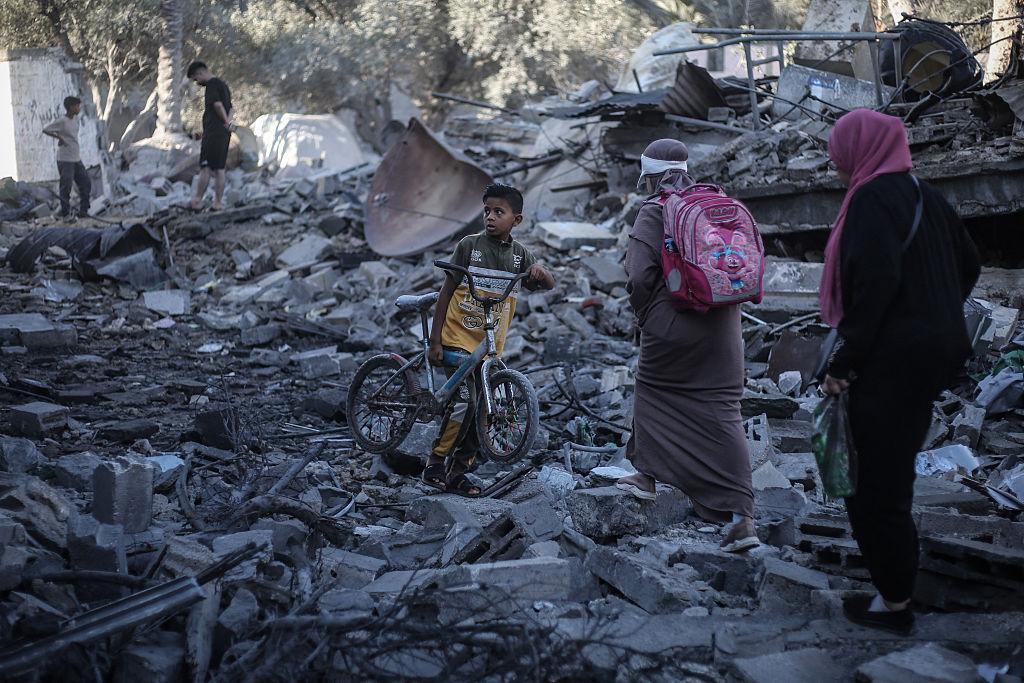
The Le Monde.fr account said Trump announced on Thursday, July 30 that he had secured a “historic” agreement on Hamas disarmament, bringing attention back to the enclave where residents remain under constant Israeli fire.
L’Orient Today described Trump’s claim that his “Board of Peace” reached a “historic” agreement for the “complete disarmament” of Hamas and all other armed groups in Gaza, and said the plan would have Israel withdraw as weapons are collected.
In the same L’Orient Today piece, the agreement was described as the most significant development in Gaza since the “cease-fire” of October 2025, with Hamas expected to relinquish the government it has controlled for nearly twenty years.
Israel and Hamas trade conditions
France 24 reported that Trump said Israel is “very happy” with the agreement, while Israeli Prime Minister Benjamin Netanyahu had yet to publicly endorse it.
France 24 also said Israeli sources asserted there will be no withdrawal of Israeli forces without genuine disarmament, while Hamas insisted Israel must withdraw first before it will lay down its weapons.
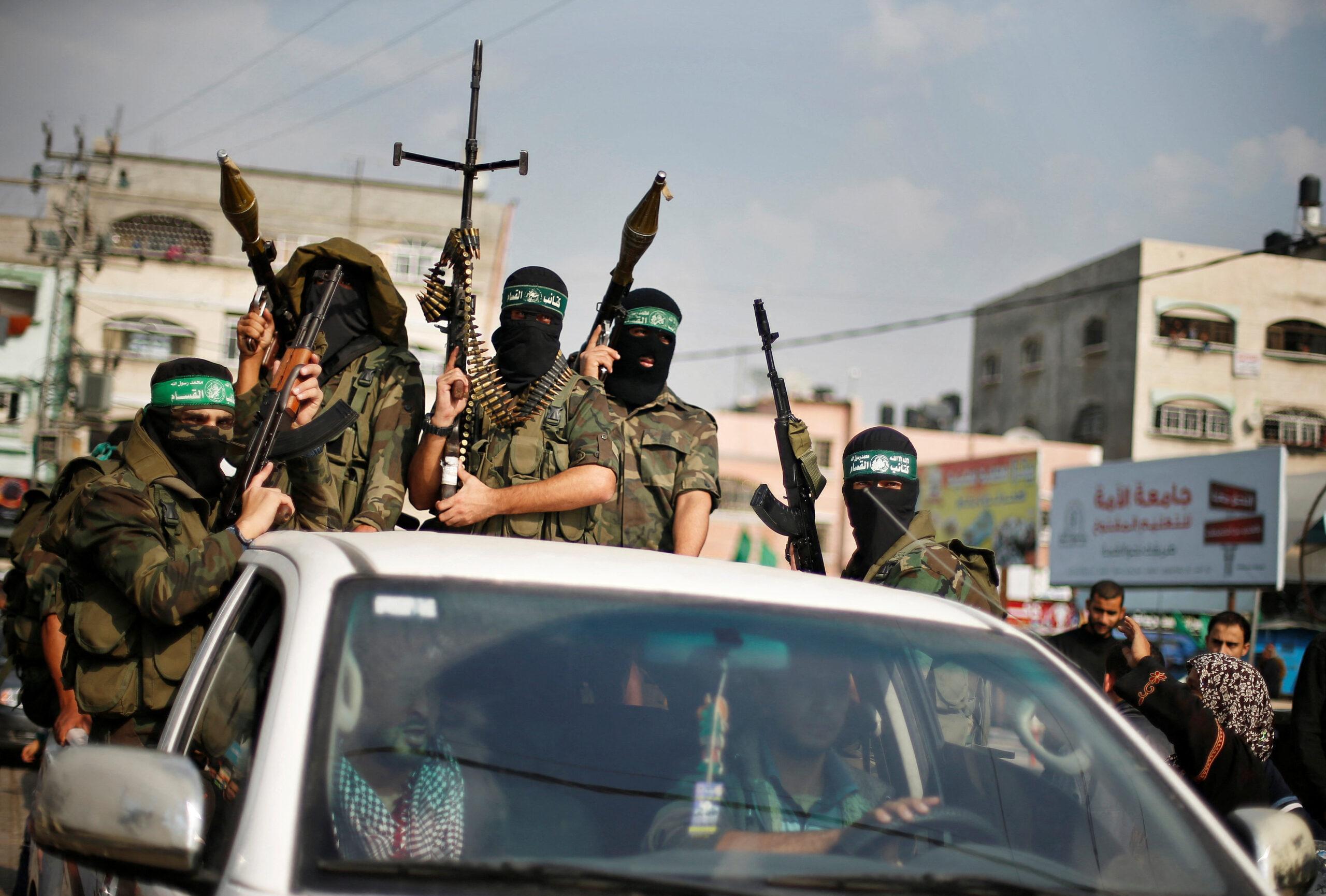
CNN said senior Hamas official Ghazi Hamad confirmed the group had reached an agreement to disarm, but only if Israel ceases fire, stops all targeted killings in Gaza, withdraws its troops to the so-called “Yellow Line” and allows for a surge of humanitarian aid consistent with the October ceasefire agreement.
CNN quoted Hamad saying, “We will not begin any weapons-related steps until Israel implements these commitments,” and added that if Israel does not implement them, Hamas “will not proceed.”
In parallel, CNN reported that an Israeli official rejected key elements of the reported framework, stressing that “complete disarmament” of Hamas remained a precondition for any process and that there would be no Israeli withdrawal from the Gaza “yellow line” until demilitarization is completed.
Implementation tests and what’s at risk
Beyond the announcement, the NPR account said the Board of Peace said a transitional authority would “hold a full monopoly on weapons in the Gaza Strip” and “hopefully all the tunnels will be disclosed and destroyed.”
“hold a full monopoly on weapons in the Gaza Strip”
NPR also reported that a senior Hamas official told the outlet Israel must uphold its commitments of the first phase of the ceasefire agreement, “including withdrawal” first, placing the sequencing dispute at the center of whether disarmament can begin.
Devdiscourse described a phased process that would begin within 14 days of formal approval by all parties, with weapons placed under NCAG control rather than handed to Israel or rival Palestinian factions.
Devdiscourse said implementation could take between 200 and 350 days and that an International Stabilisation Force, led by the United States, would support the process by training Palestinian police, overseeing the collection of weapons and positioning itself between Israeli and Palestinian forces.
In CNN’s account of the political and operational stakes, it said Israel’s security cabinet approved on Sunday the deployment of a limited international stabilization force—200 troops from Morocco and Uganda—to enter a pilot zone in Rafah, while any further deployment would require specific approval from Israel.