Full story
Disarmament Deal Announced
U.S. President Donald Trump announced a “historic” agreement for the complete disarmament of Hamas and the withdrawal of Israeli forces from the Gaza Strip, with implementation described as happening “in stages” and in parallel with Israeli withdrawal.
“Donald Trump and his Gaza Board of Peace announced a "historic" deal for the complete disarmament of Hamas and withdrawal of Israeli forces.”
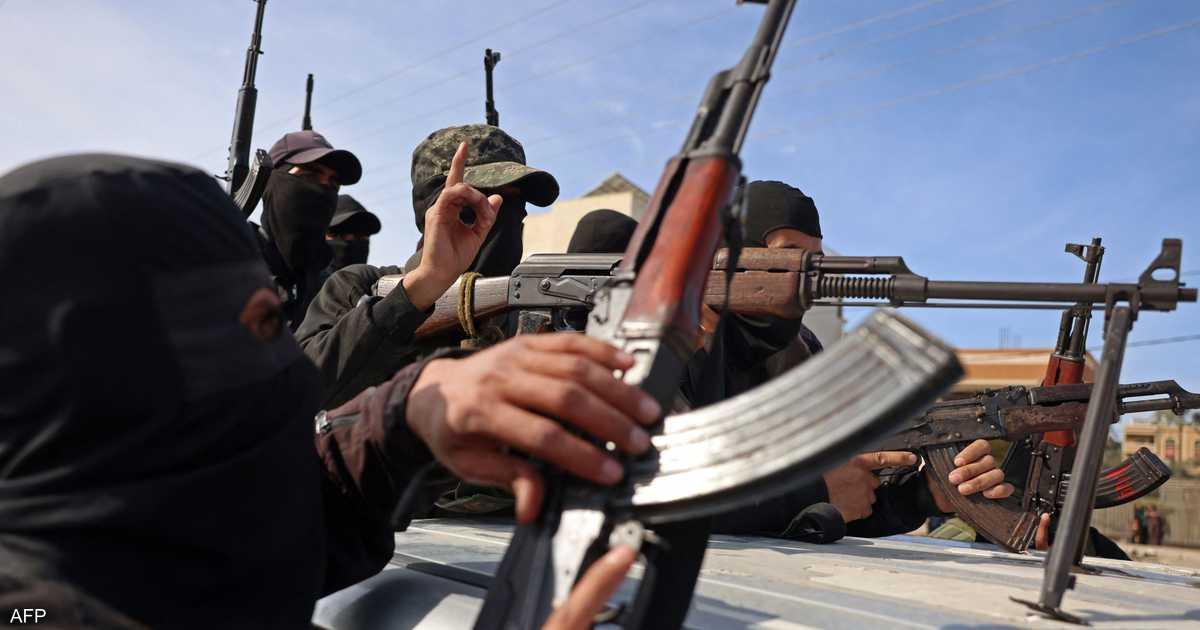
The BBC said a senior Hamas official and member of the movement’s negotiating team told it the talks were “long and extremely difficult,” with Hamas insisting on wording that weapons would be “inventorying and storing weapons” under Palestinian oversight rather than being handed over to Israel.
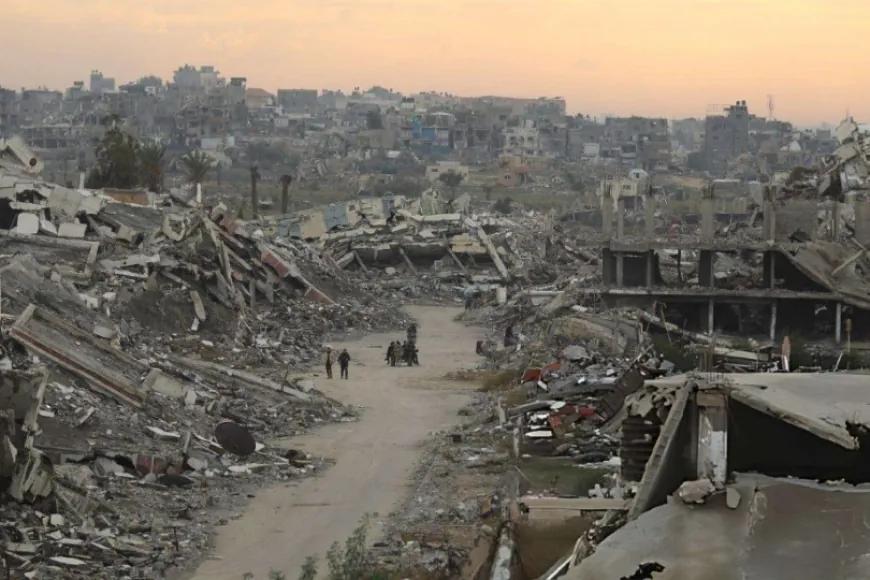
The National reported that Trump and his Gaza Board of Peace said the deal would involve a yet-unidentified Palestinian party conducting an initial weapons inventory and taking delivery of Hamas’s arms, tunnel maps and manufacturing sites.
The National also said the final deal emerged after consultations between Hamas and mediators from Egypt, Turkey and Qatar, while the BBC said it was too early to judge whether all parties would honour their commitments.
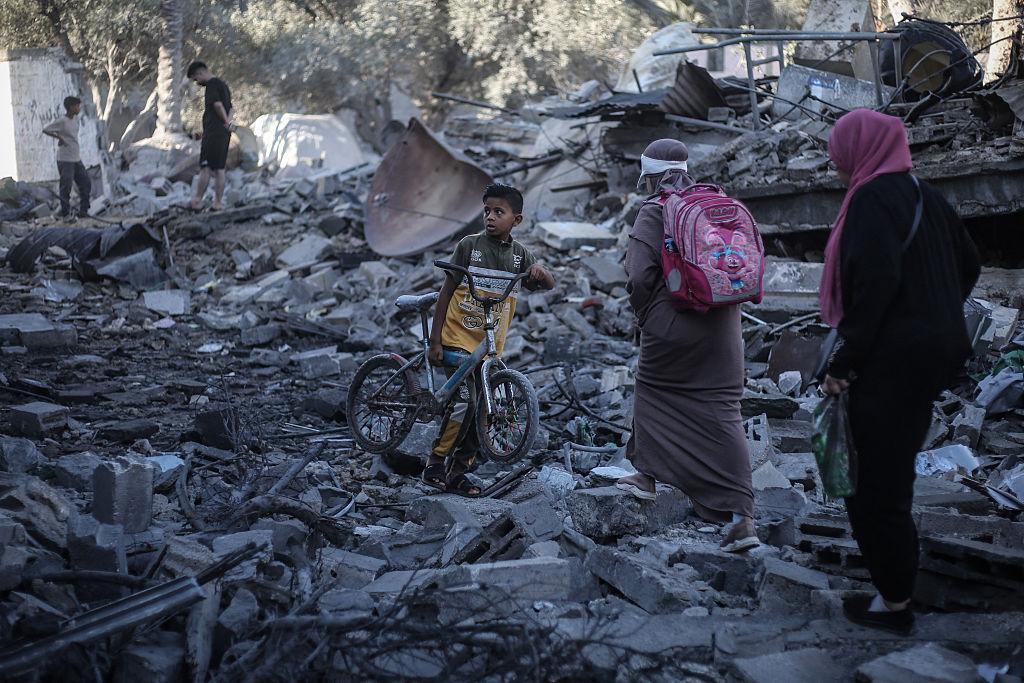
In Gaza, the BBC reported the announcement was met with “little public enthusiasm,” with residents saying they were less interested in negotiation details than whether the deal would end the war, allow displaced families to return home, and bring lasting relief.
Competing Conditions and Voices
Hamas officials tied disarmament to Israeli withdrawal, with Ghazi Hamad telling AFP that “We will not take any action regarding disarmament prior to Israel's withdrawal from the strip,” while Sky News Arabia said the weapons issue remained “one of the thorniest questions” within the ceasefire framework.
The National reported that an Israeli political source said Israel reiterated there would be “no withdrawal whatsoever of the [Israeli military] from the current yellow line unless Hamas undergoes a genuine disarmament.”
El País said Nickolay Mladenov warned that “What the agreement says matters. What happens afterward matters even more,” as the 15 points were designed for a context of near-zero trust between Israel and Hamas.
El País also described how the agreement gives 14 days to pact it from the moment all parties accept it, with the possibility of extending it indefinitely if decided by the International Verification Committee.
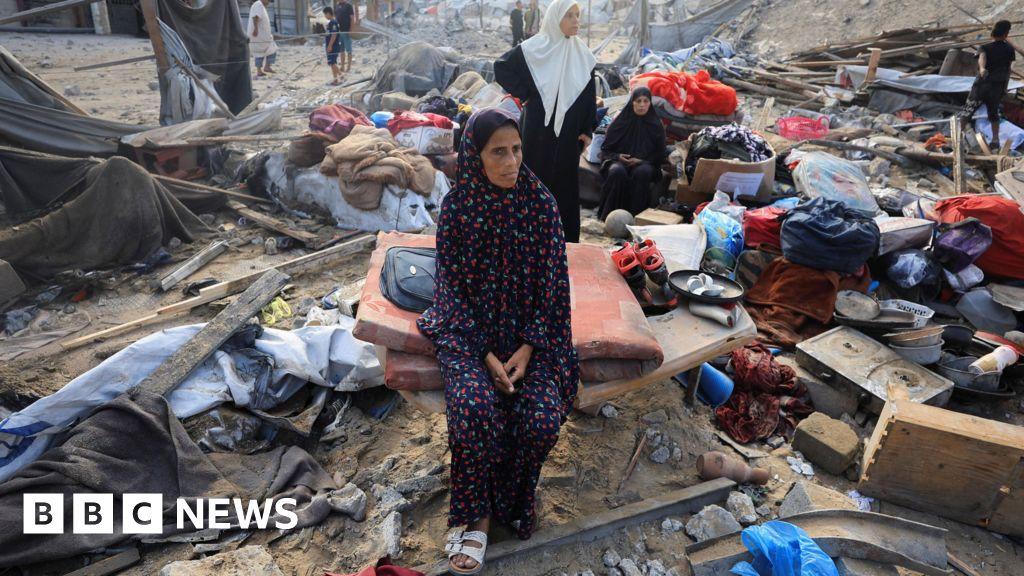
In the same reporting, El País said the army continued daily bombardments after the announcement, “killing more than 1,100 Palestinians,” while the ceasefire had already been described as having ended a military campaign that killed 73,290 people according to the Gaza Health Ministry data.
What’s at Stake Next
The National said the agreement’s roadmap is based on fifteen principles, including that parties aim to secure “the complete Israeli withdrawal from Gaza” and that Hamas and other Palestinian factions agree that “all civilian governance and security functions” are handed over to the National Committee for the Administration of Gaza.
“that Hamas and other Palestinian factions "agree that all civilian governance and security functions"”
Al Jazeera reported that its draft agreement ties weapons enumeration to a timeline synchronized with a full Israeli withdrawal from Gaza, and it said the draft calls for a gradual and sequential process of enumerating and storing the weapons of the resistance “within a comprehensive framework” for implementing the peace plan.
The draft described by Al Jazeera said the National Committee for the Governance of Gaza would be the sole body authorized to manage enumerating, storing, and controlling weapons inside the territory, while an International Verification Committee would oversee implementation and verify compliance “with support from an International Stabilization Force.”
El País framed the stakes as political and procedural, saying the agreement’s success depends on both sides engaging in a process that is “long and has enough loopholes for it to stall,” and it warned that the order and sequence remain a central dilemma.
El País also said the document makes disarmament and withdrawal “linked” and to be done “in phases,” while it described Israel’s insistence that it will not abandon the so-called Yellow Line until Hamas is fully disarmed, leaving the next phase contingent on unresolved implementation questions.