Technology and Scienceupdated 27m ago3 min read
MapDR Congo Ebola Cases Surpass 12,000 as Fighting Disrupts WHO Response
2 Local Western2 West Asian1 AsianMap: © OpenStreetMap contributors, ODbL · Cropped for layout
This article is an automated aggregation of coverage from news outlets. Our editorials offer in-depth analysis curated by the NewsCord team.
Confirmed Ebola cases in DR Congo exceed 12,000, government data show. Fighting between rebels and the army disrupts containment efforts and evacuations.
Save coverage image
12,000 Ebola cases
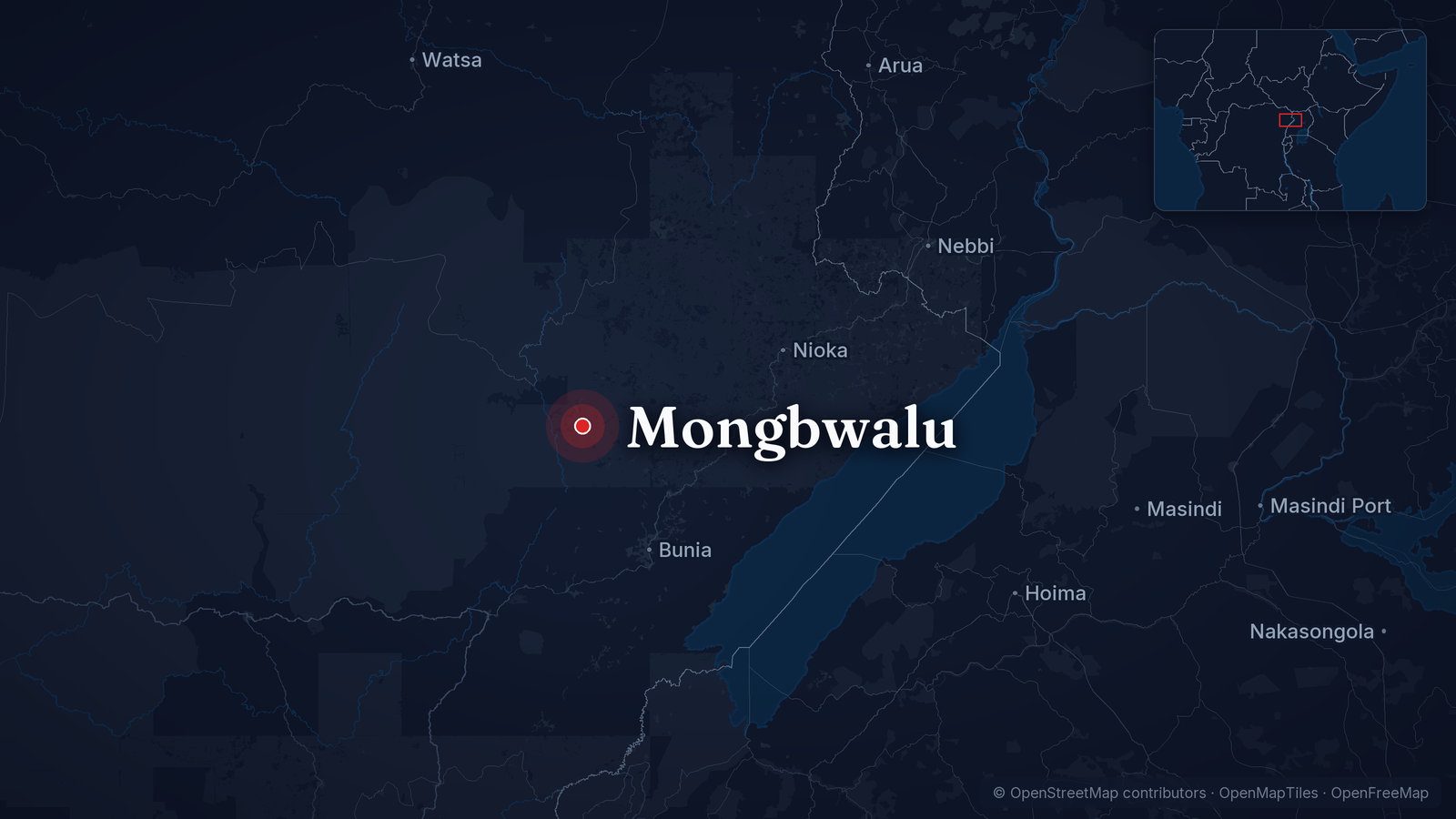
The Democratic Republic of the Congo’s Ebola outbreak has surpassed 12,000 confirmed cases, with government data showing 12,021 infections and 5,904 deaths as fighting in the east disrupts containment efforts. The outbreak, caused by the rare Bundibugyo species of the Ebola virus, was declared in mid-May in Ituri province in the northeastern DRC, and the sources say there are no approved treatments or vaccines for this species. The World Health Organization said heavy fighting near a hospital in Ituri province disrupted its Ebola response and that its Ebola team was temporarily relocated from the Mongbwalu area until the situation calms.
The WHO said the relocated health workers had been trapped in a maternity ward of the health facility for over 24 hours, and the sources also describe response workers being forced to leave affected areas amid worsening violence. The Anadolu Ajansı report said the WHO Director General Tedros Ghebreyesus called for sustaining efforts, and the Al Jazeera report said escalating fighting forced evacuations of Ebola response workers.
Evacuations and crossfire
Catherine Smallwood, the World Health Organization’s Ebola incident manager, said about a dozen people, including two WHO personnel and Congolese health officials, were evacuated to Bunia after three days trapped in a hospital in Akwe amid intense crossfire. Smallwood said, "They were caught really in the crossfire, very intense fighting, and we managed to evacuate them," as the sources described escalating violence between the Congolese army and fighters from the Convention for the Popular Revolution. The Al Jazeera report said Sandrine Buju, a humanitarian worker involved in the Ebola response, described her team coming under gunfire about 15 metres (50ft) from where it was returning to Bunia after training community volunteers.
Buju told The Associated Press news agency, "I was very frightened," and the report said the driver turned around and the team sought protection at a UN peacekeeping base. The Seattle Times report said fighting between the army and the Convention pour la révolution populaire rebels resumed Thursday morning in Iga-Barrière, a mining town about 15 miles north of Bunia, sending new waves of displaced people toward the city.
Preparedness plan and risks
The WHO and the Africa Centers for Disease Control and Prevention unveiled an updated Bundibugyo virus continental preparedness and response plan running from November 2026 through May 2027. WHO Director General Tedros Ghebreyesus said the plan would put communities at the centre, strengthen early detection and care, and rally countries and partners behind one coordinated effort to stop transmission and prevent further spread. Anadolu Ajansı reported that "Some $1.576 billion is needed over the next six months to deliver the response," as the sources tied the funding gap to access and security challenges.
The East London and West Essex Guardian Series said fighting between rebels and the army disrupted efforts to contain the spread of the disease, and it described the outbreak as the fastest-growing Ebola outbreak in history. The sources also said fighting prevented teams from reaching some communities, disrupted monitoring of people exposed to the virus, and left some treatment centres with fewer staff, with Dr Catherine Smallwood identified as saying so.