Full story
Damietta drone strike
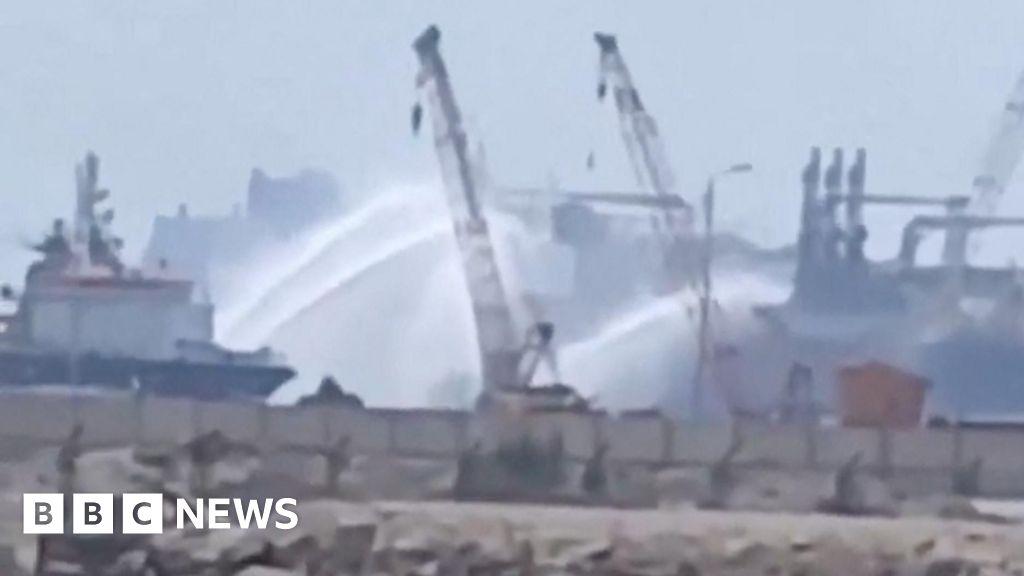
A drone attack targeted two gas vessels at Egypt’s Damietta Port on Wednesday, July 29, 2026, sparking fires after the Egyptian Cabinet said initial investigations found the fire was caused by a drone and that no party had claimed responsibility.
“no casualties were reported by Egyptian authorities, who said the port was continuing to operate at full capacity on Thursday”
The fires hit the US-owned floating storage and regasification vessel Energos Winter and spread to the Greek-owned LNG tanker GasLog Salem, and Egyptian authorities said no injuries or fatalities were reported while the port continued to operate at full capacity on Thursday.
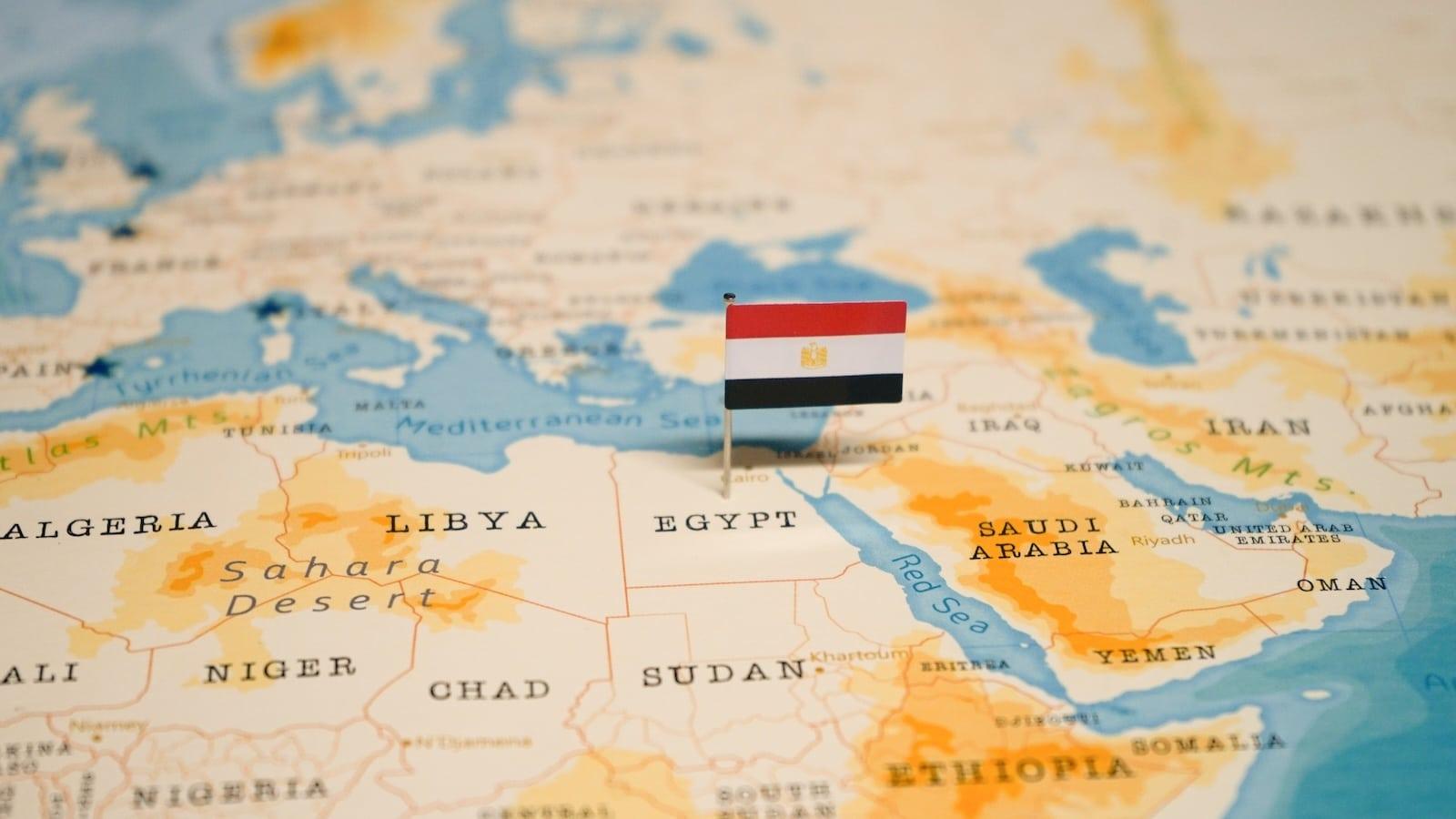
Egyptian Prime Minister Mostafa Madbouly said on Thursday that “We rely strictly on verified facts so we can respond appropriately,” as the state refused to act on conjecture about who perpetrated the attack.
The attack also drew international attention because Damietta is near the Suez Canal, and analysts quoted by Gulf News said the strike could be a high-risk message for American interests beyond the Gulf, with the port “more than 1,300 kilometres away from Iran and 2,000 kilometres from Yemen.”
Competing attributions
Iran denied responsibility and used the language of false-flag operations, with Iranian Foreign Minister Abbas Araghchi writing on social media that “We must all be vigilant against Israeli plots and false-flag operations designed to undermine regional peace.”
The BBC reported that it was not clear where the drone was launched or who was behind the attack, while it noted that Iranian forces and Iranian-backed armed groups have carried out similar attacks in the Gulf and Red Sea during the US and Israel’s war on Iran.
The Arab Weekly reported that analysts said the goal of the attack could be to drag Egypt into the conflict after months of Cairo acting as one of few diplomatic channels between Iran and the US, and it quoted King’s College London professor Andreas Krieg saying the attack “may have been calibrated to damage a United States-linked asset without killing Egyptians.”
In contrast, the Arab Weekly also cited Royal United Services Institute analyst HA Hellyer saying the distance makes it “unlikely that Iran would have struck Egypt directly from Iranian territory,” while allowing that regional allies could have done so via the Houthis in Yemen or Iran-aligned militias in Iraq.
Suez stakes and escalation
Egypt’s response framed the incident as a security and navigation concern, with the Egyptian Cabinet saying authorities were continuing investigations to determine the circumstances and “take the necessary measures to preserve Egypt's interests and national security.”
“take the necessary measures to preserve Egypt's interests and national security”
The BBC reported that the Damietta attack came hours after the US and Saudi Arabia carried out joint air strikes on Iran-backed armed groups in Iraq, and it said the strikes were described as an “extremely serious escalation” by Iraq’s paramilitary Popular Mobilisation Forces.
Gulf News warned that the attack raised fears for the only remaining safe maritime route for the world’s largest crude producer, and it said the port strike “marks a new milestone by crossing the Red Sea into the Mediterranean.”
Several outlets tied the incident to broader regional escalation dynamics, with the BBC stating that the attack disrupted global trade and caused oil prices to soar, while also noting that Egypt “has so far not been directly attacked by Iran.”