Gaza Genocide10 September, 20262 min read
Egypt’s Ministry of Education Adds Mohammed Al-Dura’s Image to Baccalaureate Curriculum
This article is an automated aggregation of coverage from news outlets. Our editorials offer in-depth analysis curated by the NewsCord team.
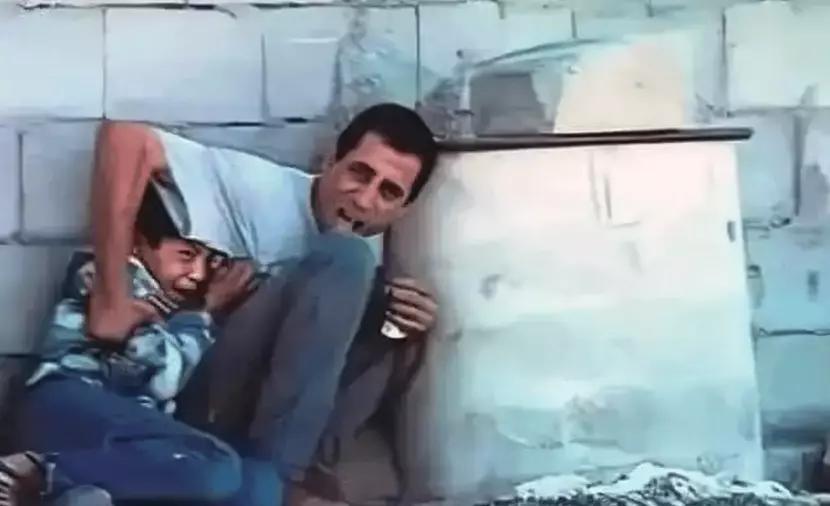
Egyptian Ministry of Education includes Mohammed Al-Dura's image in the Baccalaureate curricula Jamal al-Dura praised the decision as humanitarian and linking Palestine’s cause to new generations
9 outlets told this the same way.
Outlets did split on Thousands March in London Calling for Britain to Stop Arming Israel and Impose Sanctions →
Curricula add al-Dura image
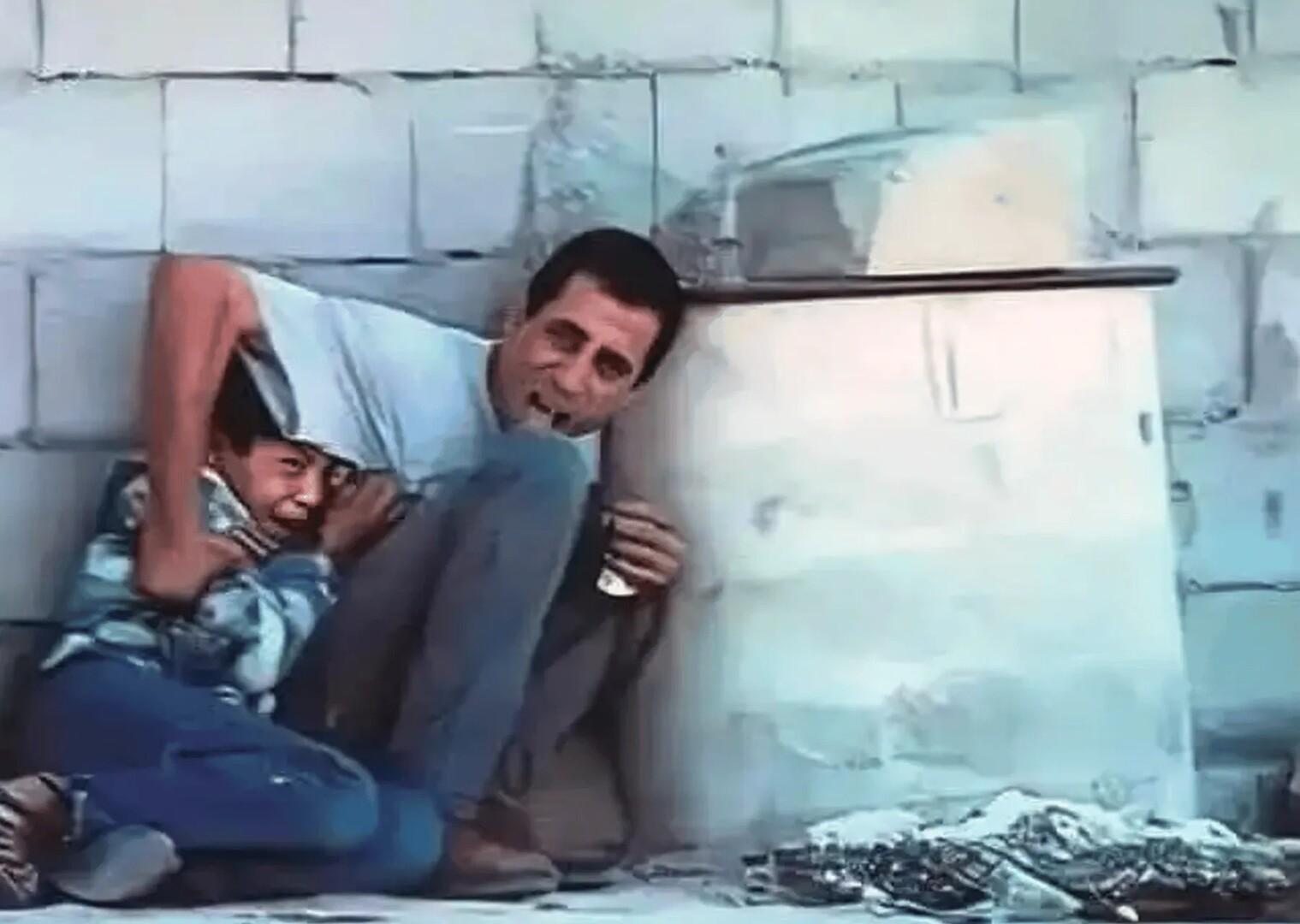
Egypt’s Ministry of Education included a picture of martyr child Mohammed al-Dura in the educational curricula, aiming to embody the tragedy of Palestinian children and eternalize his memory for future generations. The decision was framed as a shift that moved the Palestinian issue from “mere exposure through news bulletins and social media to the core of lectures and academic departments.” Jamal al-Dura, speaking in a meeting with Al-Ikhbaria news channel, said pride and pain seized him as his son’s image became an essential part of the education of the younger generation.
In a separate account, Jamal al-Dura praised the inclusion of his son’s image in the Egyptian baccalaureate, describing it as carrying deep humanitarian implications and embodying the entrenched status of the Palestinian cause among rising generations. The Al-Jazeerah Net report said the image returned to the forefront “from the pages of Egyptian educational curricula” after 26 years since his martyrdom on September 30, 2000.

Jamal al-Dura recounts losses
In the Gaza war, Jamal Al-Doura told journalist Hesham Al-Din Hussein on the program “90 Minutes” aired on Al-Masr channel that “80 of his cousins and relatives have died so far during the war on the Gaza Strip.” He said his family lost members including his son Ahmed and two of his brothers, the wife of one of his brothers, and his nephew Iyad and his only daughter. Al-Doura recounted that his son Ahmed, 33, was martyred during the recent war, and he described his son Mahmoud, 16, as shot in the foot before being detained by the occupation forces.
He added that Mahmoud was later handed over to the Red Cross organization, before his health condition deteriorated and doctors amputated his leg due to the neglect and torture he endured. Al-Doura described what befell his family as part of a “continuous genocide war targeting people and the stone without discrimination,” and he linked the curricula decision to his ongoing physical and psychological suffering from the injuries sustained during the incident.
Message to students, wider meaning
Jamal al-Durra urged Egyptian students to treat his son’s image as an entry point to understanding a human story, not just a relic from the past, stressing the need to look at the people behind the pictures whose stories are of suffering and pain. In a televised statement, he said: “I call you not to treat Mohamed’s image as a transient historical symbol; rather, recall through it the human story and the suffering behind each image.” He also sent a message that the cause would remain alive in awareness, ending with: “the cause will remain alive in awareness, long live Egypt, long live Palestine.”
The Al-Jazeerah Net report described reactions beyond media circles, saying activists and bloggers revived the image and recalled the scene that remained in memory since 2000. It also stated that the inclusion of al-Dura’s image in curricula allowed his story to reach a generation that was not yet born when the incident occurred, keeping it present as part of Palestinian and Arab memory.