
Supreme Court Lets President Donald Trump Fire Independent Agency Heads, Upholds FTC Firing
Key Takeaways
- The Supreme Court upheld Trump's removal of FTC commissioner Rebecca Slaughter.
- The Court blocked Trump's bid to fire Lisa Cook; some outlets reported a different ruling.
- The ruling overturned a nearly century-old precedent, expanding presidential control over independent agencies.
FTC firing expands power
The U.S. Supreme Court on Monday gave President Donald Trump sweeping new authority to fire the heads of most independent agencies created by Congress, striking down a federal law that barred the president from firing Federal Trade Commission members except for “inefficiency, neglect of duty, or malfeasance in office.”
“In major blow to independent agencies, Supreme Court upholds Trump firing of FTC commissioner Trump celebrated the landmark 6-3 decision as "one of the most important ever”
In a 6-3 decision, the court overturned the 91-year-old precedent Humphrey’s Executor v. United States and ruled that the president may remove “his subordinates at will,” while Chief Justice John Roberts wrote that “the President must have the assistance of officers he can trust.”

The ruling upholds Trump’s firing of Rebecca Slaughter, a Democratic appointee on the five-member Federal Trade Commission, after the White House notified her she had been “removed from the Federal Trade Commission, effective immediately.”
In dissent, Justice Sonia Sotomayor warned that the decision “distorts the structure of Government to fit the majority’s theory of unitary, total executive control,” and she said the result is “a President who emerges with far greater power than ever before.”
Fed Cook exception holds
While the court expanded Trump’s removal power for most independent agencies, it rejected his attempt to fire Federal Reserve Board Governor Lisa Cook, allowing her to continue in her post while legal proceedings proceed.
In a 5-4 decision, Chief Justice John Roberts wrote that accepting the administration’s arguments would “transform the Federal Reserve’s for-cause protection into at-will employment,” and the court said Cook was entitled to notice and an opportunity to respond before she was fired.
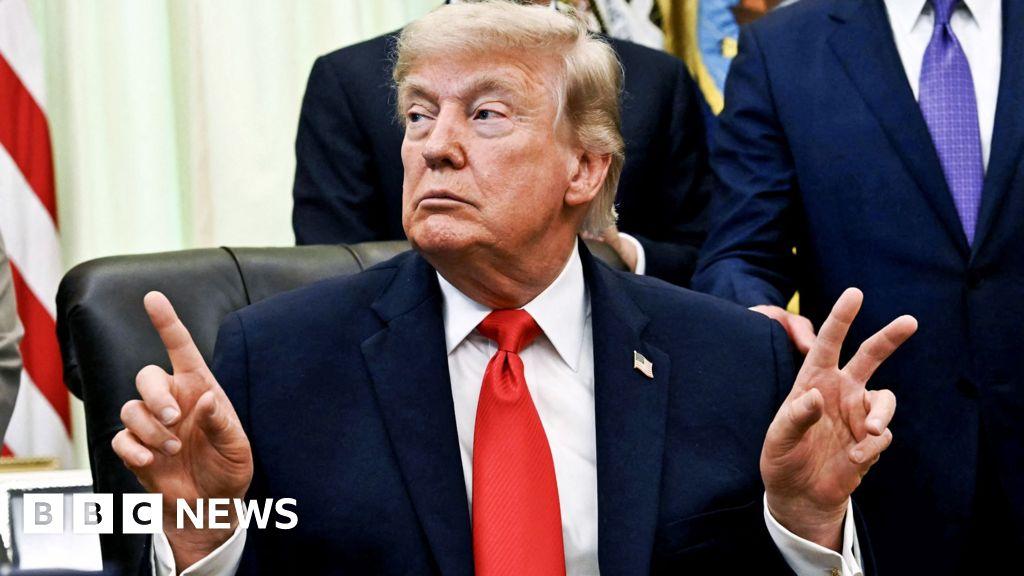
The BBC reported that the Supreme Court “rejected the president's bid to allow him to oust Cook from her role as Fed governor,” and it said the justices left the lower court decision intact while Cook’s challenge continues.
In response to the ruling, Trump indicated in a post on Truth Social that he would attempt to fire Cook again, writing that his administration “will take appropriate action immediately to make sure that someone who has committed wrongdoing will not be making vital decisions concerning the Welfare of the United States of America!”
What’s at stake next
The Supreme Court’s twin decisions—6-3 for the FTC and 5-4 for the Federal Reserve—set up a new removal regime that could reshape how Congress-created independent agencies operate, with the court’s majority saying the president’s executive power requires control over subordinates.
NPR reported that the FTC commissioners can only be fired for “inefficiency, neglect of duty or malfeasance in office” under the statute, but the court found Trump’s March 2025 firing of Rebecca Kelly Slaughter without cause lawful and said her removal was consistent with the separation of powers.
NBC News said the court’s logic applies beyond Slaughter to other agencies with similar restrictions, and it quoted Trump’s Truth Social celebration that “It is such an Honor to be the sitting President who won this Historic and Unprecedented Ruling, one of the most important ever given with respect to Presidential Powers.”
At the same time, the Guardian described the Fed decision as a departure that protects the central bank “while she fights unproved allegations of mortgage fraud,” and it said the case centered on Cook’s 14-year term scheduled to expire in 2038.
More on USA
FBI Director Kash Patel Disclosed $250,000 Strategy Stock Purchase Six Months Late
14 sources compared

US Deportation Flight Lands in Venezuela Hours Before Earthquakes Kill Abelardo Rincón
10 sources compared
U.S. Supreme Court Rejects Trump Bid to End Birthright Citizenship in 6-3 Ruling
24 sources compared
Todd Blanche Orders DOJ Crackdown on Birth Tourism After Supreme Court Upholds Birthright Citizenship
17 sources compared