Iran · updated 1h ago · 2 min read
Esmail Qaani Calls To Strengthen Iran’s Axis Of Resistance From Afghanistan To Yemen
Qaani urges strengthening Tehran-backed Axis of Resistance from Afghanistan to Yemen. IRGC hails US withdrawal from Iraq as historic victory for the Resistance Front.
Whether US presence ended completely.
7 of 8 outlets skipped it: claims about increased Fatemiyoun militia activity in Iran.
Tehran Times was read line by line by the Watchdog: 3.5. See the score →
10outlets compared
Same story, two versions
tap a side to read it in full
The National
“‘The US, despite possessing vast resources and equipment, has been expelled from Iraq … thanks to the resistance of the Iraqi nation and the heroes of the Resistance Front,’ Brig Gen Qaani was quoted by Iranian state media as saying.”Read the original ↗
Iran News Update
“Kayhan therefore characterized the withdrawal as having a political and propaganda dimension rather than representing a complete end to the American military presence in the region.”Read the original ↗
Iran News Update and The National disagree on whether withdrawal means expulsion or only a changed form of US presence.
Qaani hails U.S. exit
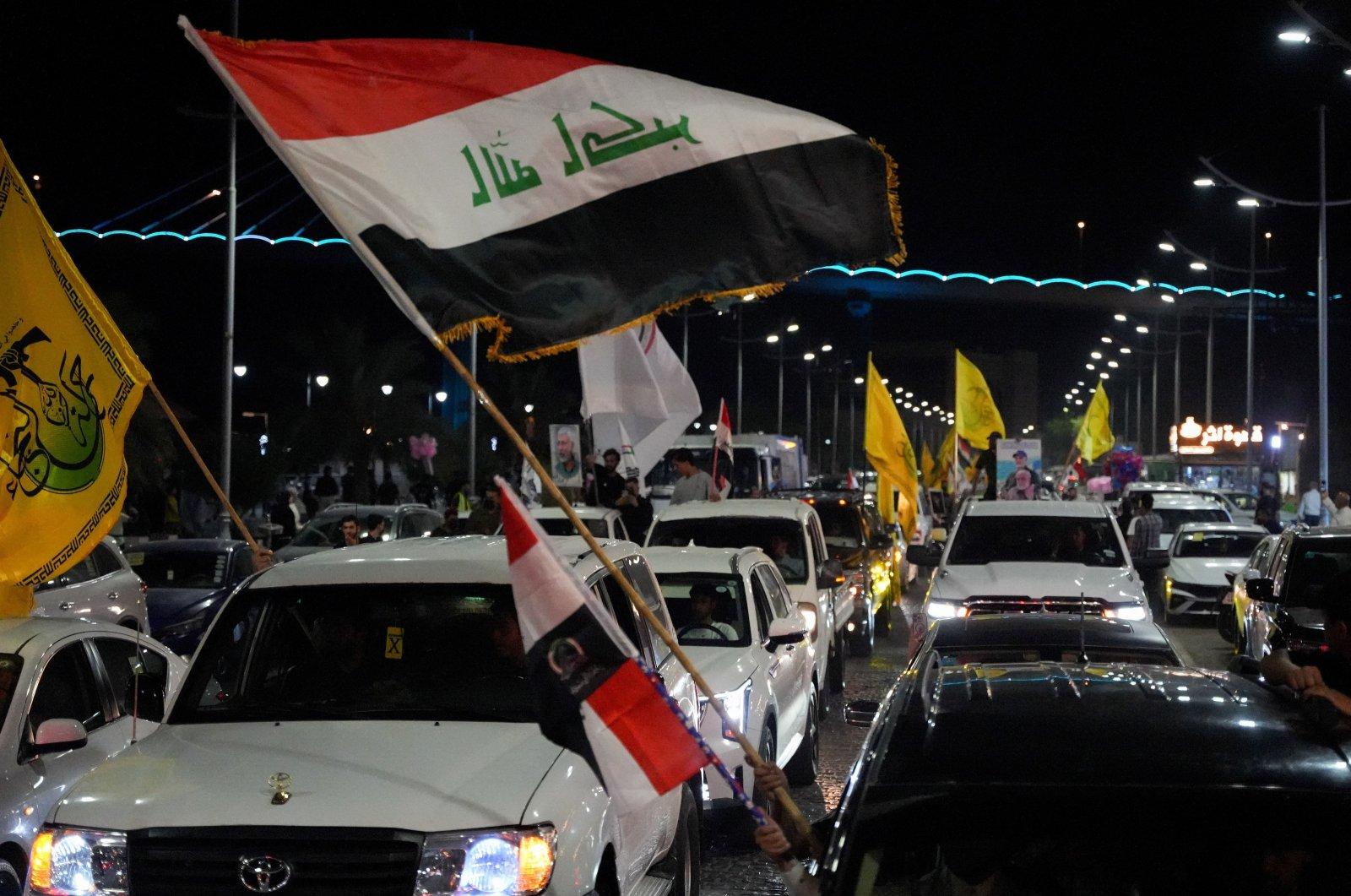
Brigadier General Esmail Qaani, commander of Iran’s Islamic Revolutionary Guard Corps (IRGC) Quds Force, called for strengthening Tehran-backed groups known as the “Axis of Resistance” from Afghanistan to Yemen and from Iran to Gaza and Lebanon, while speaking at a ceremony in Tehran on Thursday evening. Qaani also hailed the withdrawal of US forces from Iraq as a victory, saying the United States had been expelled from Iraq despite all its capabilities and equipment. Qaani attributed the development to resistance by the Iraqi people and forces aligned with Iran, and he said Iraqis had celebrated the withdrawal of US forces.
“He also hailed the withdrawal of US forces from Iraq as a victory.”
Qaani described Iran’s required next step as strengthening its belt of defence, independence and dignity from Afghanistan to Yemen and from Iran to Gaza and Lebanon across the Islamic world. Qaani said the United States had believed it could force Iran to surrender within four days or, at most, two weeks, but encountered circumstances different from those it had anticipated.

Regime media split
The IRGC described the U.S. departure from Iraq as a “historic victory” for what it calls the Islamic Resistance Front, and it congratulated the Iraqi people and the “united front of the Islamic Resistance.” Kayhan, affiliated with the office of the supreme leader, argued in a September 30 editorial titled “End of Occupation or Its Transformation?” that what took place was not the expulsion of a foreign occupying power but a change in the form of the U.S. presence. Javan similarly acknowledged that the withdrawal did not mean a complete end to the American presence in Iraq, while presenting the U.S. departure as a significant indication of changes in the region’s security arrangements.
The IRGC also warned against what it described as possible U.S. “plots” and called for vigilance, while urging regional countries to take responsibility for their own security. The Iranian regime’s public messaging therefore celebrated the withdrawal while other outlets questioned whether the American presence had truly ended.
Iraq’s weapons deadline
Iraqi Prime Minister Ali al-Zaidi set June 30, 2027 as a new deadline for armed factions to hand their weapons over to the state, after backing away from an original Sept. 30 deadline.
The Islamic Resistance in Iraq said negotiations with the government on weapon regulation had not led to an agreement and that it was “not bound by any timetable or agreement” announced by the government or any political party.
The IRGC-linked narrative framed the U.S. withdrawal as a step toward ending foreign domination in West Asia, while also calling for American troops to leave the Middle East entirely.
Qaani said the development reflected the determination of the Iraqi people and the role played by resistance groups in opposing the American military presence, and he called for closer coordination among Iraq’s government, state institutions and resistance groups.
The dispute over disarmament became the immediate test for the new phase after the coalition mission ended, with the June 30, 2027 deadline now central to whether Iraq can place weaponry under state authority.