Iran04 October, 20262 min read
Mohsen Rezaei Says Iran’s Next Enemy Mistake Will Open New Fronts
This article is an automated aggregation of coverage from news outlets. Our editorials offer in-depth analysis curated by the NewsCord team.
Iran vows new fronts and bigger surprises after enemy blunder. IRGC says major technological advances yield surprises for enemies.
7 outlets told this the same way.
Outlets did split on Iran Reviews US Negotiation Proposals As Pakistan And Qatar Mediate Strait Of Hormuz Dispute →
Hormuz, conditions, and threats
Iran’s top security official, Major General Mohsen Rezaei, said the enemy’s next mistake against the Islamic Republic will open “new fronts” and bring “bigger surprises.” Rezaei said the enemy’s past miscalculations had led to “heavy defeats,” and he expressed confidence that Iran would overcome “the current complicated circumstances” with support from the Iranian people and coordination among branches of the Islamic establishment.
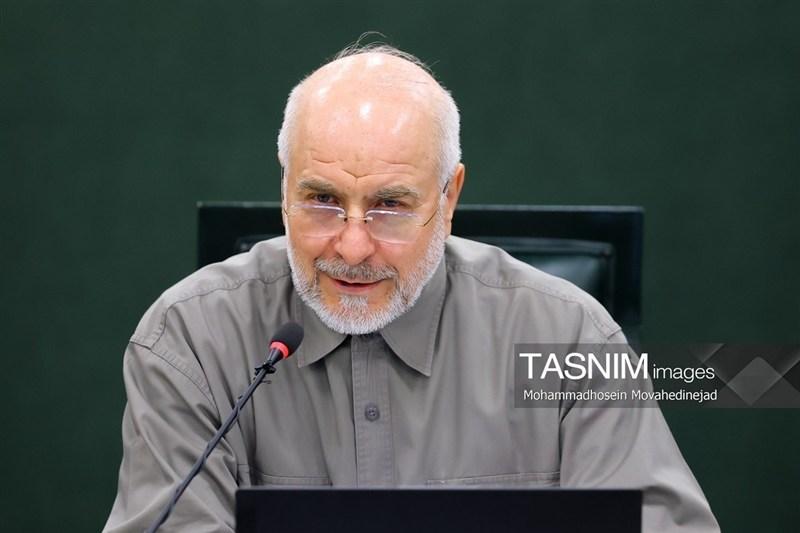
Iran’s parliament speaker Mohammad Baqer Qalibaf warned that Iran will confront adversaries with new surprises while pursuing military and diplomatic strategies in parallel, and he said Washington had conveyed proposals through mediators despite contradictory public statements. Qalibaf said the Strait of Hormuz would remain closed until all seven Iranian conditions stipulated in the Islamabad memorandum of understanding were met, and he framed the stance as “completely clear and definitive.”

Private proposals, public hostility
Iran accused the Trump administration of sending secret peace proposals through intermediaries while speaking harshly in public, and the accusation was attributed to comments shared on social media by Mohammad Bagher Ghalibaf. The investingLive account said the comments were unverified and that Ghalibaf, as reported, declared that Tehran would reject new peace proposals from the United States sent through intermediaries and keep the Strait of Hormuz closed until its seven conditions were met.
Qalibaf told a parliamentary session that the time for “buying time” and imposing unilateral demands had ended, and he said Iran would confront the United States and Israel with new surprises on the military front. Qalibaf also said, “We base our actions on the enemy’s real behavior and actions, not on rhetoric and false dichotomies in the media,” as he described Washington’s shifting messages as “cognitive warfare.”

Control, distance, and future surprises
An IRGC commander, Major General Mostafa Izadi, said Iran’s armed forces will employ new “technological surprises” against the enemy in case new aggression. Izadi said the armed forces have made major strides in the ground, air, air defense, and naval fields, and he added that some technologies have already been employed on the battlefield while others are slated for future use.
PressTV said Iran has maintained full control over the Strait of Hormuz since the outbreak of the US-Israeli aggression in February, and it quoted Izadi saying US forces had retreated “more than 500 kilometers” from the Persian Gulf and the Sea of Oman out of fear of Iran’s ballistic missiles. Rear Admiral Habibollah Sayyari said the western part of the Strait of Hormuz, the strait itself, and the Persian Gulf are under the full control of the IRGC Navy, while the eastern part of the Strait of Hormuz and the northern Indian Ocean are under the full control of the Army Navy, and he warned that Iran would not reopen the waterway until the United States meets its demands and restores Iran’s trust.