Russia · updated 1h ago · 2 min read
EU Lifts Sanctions on Alisher Usmanov and Mikhail Fridman, Extending Sanctions on 3,000 Others
EU removes Alisher Usmanov and Mikhail Fridman from sanctions list after compromise. Around 3,000 Russian individuals and entities remain sanctions for three years.
Whether France's motives were confirmed vs merely implied.
9 of 11 outlets skipped it: turkey/Azerbaijan/Uzbekistan lobbying and an alleged hostage-exchange angle.
35outlets compared
Same story, two versions
tap a side to read it in full
EUobserver
““We [France] have a specific national security issue and wish to respond positively to our international partners, who are approaching us regarding Mr. [”Read the original ↗
DW
“According to AFP, diplomatic sources say the demand was linked to a potential prisoner release deal involving French nationals held in Azerbaijan.”Read the original ↗
EUobserver says France cites “national security” without details, while DW adds an AFP-sourced prisoner-release linkage.
EU delists two oligarchs
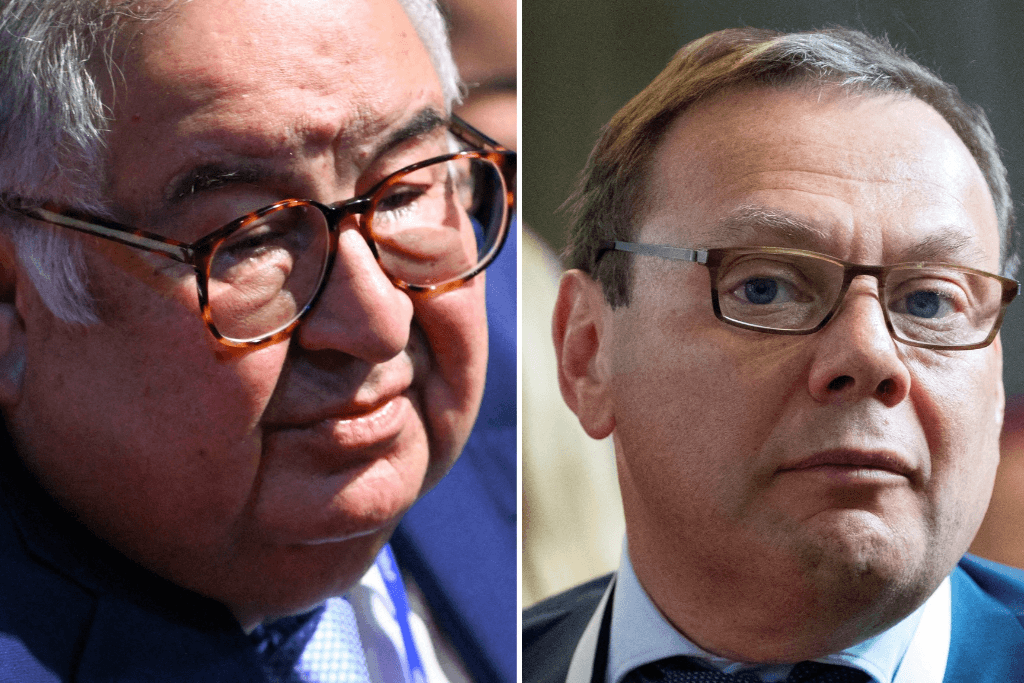
The European Union reached a compromise to lift sanctions on Russian billionaires Alisher Usmanov and Mikhail Fridman while extending sanctions on roughly 3,000 other individuals, entities and companies linked to Russia’s war in Ukraine. Ireland’s rotating presidency spokesman said the compromise would involve an extension of the regime for 36 months, until 22 September 2029, and the decision was also taken to delist certain individuals under the regime. The negotiations culminated ahead of a Wednesday deadline that required unanimity among EU countries to be approved, with the risk that sanctions would expire without acceptance by all member countries.
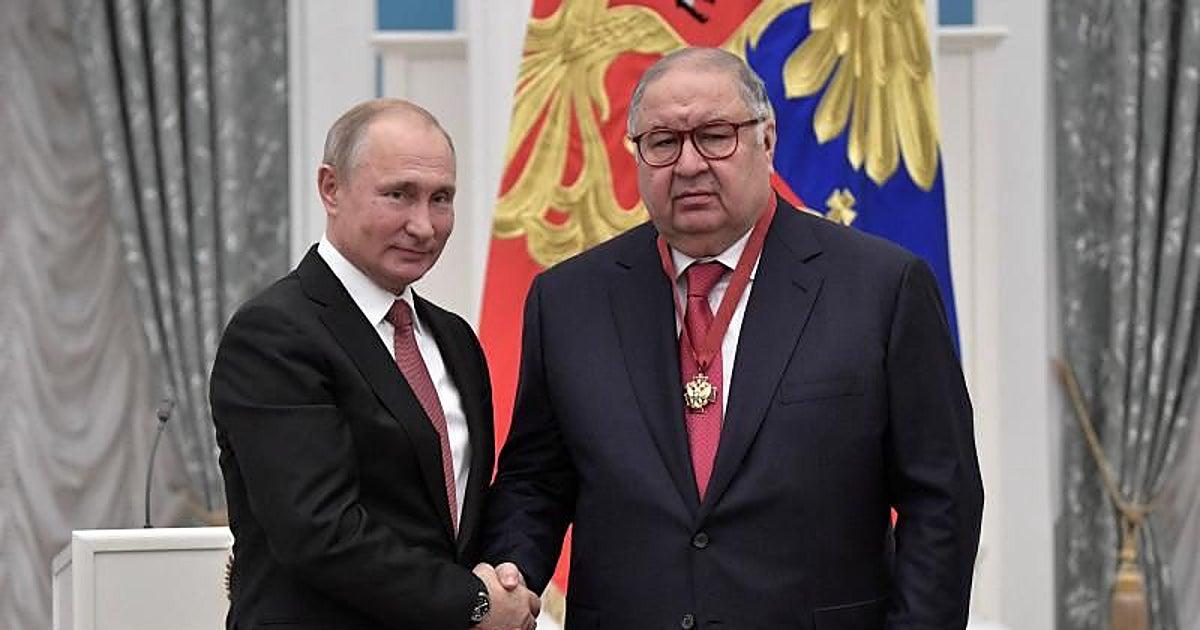
France pushed for the removal of Usmanov and Luxembourg demanded that Fridman be removed as well, and the compromise avoided another squabble over the sanctions for three years. Ukraine denounced the delisting as “shameful and unjustifiable,” while the EU said it was prolonging the sanctions regime for 36 months to avoid further showdowns.
Latvia blocks, then abstains
Latvian Prime Minister Andris Kucinskis wrote “Latvia cannot accept such a proposal” as Latvia opposed the principle agreement to remove Usmanov and Fridman from the EU sanctions list. Latvia then yielded to the pressure and said it had secured stronger cooperation with France in defense, with Kucinskis asserting “President Macron agreed to begin negotiations with Latvia regarding our country’s accession to the French nuclear deterrence initiative.” The dispute played out as EU capitals reached agreement after Latvia agreed to abstain, and diplomats said the sanctions list was expected to remain in place for three years, effectively postponing further discussions on individual listings until 2029.
A Brussels-based diplomat told AFP that France was pressuring within the framework of a prisoner-release deal involving French citizens detained in Azerbaijan, while another European diplomat fumed that “This really sends the signal that you can get the list removed by using blackmail.” Kaja Kallas urged the 27 to maintain the sanctions policy, arguing it must remain the “heart” of Europe’s policy to pressure Moscow, on the sidelines of the UN General Assembly in New York.
What changes next
The EU’s compromise extended sanctions on around 3,000 other actors for 36 months, with the measures described as asset freezes and travel bans within the territory of the 27 member states. The decision left Kyiv pressing for national sanctions, and Dmytro Kuleba protested that the removal of the two oligarchs was “unacceptable and would send a bad signal to Moscow at a time when pressure must be intensified.” The Kremlin spokesman Dmitry Peskov said Moscow viewed the sanctions on Usmanov and Fridman as “illegal” and argued that sanctions should be lifted for all Russian citizens.
France invoked “national security reasons” for its request to lift sanctions on Usmanov, while Luxembourg argued that its case to maintain EU sanctions on Fridman could be weakened if Usmanov alone were removed. Mikhail Fridman initiated an arbitration proceeding to obtain 15 billion euros in reparations from the Grand Duchy following these EU sanctions, and the EU’s next renewal cycle was set to run until 22 September 2029.