Europeupdated 1h ago3 min read
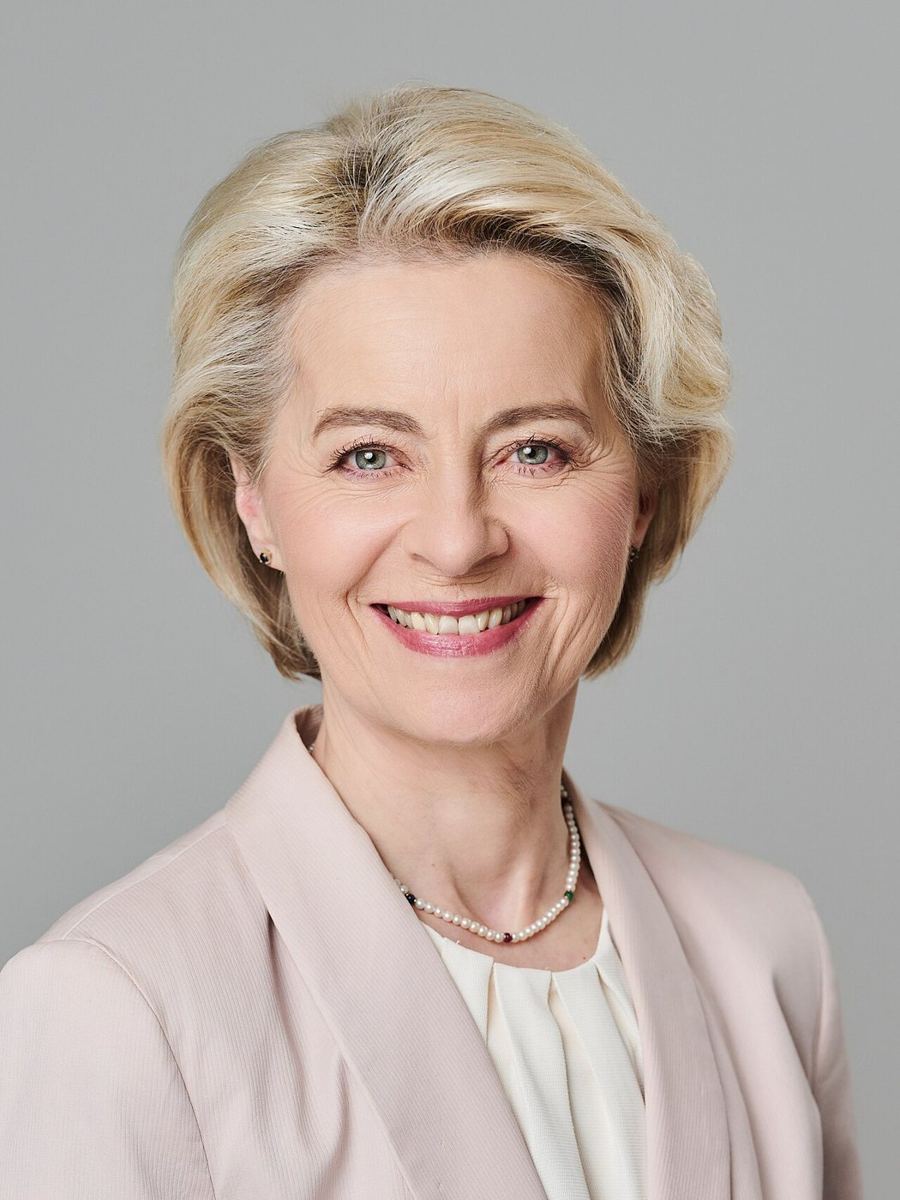
Archive photo · 27 March 2024EU Member States Block Ursula Von Der Leyen’s Associate Membership Plan For Canada
8 Western Mainstream1 West AsianPhoto: European People's Party, CC BY 2.0 · Cropped for layout
This article is an automated aggregation of coverage from news outlets. Our editorials offer in-depth analysis curated by the NewsCord team.
EU dropped associate membership designation for Canada; replaced with 'ever closer association' language. German objections led by Chancellor Merz blocked the term in the draft declaration.
Save coverage image
Canada EU title dropped
European Union member states blocked a proposal by European Commission President Ursula von der Leyen to grant Canada an “associate member” status, and they removed the term from a draft declaration for an EU-Canada summit in Montreal. Chancellor Friedrich Merz and other EU leaders pushed to delete the wording, and the revised text instead calls for a plan to develop “closer ties” between Canada and the EU without membership. The revised declaration is expected to be published on Friday at the end of the two-day summit, and it is set to be adopted after EU states approved it on Wednesday evening in a written procedure.
Canadian Prime Minister Mark Carney and von der Leyen are attending the talks, and Carney played down the dispute over terminology by saying the precise wording mattered less than the practical benefits of closer cooperation. The summit is scheduled for October 29 to 30 in Montreal, and Al Jazeera said the meeting is expected to focus on closer cooperation on trade, technology, defence, energy, critical minerals, artificial intelligence, research and financial services.
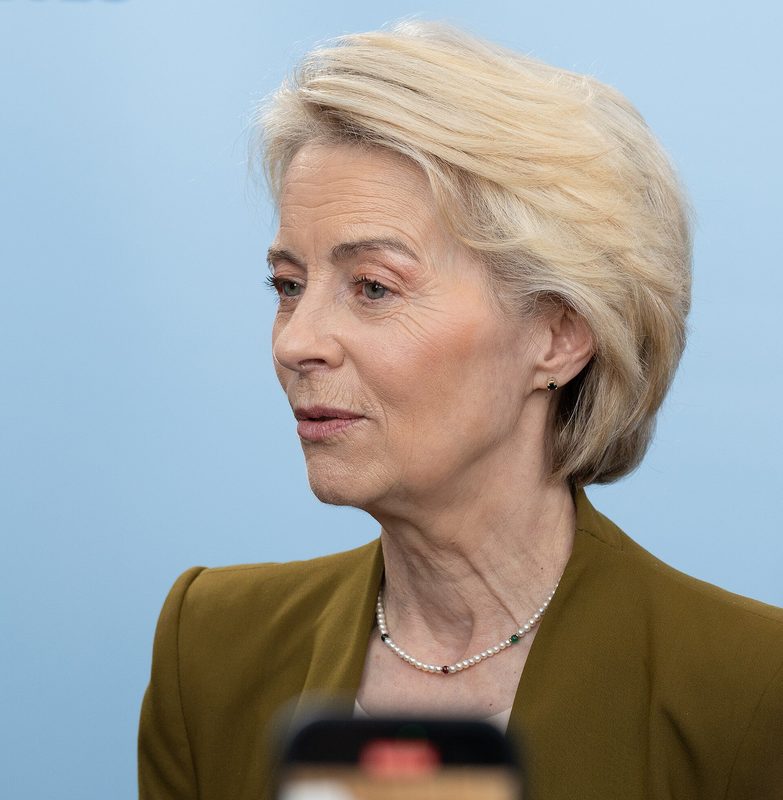
Alliance for the future
European Council President Antonio Costa said, “In Montreal, we will take our partnership to the next level by launching our ‘Alliance for the Future’,” as he attended the summit with Carney and von der Leyen. Carney’s office described the opportunity as clear, saying, “The EU brings market power, research depth, and manufacturing strength,” while Canada brings “abundant energy, critical minerals, world-class capabilities in space, artificial intelligence (AI), and quantum.” CBC News reported that the draft joint statement expected to be released at the summit removed the words “associate membership,” while von der Leyen continued to use the term in a social media post as she landed in Montreal on Wednesday.
Carney told reporters on Tuesday before a cabinet meeting that “The good news is it doesn’t matter about specific names or nomenclature,” and he said what matters is the difference it will make to the lives of Canadians. Al Jazeera linked the push for deeper Canada-EU alignment to US President Donald Trump’s policies, including tariffs that whipsawed relations and prompted Canada to look for ways to reduce economic dependence on the United States.
What is at stake
The revised summit declaration aims to deepen partnership while watering down commitments, and it removed an explicit goal of deeper financial market integration that had been in the earlier draft. The declaration also calls for a study into the feasibility of increasing Canadian liquefied natural gas exports to Europe, and it includes plans for an economic council to bring together businesses from both sides of the Atlantic. Al Jazeera said the EU describes Canada as “the only non-European country” taking part in Security Action for Europe (SAFE), and it said the EU concluded its agreement with Canada in February to allow Canadian firms preferential access and treatment in defence procurements.
The Globe and Mail reported that EU states were trying to boost two-way trade and investment to reduce economic and strategic reliance on the increasingly protectionist and unpredictable United States under President Donald Trump. DW said the dispute over wording reflected concerns about the lack of clarity in the proposed arrangement and insufficient consultation between the European Commission and EU member states, with Germany, France and Italy among the countries that raised objections.