Ukraine War24 September, 20263 min read
Finland’s President Alexander Stubb Urges Elon Musk To Expand Starlink For Ukraine Missile Launcher Strikes
This article is an automated aggregation of coverage from news outlets. Our editorials offer in-depth analysis curated by the NewsCord team.
Stubb urged Musk to expand Starlink coverage into Russia to assist striking missile launchers. Expanding Starlink would help Ukraine locate Russian missile launchers amid air-defence shortages.
5 outlets told this the same way.
Starlink, Winter, and Missiles
Finland’s President Alexander Stubb urged SpaceX owner Elon Musk to expand Starlink satellite internet coverage so Ukraine could strike Russian ballistic missile launchers located inside Russian territory, with Stubb arguing it could help Ukraine locate and target mobile launchers before they fire missiles. Elon Musk switched on the Starlink service over Ukraine shortly after Russia’s full-scale invasion in 2022, and the service has become the “lifeblood of Ukraine’s battlefield communications” while not working over Russian territory. Russian strikes on infrastructure and key export industries deepened Ukraine’s budget crisis, and the daily cost of the war grew to about $190m this year.
El Mundo warned that, starting July 2026, Russians began to use ballistic missiles more and more while Ukrainians had fewer Patriot PAC-3 interceptors to confront them, leaving “almost no time to reach shelter” when alarms sound. Daytime attacks began to be systematic in August with jet-powered drones, and the prospect of a winter worse than last year weighs on the Ukrainian psyche through lack of heating, electricity, and sometimes running water.
Nato Warnings and Kyiv Deaths
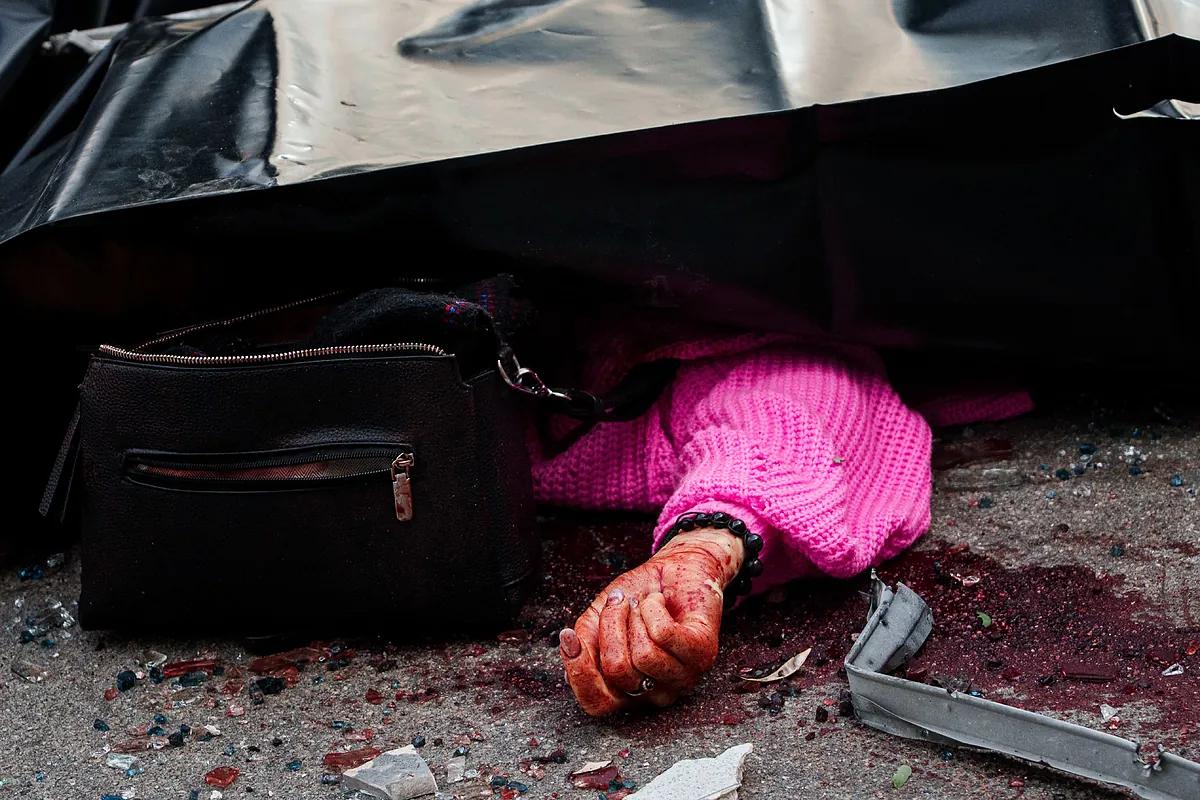
Danish intelligence warned that Russia could launch a “low but growing risk” of long-range strikes on Nato infrastructure supporting Ukraine or carry out a limited incursion into a neighbouring country with a small number of troops, potentially operating without insignia. Nato secretary general Mark Rutte said he believes the rising number of hybrid incidents in Nato countries shows that Vladimir Putin is losing the war in Ukraine, and he told citizens of the 32 Nato countries to remain calm. Russian drone and missile strikes on Kyiv and Ukraine’s north-east killed eight people on Thursday, with attacks including a maternity hospital and a farm.
Volodymyr Zelenskyy said on Telegram, “As people were sleeping, flashes from explosions lit up the sky,” and the report said police also described damage in Kyiv including nine homes, a post office, warehouses and dozens of cars. Prosecutors said a separate Russian attack on a vegetable storage facility at a farm in a village of the north-eastern Kharkiv region killed six people and injured a further 12.

Partners, Sanctions, and Urgency
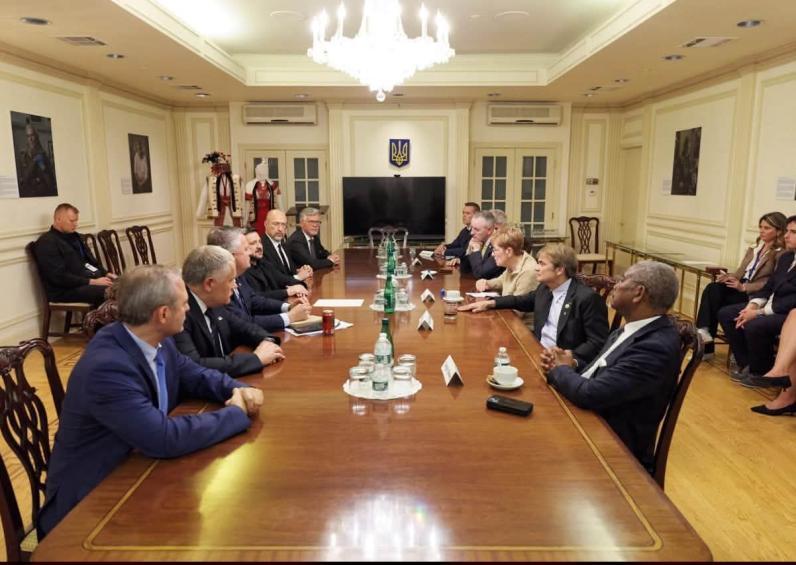
The United Nations Security Council “could not impose a response to the aggressor because Russia holds veto power there and is a nuclear power,” and Ukraine’s partners provided “extraordinary support” that was gradual. Many arms systems were initially excluded and some usage restrictions were relaxed, while a type of weapon delivered six months later reaches another battlefield where the adversary has fortified positions and dispersed stockpiles. Volodymyr Zelenskyy met with senior Wall Street executives on the sidelines of the UN general assembly in New York to attract investments to help finance rebuilding efforts, with the meeting focused on helping Ukraine get through the winter and supporting its economy.
“Time is not unlimited” and Russia continues to strive to reach a breaking point where the war tilts in its favor, while Ukraine’s partners must use time so its passage does not become ground ceded. The European Union still holds about 210,000 million euros of the Russian Central Bank immobilized, with returns supporting Ukraine while the principal remains intact.