Cryptoupdated 32m ago2 min read
Archive photo · 26 August 2011Four Senate Democrats Warn SEC Token Securities Exemption Creates Money Laundering Blind Spot
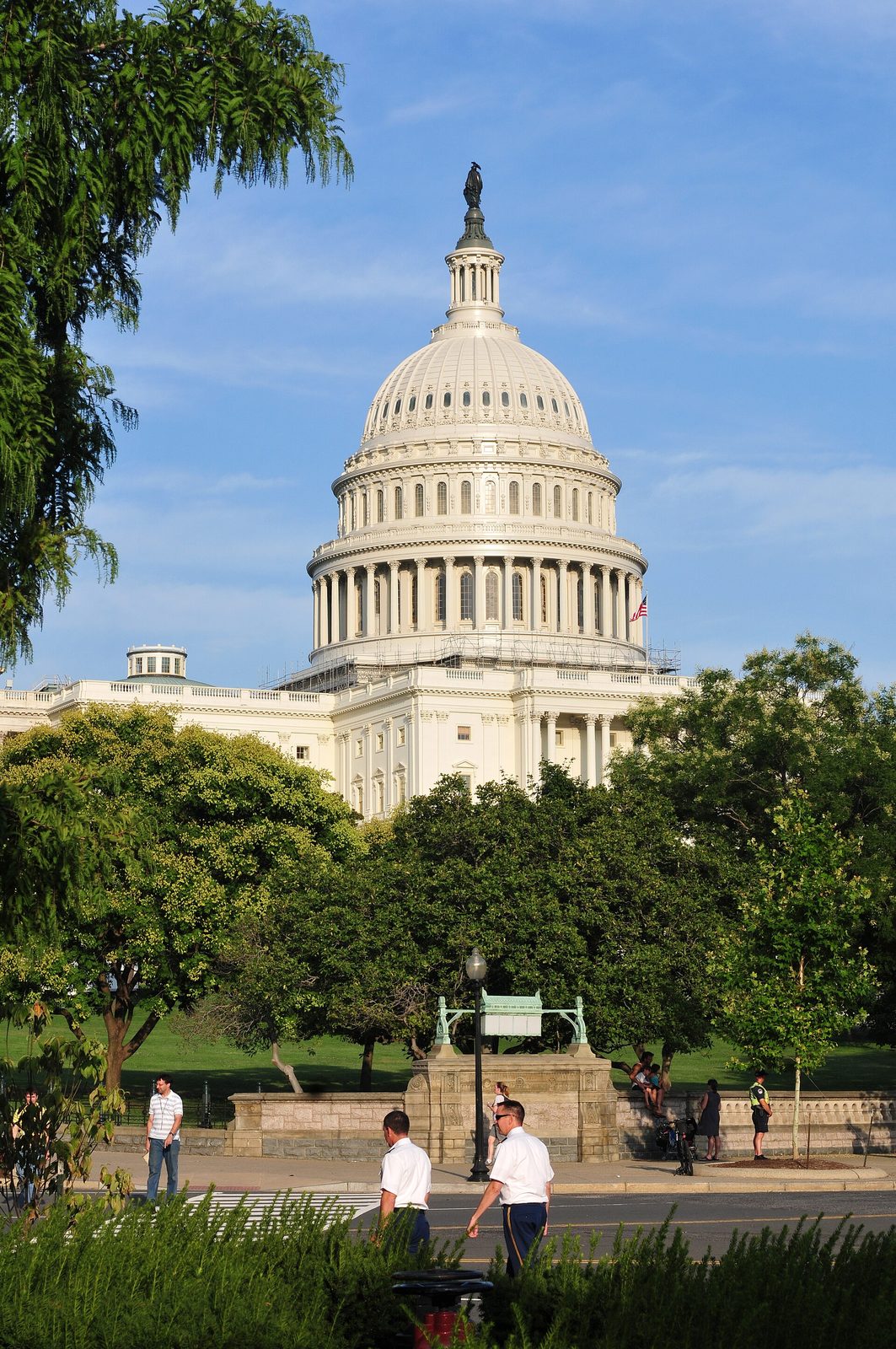
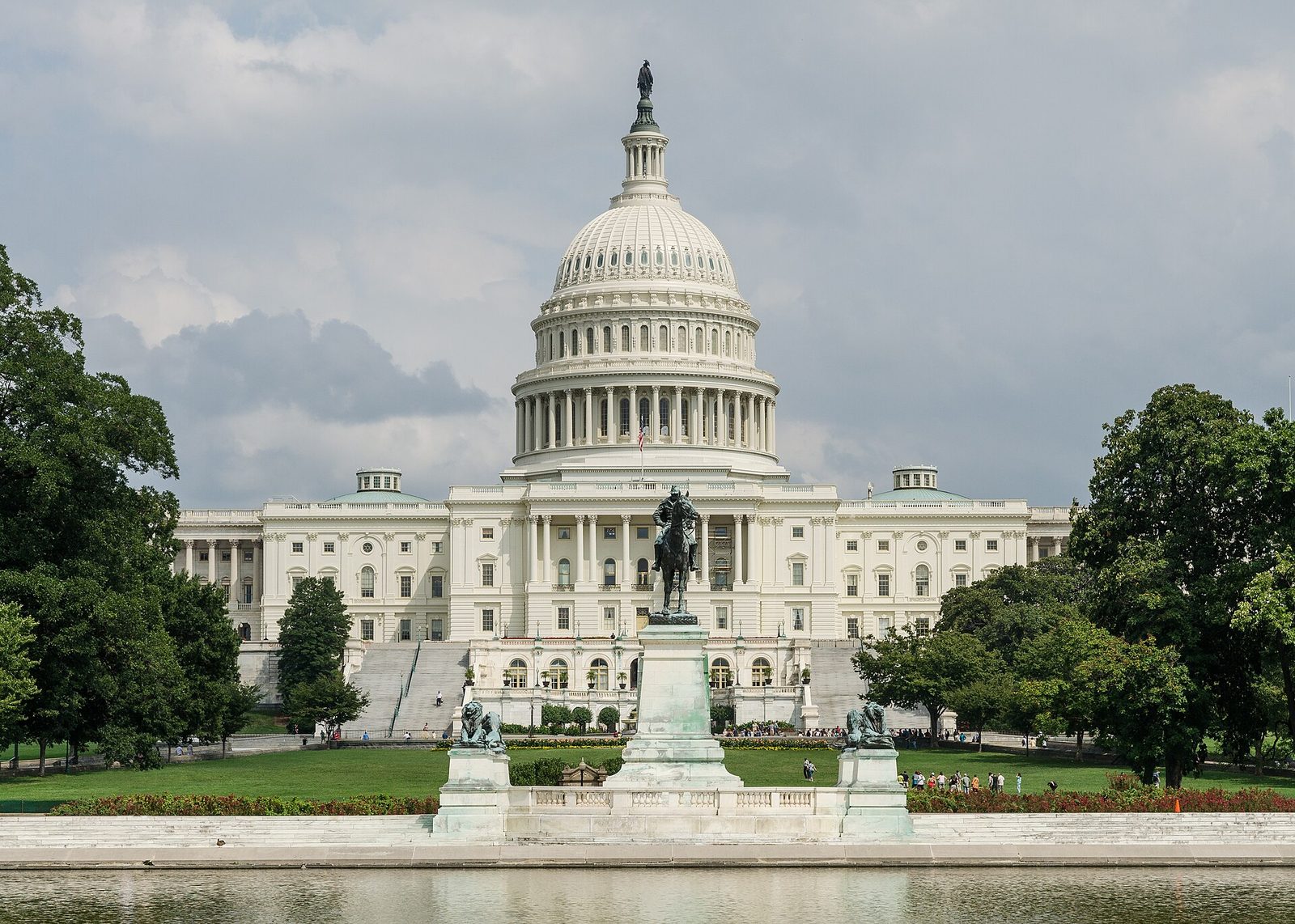
5 Other2 Western AlternativePhoto: DXR, CC BY-SA 4.0 · Cropped for layout
This article is an automated aggregation of coverage from news outlets. Our editorials offer in-depth analysis curated by the NewsCord team.
Four Democratic Senators seek clarity on tokenized stock exemption AML/KYC gaps. Question responsibility for off-regulated transfers and SEC ability to freeze tokenized shares.
Save coverage image
7 outlets in this story. Read their headlines below.
SEC exemption under fire
Four U.S. Senate Democrats warned that the Securities and Exchange Commission's exemption for token securities trading creates a "Blind Spot" in money laundering oversight, in an open letter to SEC Chairman Paul Atkins.
Senators Angela Alsobrooks, Ruben Gallego, Mark Warner and Catherine Cortez Masto said the exemption does not specify how know-your-customer and anti-money-laundering obligations apply to transactions, potentially creating a regulatory void.
The lawmakers argued that safeguards for price transparency are insufficient and asked Atkins for written answers on how AML compliance standards will be enforced and on disclosure and self-verification plans.
The SEC declined to comment on the letter, while the exemption in question was announced in September as a five-year measure for certain token securities trading platforms from formal exchange registration requirements.
The dispute also tied to the lawmakers' involvement in negotiations over the CLARITY Act, with Democrats holding oversight authority over key congressional committees dealing with digital assets.
13 questions and timelines
Four Democratic senators asked Atkins to answer 13 questions within 30 days about the SEC tokenized stock exemption, focusing on financial crime safeguards, investor protections and companies' rights to object.
The senators said the SEC's Sept. 17 Innovation Exemption requires venues to control trading access but does not mandate restrictions on subsequent transfers, and they pressed for clarity on who would be responsible for tokens moved outside regulated platforms.
The lawmakers also asked whether the SEC could freeze or recover tokenized shares after an off-platform transfer, and they raised concerns about retail investors' access to best execution protections and custody safeguards.
OKXICE, a venture between crypto exchange OKX and Intercontinental Exchange, published a notice on November 5 listing 67 companies that objected to trading of their tokenized shares.
The SEC's assurance when announcing the exemption was that federal anti-fraud and anti-manipulation rules would continue to apply in full, according to the senators' framing.
Issuer objections and next steps
The senators' letter also raised the question of whether issuers can opt out of tokenizing their securities, and it asked for mechanisms to ensure trading venues comply with SEC requirements. The lawmakers said the exemption's scenario could allow a verified investor to transfer tokenized stocks to an unverified wallet, including one owned by a foreign person or an actor involved in illicit financial activity. The letter urged more transparent rulemaking and demanded responses within 30 days, while it also noted that issuers can file an objection only within 30 days of receiving a notice from the trading venue.
In a separate development, crypto exchange Backpack said it had secured Commodity Futures Trading Commission approval to establish a US derivatives exchange and clearinghouse using blockchain infrastructure, paving the way for leveraged crypto perpetual futures trading. CFTC Chair Michael Selig said blockchain-based operators must meet the same regulatory standards as traditional firms, including AML, customer protection and market surveillance requirements.