Lebanon01 July, 20262 min read
Framework Agreement Shifts Israel-Hezbollah Conflict Into Lebanon’s Political Factions, Lebanon Says
This article is an automated aggregation of coverage from news outlets. Our editorials offer in-depth analysis curated by the NewsCord team.
Lebanon demands full Israeli withdrawal from its territories. Lebanon conditions Rome talks on withdrawal from two pilot zones.
Framework, factions, and pressure
Lebanon is being pulled into a new phase of the Israel-Hezbollah conflict after a trilateral Framework Agreement signed by Lebanon, Israel, and the United States, with the agreement shifting the dispute into “a war among the Lebanese political factions themselves.” Arab America contributing writer Ghassan Rubeiz says the Framework Agreement makes Israel’s withdrawal contingent on Lebanon disarming Hezbollah, calling it “an unrealistic requirement given the relative weakness of the Lebanese Armed Forces (LAF).”
The same source frames the dispute as a clash between Israel’s occupation and Hezbollah’s armed role, arguing that Washington treats Israel as a sovereign state while casting Hezbollah as a terrorist organization to be eliminated. Rubeiz also links the negotiations to regional dynamics, writing that “Syria’s foreign minister visited Beirut last week” and expressed interest in meeting Hezbollah leadership “if necessary.”

Rome talks and Hezbollah rejection
A diplomatic source told AFP that Lebanon will attend the next round of direct negotiations in Rome only if Israel withdraws from two “pilot zones” in the south, with the talks scheduled for July 15 and 16. The AFP account says the framework agreement reached after five rounds of US-sponsored talks in Washington calls for Hezbollah’s disarmament and a gradual Israeli withdrawal while Lebanon’s army deploys into “pilot zones,” but it “does not set a timetable for Israel’s withdrawal.”
Hezbollah leader Naim Qassem rejected the framework agreement, saying “Not a single clause of this agreement shall pass,” and insisting that “there is no solution other than an Israeli withdrawal in return for the Lebanese Army's deployment south of the Litani.” The AFP report also says Lebanese President Joseph Aoun’s expected visit to Washington later this month is at the invitation of Donald Trump, and that Aoun described it as reflecting “the United States’ support for the path to finding a lasting solution.”
Ceasefire zones and next moves
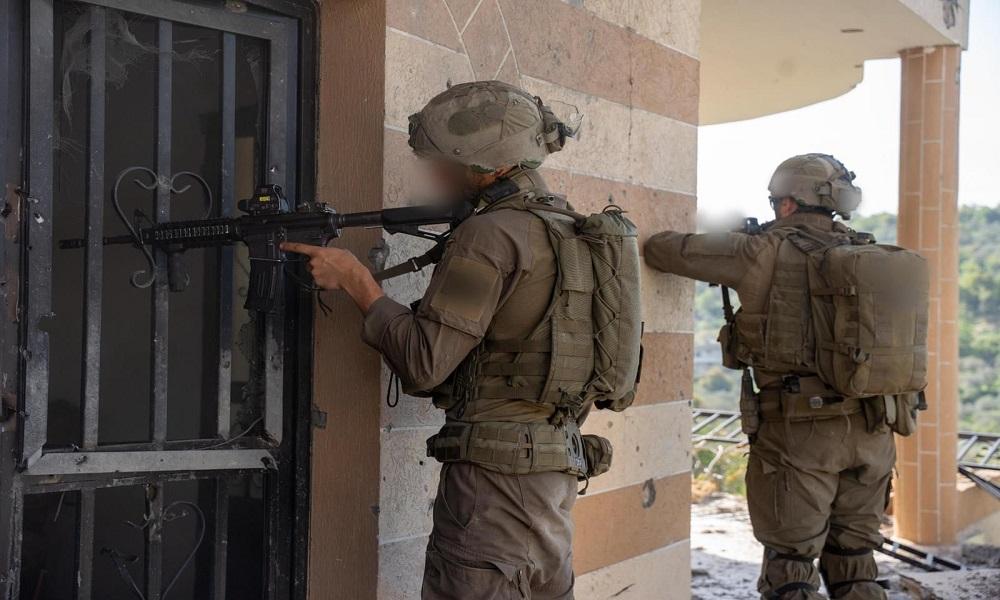
In southern Lebanon, field sources reported Israeli forces withdrawing from the town of Dibin in the Marjeyoun District, while the Lebanese Army moved toward the area to open roads and reorganize movement inside the town with UNIFIL accompaniment. Ain Libya reports that the ceasefire framework includes “experimental zones” where the Lebanese state, through its army, would have exclusive security control, excluding “any armed presence not affiliated with the state, including in areas south of the Litani River.”
Hezbollah Secretary-General Naim Qassem said the negotiations are “humiliating and disgraceful,” rejecting what he described as the “Washington Declaration” and calling it “a prelude to reshaping the Lebanese scene to serve Israeli interests.” The same Ain Libya account says the party rejects “any linkage between a ceasefire and disarming the resistance,” and holds that “the continued occupation” means ongoing confrontation as it vows it “will not stop responding as long as the aggression remains.”