Europe · updated 30m ago · 3 min read
Friedrich Merz Presses Ahead With Reforms After CDU Suffers Historic Mecklenburg-Western Pomerania Defeat
AfD won a historic landslide in Saxony-Anhalt, ~44% of votes, near absolute majority. Mecklenburg-Vorpommern results crushed CDU; Merz vows to stay and push reforms.
413 outlets, one story, no spin found.
10 of 12 outlets skipped it: afD staffers include former Neo-Nazi Heimattreue Deutsche Jugend.
413outlets compared
Merz vows reforms
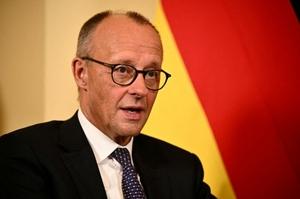
German Chancellor Friedrich Merz said he would press ahead with reforms after exit polls showed his Christian Democratic Union (CDU) suffering a historic defeat in Mecklenburg-Western Pomerania, where projections indicated the CDU won just 5 per cent of the vote.
“Exit polls showed Merz’s centre-right Christian Democratic Union coming in with just 5 per cent of the vote”
Merz acknowledged his party’s result as a “disaster” while rejecting any retreat from his reform agenda, arguing that Germany’s economic and political problems made difficult and potentially unpopular reforms more urgent, not less, and pledging to press ahead.
In Mecklenburg-Vorpommern, 21News reported the AfD took first place with 37.9% and the SPD was led by outgoing Minister-President Manuela Schwesig, while the CDU was described as suffering another serious setback.
In Berlin, 21News said Die Linke came out on top with 25.5% of the vote, with the CDU of Friedrich Merz collecting 20% and the Greens reaching 15.4%.
Merz’s defiant message was echoed in multiple outlets as he insisted he would stay in office, including a statement that “What needs to be done now requires backbone, steadfastness, and patience.”
Far-right and Left react
After the projections, AfD national co-leader Alice Weidel told ZDF television that “we have displaced the CDU as the people’s party,” and said the party had “a great deal to offer our voters, namely political change in this country.”
In Berlin, Die Linke’s lead candidate Elif Eralp celebrated her party’s triumph over the anti-immigration AfD, saying “In our city, love and justice have triumphed over hatred,” as CBS News reported the CDU was projected to come in second with 20% behind Die Linke at 24.5%.
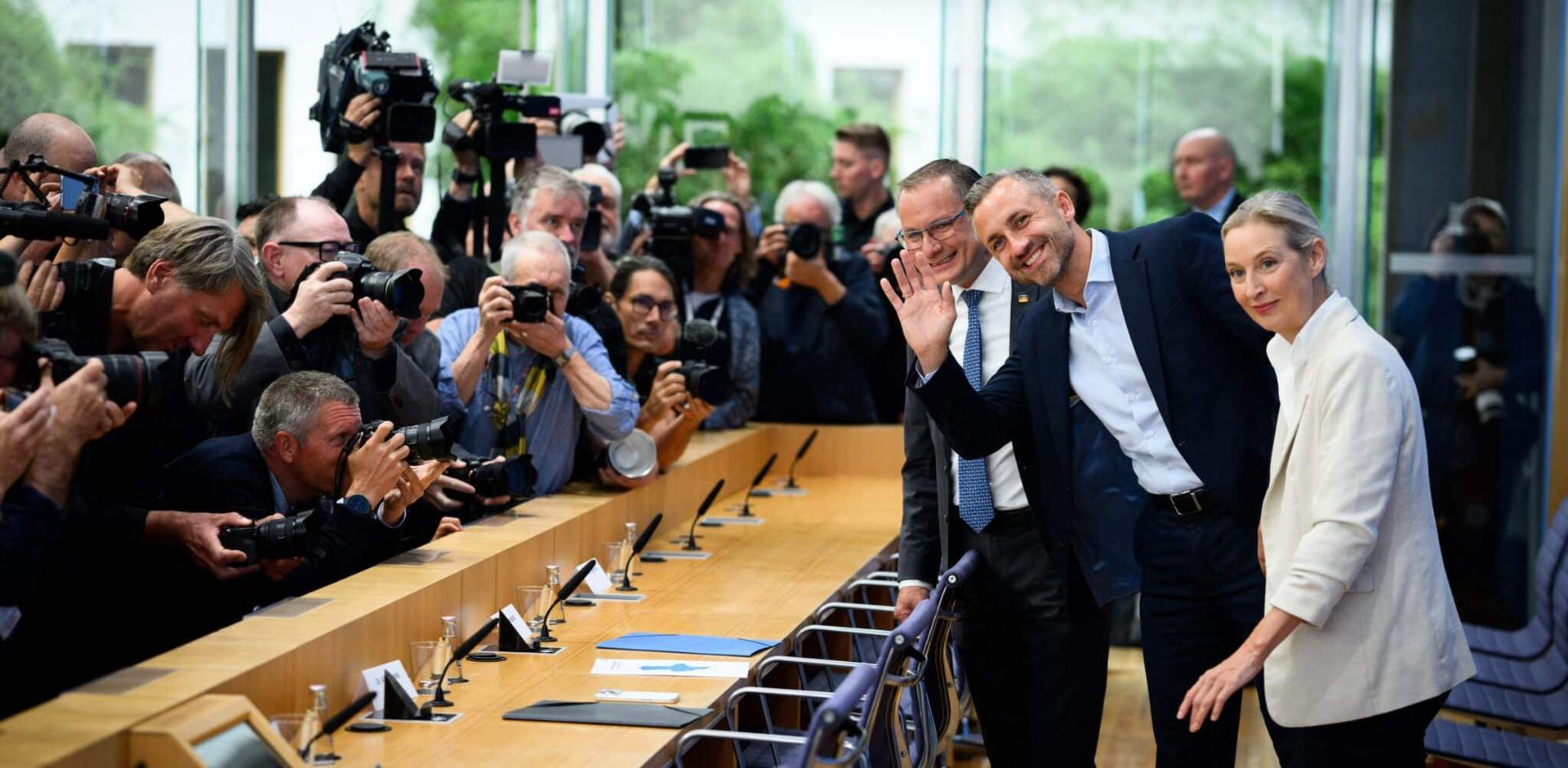
CNN reported that AfD co-leader Alice Weidel said her party is “clearly the new people’s party in Germany,” adding: “We have overtaken the CDU, and people want a change of policy.”
CNN also described audible groans inside the CDU watch party in Berlin as results were read out for both regions, while Merz remained defiant and said “The answer cannot be to go back to the good old days.”
In Mecklenburg-Vorpommern, CNN said the AfD was projected to win on 38% with Merz’s CDU on 5%, barely enough to seal representation in the largely rural state.
Europe’s political stakes
The election results were framed as a test of Merz’s political standing in Europe’s biggest economy, with BBC reporting that the CDU could lose power in Berlin as it tussles with Die Linke over first place and that in Mecklenburg-Vorpommern the CDU was hovering just above the 5% threshold needed for a party to enter the state parliament.
“Opinion polls in Berlin and Mecklenburg-Vorpommerm suggest Merz's Christian Democratic Union (CDU) is at risk”
BBC said speculation in Germany suggested Merz could be replaced as chancellor mid-term unless the CDU’s political fortunes improve, while also noting that he had said he will carry on despite rumours of a so-called chancellor swap.
In Mecklenburg-Vorpommern, Anadolu Ajansı reported an ARD projection putting the AfD at 37.3% just ahead of the SPD at 35.5%, while Merz’s CDU slumped to 5.3% and Merz said “We cannot play down the result in Mecklenburg-Vorpommern; it is a disaster.”
Anadolu Ajansı also said Merz promised “What now needs to be done requires backbone, steadfastness, and patience,” and argued that his coalition government has already undertaken serious efforts to get Germany back on track.
With the AfD’s surge in eastern states and the CDU’s risk of falling below representation thresholds, the sources portrayed a widening political pressure on Merz as he sought to push through reforms rather than step down.