Finance21 August, 20263 min read
FTC Issues Proposed Enforcement Policy On Personalized Pricing, Warns Retailers Over Undisclosed Data Use
This article is an automated aggregation of coverage from news outlets. Our editorials offer in-depth analysis curated by the NewsCord team.
FTC proposes retailers disclose when using personal data to set prices and the data types. Non-disclosure could trigger federal charges or lawsuits under proposed policy.

FTC proposes disclosure rules
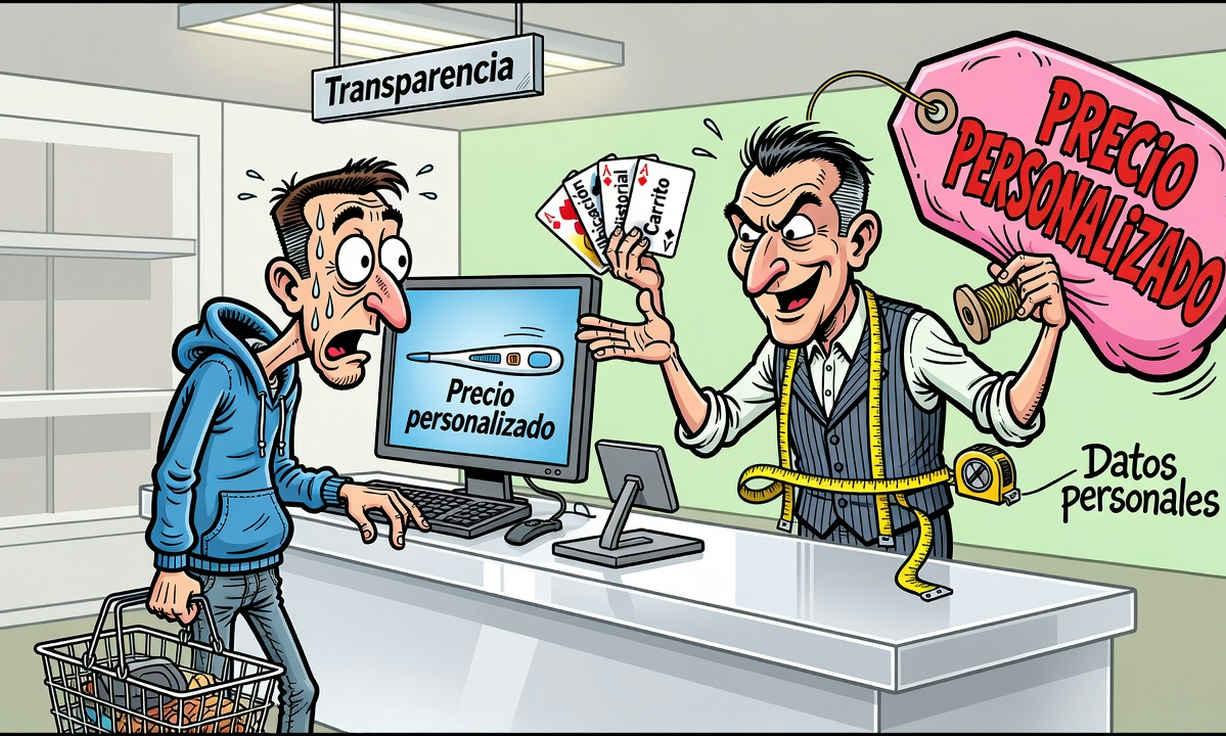
The Federal Trade Commission issued a proposed enforcement policy statement on August 19, 2026 addressing personalized pricing, which the FTC described as the use of personal data to set a price based on what a business believes a particular consumer is willing to spend. The FTC said the proposal does not ban personalized pricing, create a new cause of action, or bind courts or businesses, but it puts retailers and other consumer-facing companies on notice that the FTC may treat undisclosed personalized pricing as an unfair or deceptive practice under Section 5 of the FTC Act.
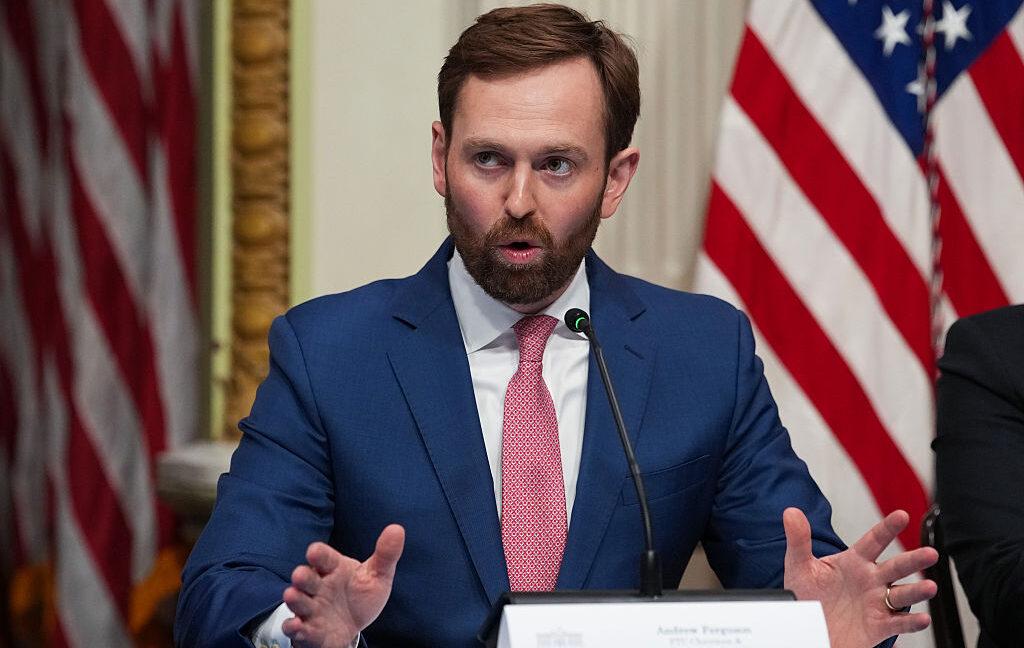
The FTC Chair Andrew Ferguson said in a statement that “When consumers see a listed price, they expect it to be the same price everyone else sees, not the retailer’s estimate of how much they are willing to pay based on their personal data,” and the agency warned that companies that do not inform consumers may be violating the FTC Act and other laws it enforces. The commission vote approving the proposed statement for public comment was 2-0, and once published in the Federal Register, the public will have 30 days to submit comments.
What retailers must say
The FTC said businesses that engage in personalized pricing should clearly and conspicuously disclose not just that the price is personalized, but also the basis for that personalization and the types of data on which the personalization is based. Quartz reported that the FTC warned retailers that personalized pricing without disclosure could trigger lawsuits, and it said the agency’s proposed enforcement policy statement would treat failures to meet disclosure standards as potentially unfair or deceptive under Section 5 of the FTC Act.
In its framing, the FTC Chair Andrew Ferguson said “Companies that do not inform consumers how their personal data is being used to set a price may be violating the FTC Act and other laws we enforce.” The FTC also said it acknowledged it lacks authority to ban personalized pricing outright, while Ars Technica reported that the FTC believes it could set limits on the practice, including potential penalties for businesses that fail to disclose when customers may be paying more because data suggests they won’t balk at the price.
Enforcement scenarios and stakes
Quartz said the FTC’s proposed statement offered specific scenarios that would raise legal concerns under Section 5, including a meal-delivery company quoting higher prices to consumers it believes are less able to leave their homes and a grocery chain charging more for milk based on the number of children in a household. The FTC also said undisclosed collection or use of personal data for personalized pricing could violate the FTC Act on privacy grounds, and it warned that companies that base personalized prices on consumer data without verifying that consumers consented to that data collection may infringe the law.
Ars Technica quoted the FTC policy framing that “the rise of data-driven ‘personalized pricing’ has the potential to transform our history of relatively limited variation in pricing from one consumer to the next,” and it reported that critics worry the FTC’s approach could end up killing discounts or raising prices. The FTC said informed consumers could take steps to avoid higher personalized prices, including using a virtual private network or a private browsing session, or choosing another retailer, and it warned that when consumers pay higher prices based on undisclosed use of personal data, they suffer “substantial harm,” one that they cannot avoid if the personalization has been concealed.