Finance09 October, 20263 min read
Supertanker Rates Surge Above $1 Million Per Day on Persian Gulf to China Route
This article is an automated aggregation of coverage from news outlets. Our editorials offer in-depth analysis curated by the NewsCord team.
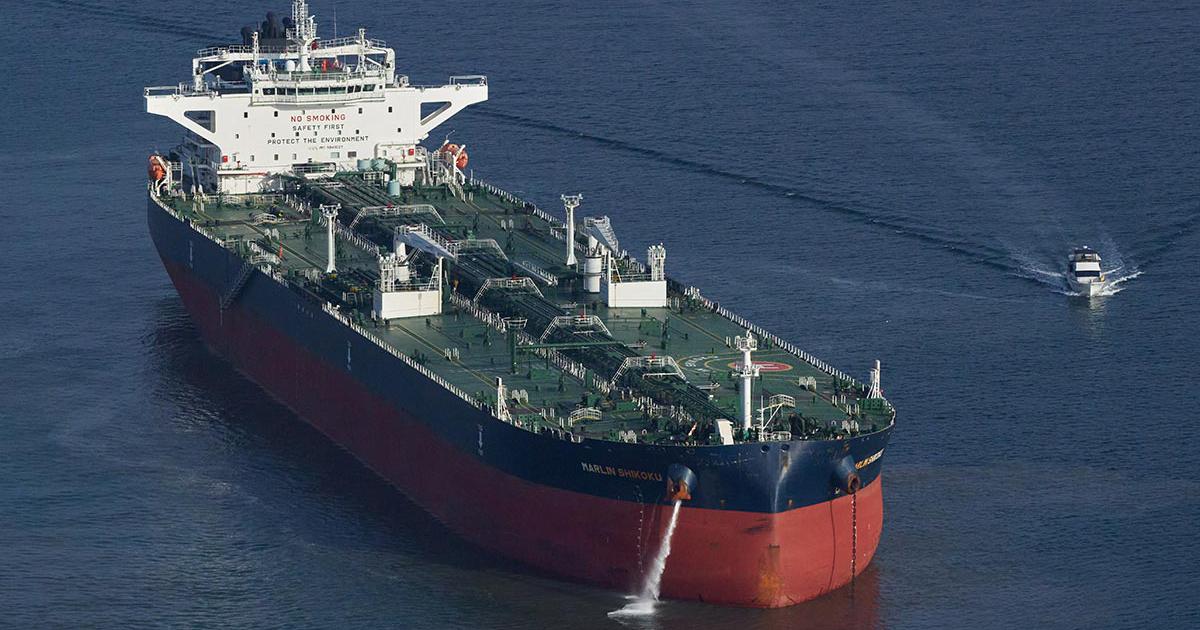
Supertanker rates on Persian Gulf–China route topped $1 million daily in September (record). First-week October rates surged another ~40%, signaling a continuing spike.
5 outlets told this the same way.
Rates hit record highs
Supertanker rates surged in September to above $1 million per day on the Persian Gulf to China route, a record high, and the September peak was soon smashed as freight rates soared by another 40% in the first week of October alone.
Vitol Group CEO Russell Hardy said at the Energy Intelligence Forum in London this week that the shuttle-shipping through the Strait of Hormuz is "very inefficient," and he added, "There is really not quite enough shipping to go around."
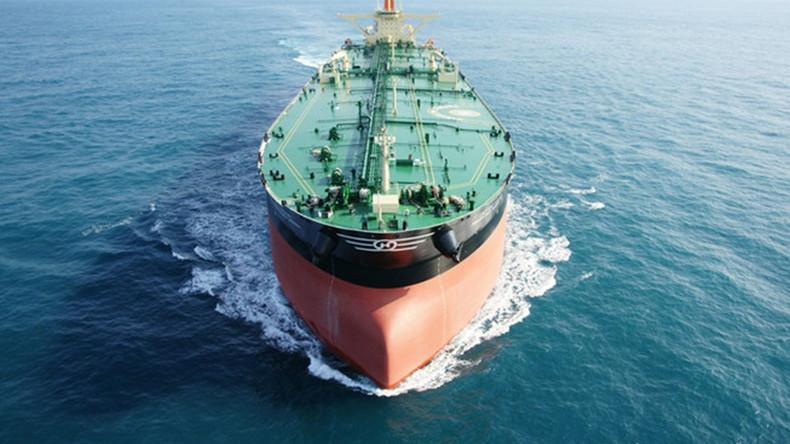
Bloomberg data compiled by Oilprice.com showed rates topped $1.4 million per day on the Gulf to East Asia trip this week, and the same reporting tied the surge to increased flows of oil from the Strait of Hormuz, mostly thanks to ship-to-ship (STS) transfers in the Gulf of Oman.
Oilprice.com said the STS transfers are tying up supertankers for weeks waiting for the transfers outside the Strait, limiting the availability of very large crude carriers (VLCCs) for other global routes such as the U.S. Gulf Coast to Asia.
Oilprice.com reported that one supertanker was reportedly offered at a total fee of $82 million for the journey on the U.S. Gulf-to-Japan route, up by 50% from just three weeks ago.
U.S. to China costs $80m
Shipbroker Gibson said this week that shipping oil from the United States to China costs about $80 million, compared with $74 million for a standard SpaceX Falcon 9 rocket launch. Brokers at SSY said shipping through the strait has recovered to only about 80 percent of prewar levels, while a U.S. shipping deal this week was struck at a rate equivalent to $41 per barrel of oil compared with an average of just $4.50 per barrel on the same route last year. One booking agreed from the U.S. at a rate that equates to a transport cost of $41 a barrel, when the average for the same route last year was $4.50, and it described that as about 45% of the price of West Texas Intermediate futures.
Vitol’s Hardy said, "We’ve had pretty parabolic pricing," as the tanker shortage worsened with every additional barrel of oil flowing through the Strait of Hormuz. gCaptain quoted Vitol’s Hardy saying, "We’ve had pretty parabolic pricing," as the tanker shortage worsened with every additional barrel of oil flowing through the Strait of Hormuz.
Refiners face margin pressure
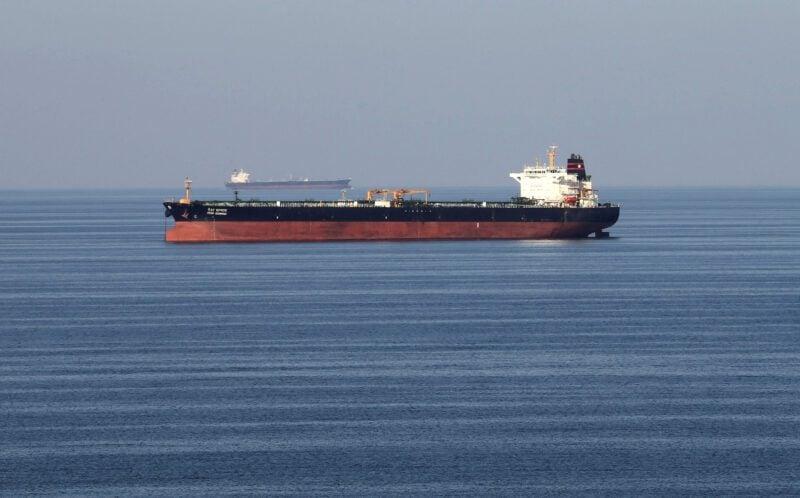
Freight rates for oil tanker ships reach 40 dollars per barrel on routes connecting the United States with Asia, complicating the purchase of U.S. crude by Asian refineries. Transportation from the Gulf of Mexico to China has become considerably more expensive, reaching an approximate cost of $40 per barrel compared with $8.60 per barrel before the conflict between the United States and Israel against Iran began in February. The closure of the so-called oil-arbitrage window has made it harder for transfers from the United States to Asia to remain economically appealing when freight costs rise.
Cosmo Oil provisionally agreed to charter a VLCC for $81 million with a loading window between November 19 and 21, and SK Energy and Trafigura attempted to charter similarly sized tankers with bids between $76 and $77 million but negotiations did not close. Trafigura chartered the Torm Hilde, a vessel with approximately 600,000 barrels capacity, for $24 million to load U.S. crude bound for Japan on November 1, and Vitol sought to charter the Aframax Riverside for $27 million to transport crude to South Korea in early November but that deal did not go through.