Gaza Genocideupdated 54m ago3 min read
Gadi Eisenkot Challenges Netanyahu as EU Eyes Post-Netanyahu Coalition With Haredi Parties
This article is an automated aggregation of coverage from news outlets. Our editorials offer in-depth analysis curated by the NewsCord team.
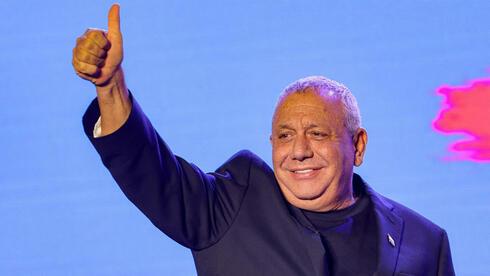
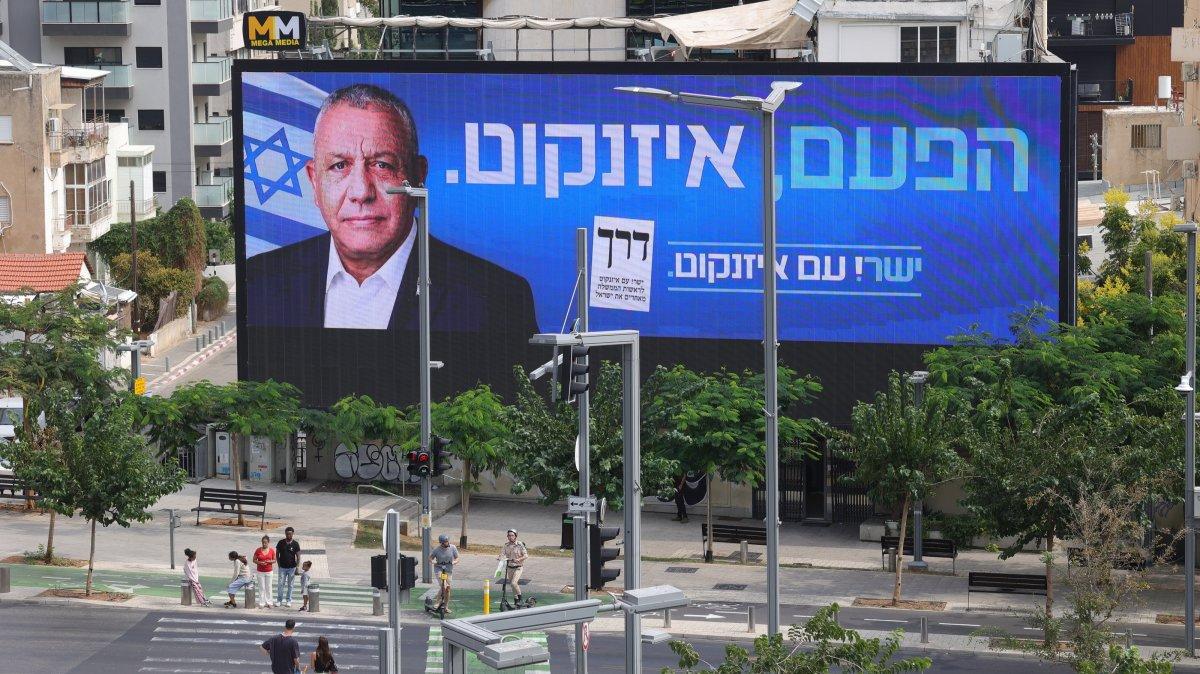
Eisenkot leads in a recent poll beating Netanyahu; Yashar projects more seats than Likud. EU eyes a post-Netanyahu coalition led by Eisenkot and Haredi parties.
www.timesofisrael › shooting-us-in-the-back-winter-says-netanyahu-t... was read line by line by the Watchdog: 3.1. See the score →
Gaza war and Eisenkot
Gadi Eisenkot, the main opposition candidate in Israel’s elections this month, has been described as the architect of the “notorious Dahiya doctrine” and as someone whose policy would see its fullest expression in the current Gaza war. The Guardian said Eisenkot promised that Israel would wield “disproportionate power … and cause immense damage and destruction,” linking that doctrine to the Gaza conflict. Eisenkot has also insisted two years ago that Israel was unlikely to win “total victory” over Hamas, and he has called for a strategy that prioritised the lives of hostages still held by Hamas.
The Guardian said Eisenkot was non-committal on crucial issues including the two-state solution and Israeli settlement of the occupied West Bank, while also presenting him as “unequivocally not a dove” on the use of military force. Eisenkot’s son Gal Meir Eisenkot, 25, died of his wounds in late 2023 after an operation in Gaza to recover the bodies of Israeli hostages, according to The Guardian.
Campaign disputes and trust
Gadi Eisenkot said he does not trust Prime Minister Benjamin Netanyahu after Netanyahu’s office faced accusations related to Hamas’s October 7, 2023 onslaught. Eisenkot told a Yedioth Ahronoth conference, “We’re learning in recent days that Netanyahu and his office were busy falsifying transcripts and retroactively arranging the picture,” and he added that he does not trust Netanyahu “to make the right decisions in the coming weeks.” Eisenkot also said that the largest party in his bloc should lead it, arguing, “All along, even a year ago when I had five seats, I thought the bloc’s candidate should be the leader of the largest party.”
Yair Golan, chair of the left-wing Democrats party, warned at another conference that Netanyahu will not accept the election results if he loses, and he said, “We know with certainty that he will not accept the election results.” Golan predicted that the Likud party would intensify efforts to manipulate voters, and he accused Netanyahu and his allies of operating a “planned, ruthless, well-funded and hierarchical” disinformation campaign directed from the Prime Minister’s Office.

What happens after the vote
Ofer Winter, chair of the hawkish People of Israel party, said Netanyahu is “responsible for the right’s collapse,” and he argued that Netanyahu was “shooting us in the back even though we’re a right-wing party.” Winter pledged to back Netanyahu for another term, but he said he would not join a Netanyahu government unless it passes legislation mandating universal military service, which he said Netanyahu’s longtime ultra-Orthodox partners oppose. Yair Golan warned that Netanyahu would not accept election results if he loses, and he said the “poison machine” would operate “with unprecedented force” in the final days before the vote.
Golan said the goal of Netanyahu’s campaign is “to wear us down, to make us think that everything is corrupt, that there is no point in fighting and everyone is a liar,” and he added that “They want you to be afraid, remain silent and stay home.” Gadi Eisenkot’s Gaza-related record and statements, including his focus on hostages and his stance on the use of military force, sit alongside the election’s uncertainty, with polls described as projecting deadlock and the possibility of repeat elections.