Full story
Hormuz “arrangements” at stake
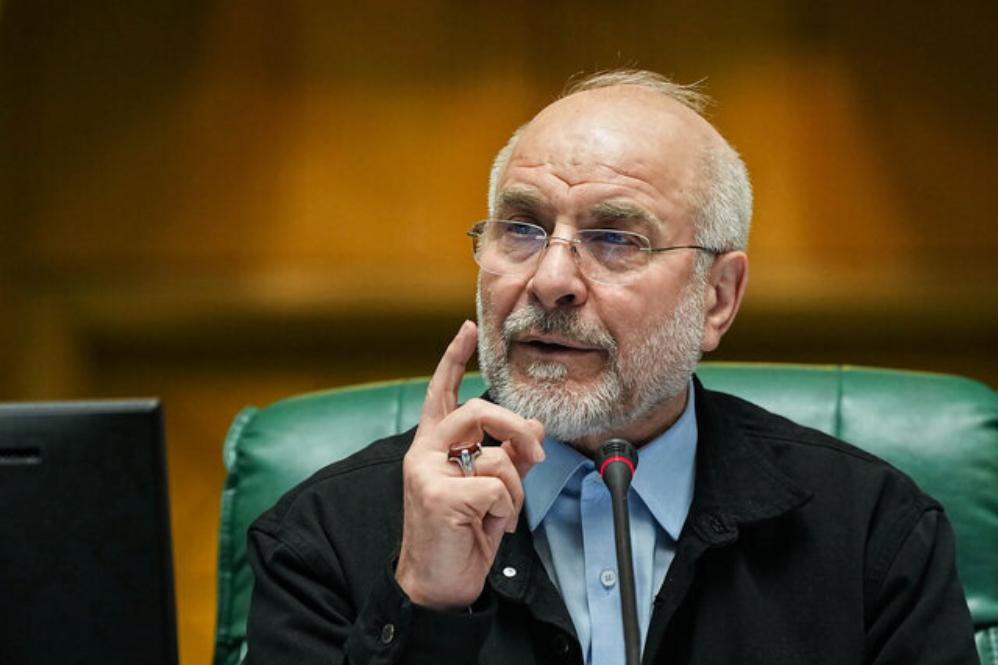
Iran’s top negotiator Mohammad Bagher Ghalibaf said Tehran’s “arrangements” in the Strait of Hormuz are vital to national security, arguing that Iran’s national security “lies in maintaining the ‘Iranian arrangements’ on the Strait of Hormuz.”
Ghalibaf said Iran and Oman were part of the framework for “maximum safe and harmless passage of commercial ships through this waterway,” and he added that during negotiations Iran established its resistance and arrangements for the strait in Article 5 of the Memorandum of Understanding.

The New Region also reported that the fifth clause of the US-Iranian MoU reached in mid-June stresses Iran will make arrangements “using its best efforts” to ensure safe passage of commercial vessels free of charge for 60 days, with Iran defining future administrative measures at the strait with Oman.
The same report said the US Central Command (CENTCOM) announced it had resumed the naval blockade against vessels transiting to and from Iranian ports late Tuesday, after President Donald Trump said the truce with Tehran “is over.”
It added that the Iranian Army said early Wednesday the US fired 13 missiles at one of its bases in Sistan-Baluchistan’s Bampour, raising the total death toll from the recent attacks to 30.
No US talks, “definitive response”
Iran’s foreign ministry rejected talks with the US for now, with foreign ministry spokesperson Esmail Baqaei saying Tehran had no plans to engage and would honour commitments only if Washington does.
Baqaei said, “Our commitments remain in effect only as long as the other side fulfils its pledges,” and he added that Iran abandoned its commitments under the MoU after the US failed to uphold its side of the temporary agreement.

In parallel, Iran’s top negotiator Mohammad Bagher Ghalibaf vowed a “definitive response” to the US for “crimes,” saying, “We have pledged our jugular vein for the defence of this homeland.”
Pakistan Today also reported that Reuters cited seven maritime security and shipping industry sources saying some ships were refusing US-military guided Hormuz transits after attacks, while one shipping source said, “The US doesn’t seem to have any control over the situation.”
The report further quoted Torbjorn Solvedt of Verisk Maplecroft saying Iran’s continued ability to target ships sailing through the Omani route means the Trump administration’s proposed solution to keep ships moving is unlikely to work.
Oman, parliament, and escalation
As tensions hardened around the Strait of Hormuz, Jeddah-based outlet جريدة الرياض reported that Iran’s management of the strait and its targeting of ships trying to pass through pushed Oman toward a firmer stance toward Tehran.
It said Oman’s Foreign Ministry announced the summoning of the Iranian ambassador to deliver a protest memorandum “in light of attacks on sites in the Musandam and Al-Wusta governorates by drones,” coming a day after a visit by Iranian Foreign Minister Abbas Araqchi to Muscat.
The same report said the Iranian Parliament was set to hold a public session to discuss a draft law defining transit routes and collecting fees for services and passage through the strait, with Ibrahim Azizi, head of the Iranian Parliament’s National Security and Foreign Policy Committee, confirming the draft law was formally submitted to Parliament on Monday night.
عكاظ reported that Azizi said, “We will remain steadfast in defending our red lines, especially regarding the management of the Strait of Hormuz,” and it added that the draft law is entitled “Strategic Work for Security and the Sustainability of Progress in the Strait of Hormuz.”
The report also said China urged Washington and Tehran to restore safe passage through the Strait of Hormuz, quoting Chinese Foreign Ministry spokesman Lian Jian: “Restoring normal and safe transit through the strait as soon as possible represents a shared aspiration of the international community.”