Europe04 September, 20263 min read
Giorgia Meloni’s Government Becomes Italy’s Longest-Serving Since World War II at 1,413 Days
This article is an automated aggregation of coverage from news outlets. Our editorials offer in-depth analysis curated by the NewsCord team.
Meloni's government becomes Italy's longest-serving postwar administration at 1,413 days. Surpasses Berlusconi II’s record of 1,412 days.
70 outlets told this the same way.
Longevity record in Italy
Giorgia Meloni’s conservative government became Italy’s longest-serving uninterrupted administration since World War II on Thursday at 1,413 days, surpassing the record set by Silvio Berlusconi between 2001 and 2005. The coalition that has remained united since Meloni took office on October 22, 2022 is formed by Fratelli d’Italia, Matteo Salvini’s League, and Forza Italia. In the southern city of Bari, Meloni is set to celebrate the milestone with a large pre-election rally, as the next legislative elections are due by the end of 2027.
The record matters in a country where none of Italy’s 68 governments in the country’s 80 years as a republic has yet to complete a five-year term without interruption, and Berlusconi came closest before a government crisis forced him to resign briefly in 2005. Supporters and officials frame the moment as political durability, with the government’s longevity presented as a stability argument ahead of the 2027 campaign.
Rally, rivals, and debate
Meloni’s record is being marked with a rally organized by her Brothers of Italy party at Bari’s port, where the prime minister will be joined by ministers, lawmakers and other supporters for what is billed as a celebration of the government’s record longevity. Defense Minister Guido Crosetto told The Associated Press that “Meloni has reaped a part of what she sowed,” adding that she is now “reaping exactly what she deserves in terms of international credibility.” Critics and analysts tie the longevity to a lack of results, with political analyst and pollster Lorenzo Pregliasco saying, “The Meloni government has been certainly stable and long-running, but it hasn’t achieved much in terms of structural reforms.”
Opposition voices also argue that the government’s durability is not translating into voter-facing gains, with former Prime Minister Giuseppe Conte saying, “The government is celebrating, but Italians are not,” in a speech outside parliament. The debate is also shaped by growing competition, as Al Jazeera reports that Meloni’s government is now grappling with the rapid ascent of a new far-right party led by former army general Roberto Vannacci ahead of the 2027 general election.
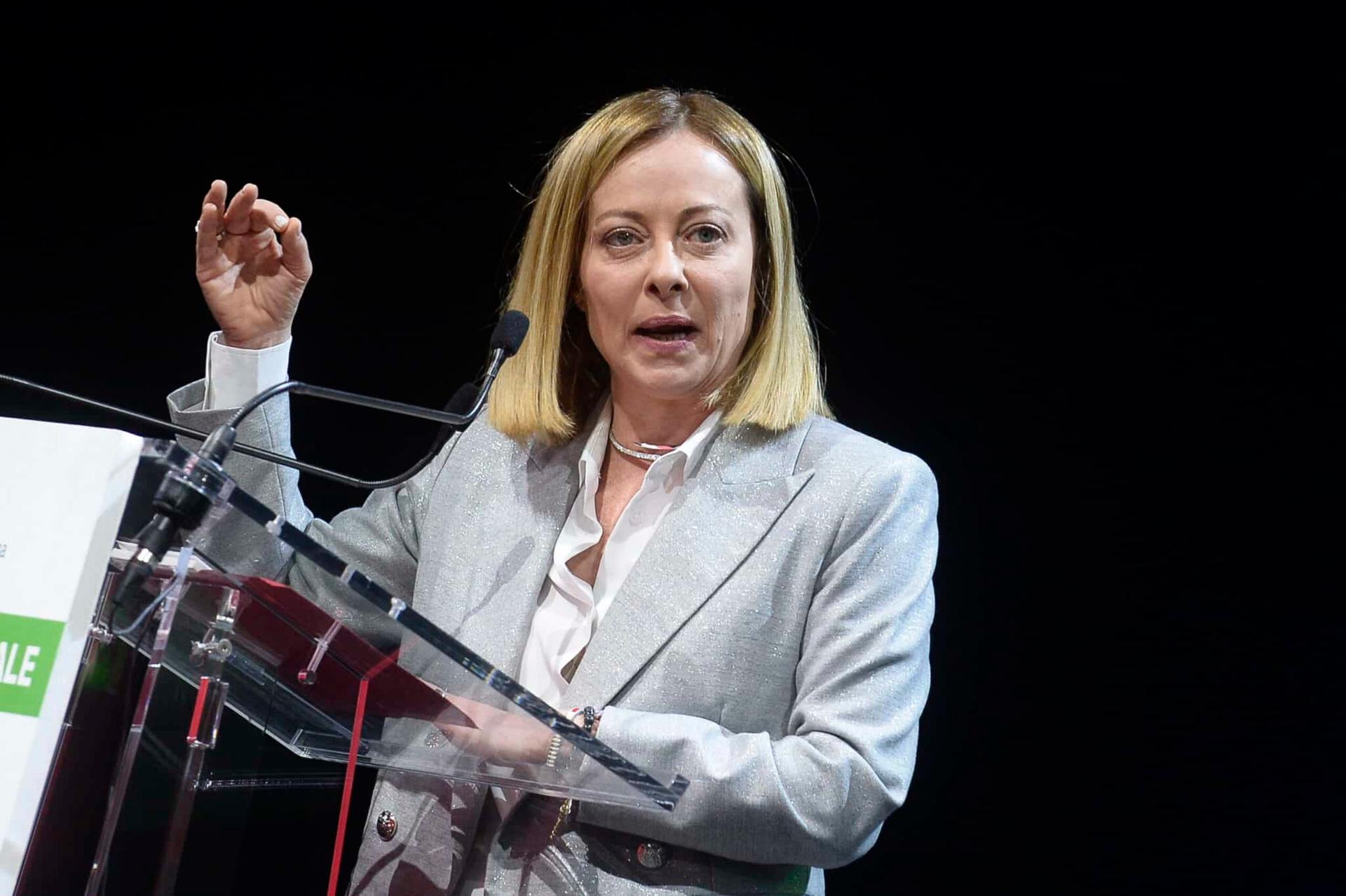
What’s at stake for Europe
Beyond domestic politics, the sources frame Meloni’s longevity as part of Italy’s standing in Europe and international relations, with the government’s continuity described as reassuring to European leaders and financial markets. In a post on social media after surpassing 1,413 days, Meloni wrote, “Today, our Government becomes the oldest in the history of the Italian Republic,” and said stability is “the condition that allows a nation to plan, decide, uphold commitments and earn respect.” The same coverage links her record to foreign-policy positioning, including NATO Secretary General Mark Rutte calling Meloni “a friend” and thanking Italy for “being a great ally” within the Atlantic alliance.
“Today, our Government becomes the oldest in the history of the Italian Republic.”
At the same time, the sources describe how the longevity milestone is being used to argue for a renewed mandate, with Meloni saying, “We will return before the citizens with what we have done, with what remains to be done, and with our vision for the future.” With the next general election no later than December 2027, the record is presented as a platform for Meloni’s bid to keep governing while Italy’s political scene remains volatile enough that analysts question whether longevity signals strength or stasis.