Protestsupdated 1h ago2 min read
Sébastien Lecornu Holds Crisis Cabinet After Weekend Violence, Looting Across France
This article is an automated aggregation of coverage from news outlets. Our editorials offer in-depth analysis curated by the NewsCord team.
Lecornu convened a crisis cabinet to assess a weekend of nationwide violence and looting. Police arrested about 2,400 people as protests turned violent and shops were looted.

15 outlets told this the same way.
Outlets did split on Aleppo Military Court Sentences Al-Wadih Ismail And Maher Ali To Death Over Syrian Coast Violations →
Weekend unrest turns violent
France’s Prime Minister Sébastien Lecornu held a crisis cabinet meeting on Monday to assess a weekend of violence and looting across the country after protests against rising living costs and dwindling access to decent public services turned nasty. France’s interior ministry said about 1,000 police officers were injured on Saturday, seven of them seriously, as riot police fired tear gas and turned water cannon on crowds.
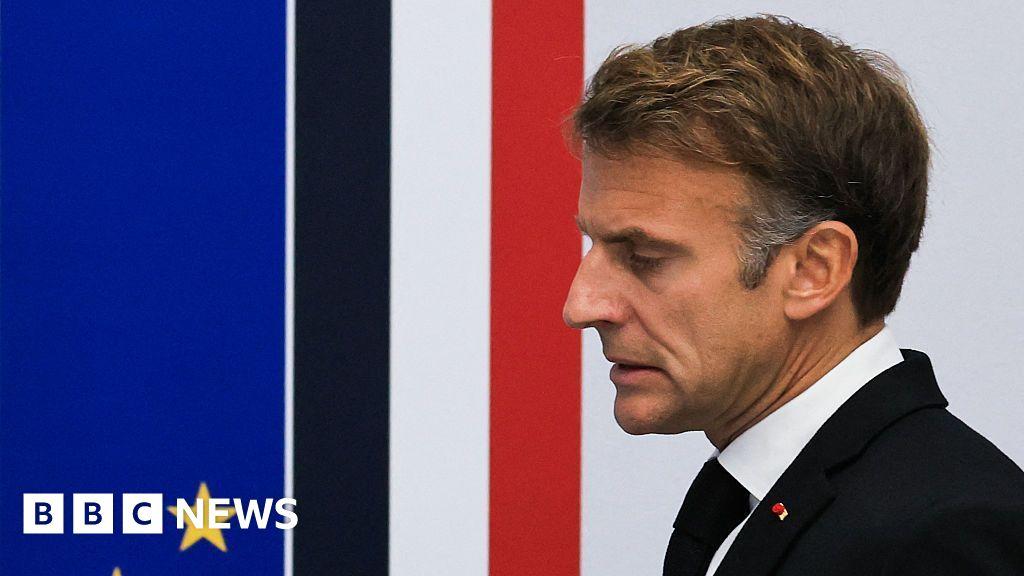
Macron used a televised address on Sunday to call for national unity and to try to assure the French public that the perpetrators of the violence would be punished, while the BBC described the unrest as among the worst public disorder in modern French history. Sébastien Lecornu’s government faced a key budget vote as Prime Minister Sébastien Lecornu’s minority government sought €54 billion ($61 billion) of fiscal savings in its 2027 budget, with the National Assembly due to hold a formal vote on the first part of the bill on Tuesday.
Macron, unions, and opposition
Sophie Binet, the Secretary General of the CGT union, accused Macron of failing to address students’ concerns, the cost-of-living crisis, or the dwindling quality of public services in France. Macron told the nation in a televised address that “Nothing justifies it, nothing explains it, nothing excuses it,” while he pledged an “uncompromising” response to “agitators from ultra-left fringe groups, joined by numerous delinquents.”
The Elysee palace said the interior minister submitted his resignation to the president on Sunday, but the president refused, citing the “necessity for continued leadership of law enforcement at this time.” Marine Le Pen said the troubles showed that Macron’s government is “running on fumes, exhausted and disoriented,” while Jean-Luc Mélenchon said Macron needed to answer the demands of protesting high-school students and warned the country could be heading toward “events that will eventually become uncontrollable.”

What comes next
France’s authorities hoped for a respite as students start their half-term break as of Monday, but they also prepared for new mass demonstrations announced for 5 November. Macron promised “concrete proposals” this week by bringing together students, teachers, lawmakers, unions and business leaders, and he ordered a review of whether there had been failings in intelligence gathering or police preparedness.
The Guardian said crowds clashed with police at Place de la République in central Paris on Sunday afternoon as violence flared for a second day, with police responding using teargas and stun grenades. The BBC said Parliament’s president, Yaël Braun-Pivet, wanted to open an inquiry into exactly what happened this weekend and why, as France’s political system remained paralysed and deeply divided between three vying political blocks.