Protests24 October, 20262 min read
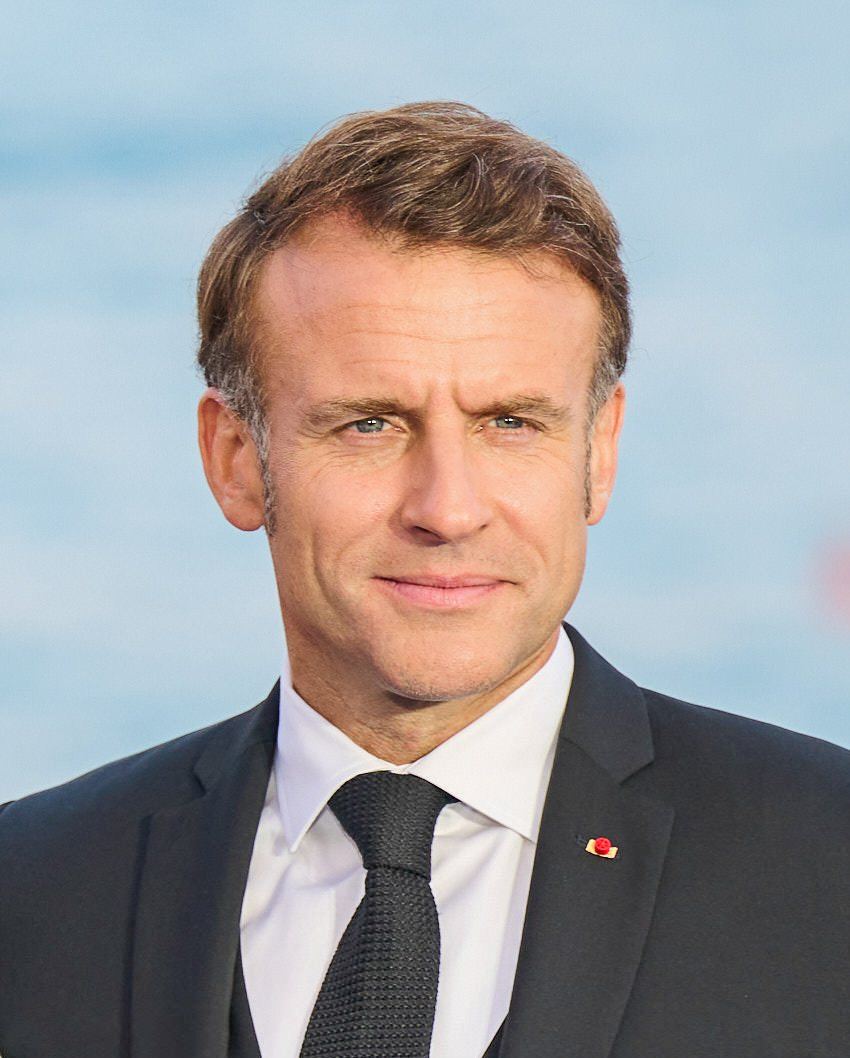
Archive photo · 8 June 2025Macron Orders Strong Measures To Calm Protests As Lecornu Meets Unions In Marseille
“Interior Ministry put nationwide turnout at 410,000, while the CGT union estimated nearly 800,000.”
“Macron told reporters in Marseille, where he travelled to inspect the damage from earlier protests.”
Photo: European Commission / © European Union, 2026, CC BY 4.0 · Cropped for layout
This article is an automated aggregation of coverage from news outlets. Our editorials offer in-depth analysis curated by the NewsCord team.
Lecornu to announce strong measures to calm protests nationwide. Macron met unions and student groups seeking education funding relief.
Save coverage image
Macron promises measures
French President Emmanuel Macron told reporters in Marseille that Prime Minister Sébastien Lecornu will announce “strong measures” to calm protests across the country, while Macron warned that next weekend could bring more disturbances. Macron said, “I also asked the government to respond to the legitimate demands at the heart of this social movement,” as Lecornu prepared to meet unions and groups representing high school students. Lecornu was scheduled to hold a press conference after meeting with student representatives, with the participation of the Ministers of National Education and Higher Education, Édouard Geffray and Philippe Bastide.
France 24 said the protests followed a weekend of demonstrations over high school conditions and the cost of living, and the police response drew criticism for closing school entrances. The France 24 report added that several teen protesters were seriously injured and thousands were arrested.
Numbers and clashes
The Interior Ministry put nationwide turnout at 410,000 for Saturday’s protests, while the CGT union estimated nearly 800,000. The Economic Times said the Paris march started peacefully but escalated into clashes with police using tear gas and water cannons, and the Paris prosecutor's office said 64 people had been arrested in connection with Saturday's demonstration. The Economic Times reported that police used tear gas in Lyon, Clermont-Ferrand and Strasbourg and water cannons in Nice and Nantes, and officers fired tear gas in Marseille near the march's endpoint.
Benedicte Pittion, a 46-year-old teacher, said, “The young people who have been demonstrating have not been heard, and as a parent and as a teacher, I stand with them,” as she marched with her 16-year-old daughter, Garance. Garance told the Economic Times she had been “really scared” to attend after seeing images of last weekend's violence, but argued that staying away would hand the government a victory.
Student demands and policing
French student organizations insisted on escalating protests after a meeting with President Emmanuel Macron at the Élysée Palace on Friday, and the organizations said Macron promised to restructure the Parcorsip admissions system.
The organizations told participants they left the meeting unsatisfied after a session that lasted more than three hours, and the French Youth Information and Documentation Center (CIDJ) quoted them saying demands went beyond reforming the platform to abolishing it.
The Economic Times reported that Interior Minister Laurent Nunez had announced a nationwide deployment of up to 70,000 officers, backed by helicopters, armored vehicles and water cannons.
The Economic Times said authorities had confined the Paris march to the city's southeastern edge, away from the center, and it also reported that authorities had banned rallies in cities including Lyon, Nice and Montpellier.
Soumaya Abed, a 58-year-old nurse wearing a red CGT union vest, said, “But it won't stop the movement. It won't stop students from demanding better conditions in schools.”