Iran02 April, 20261 min read
Global Coalition Pressures Iran to Reopen Hormuz as Trump Escalates
This article is an automated aggregation of coverage from news outlets. Our editorials offer in-depth analysis curated by the NewsCord team.
More than 40 countries join sanctions push to reopen the Strait. Diplomatic efforts prioritized; Macron argues diplomacy over force to reopen Hormuz.

International Diplomacy
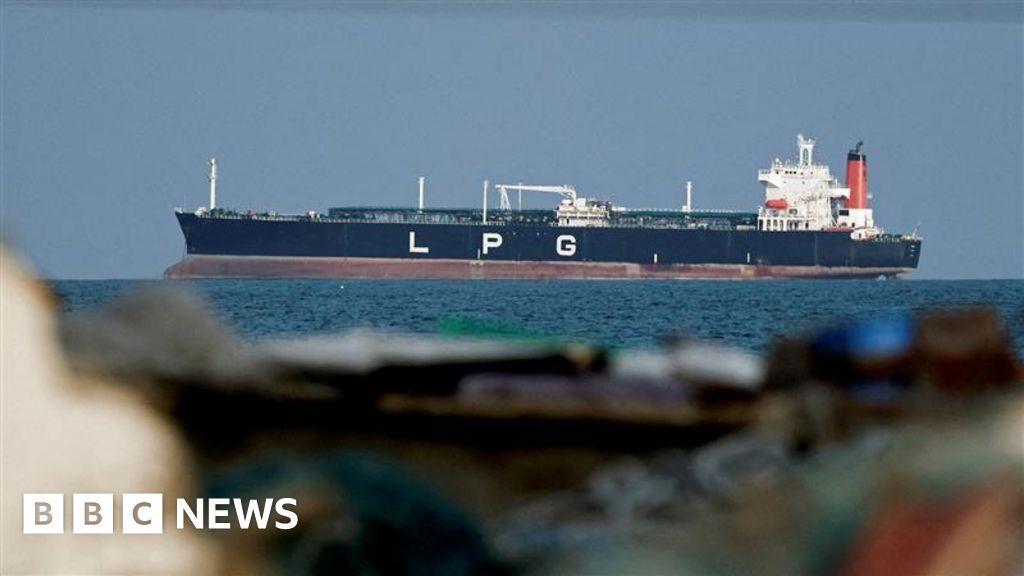
More than 40 countries convened in a virtual summit to coordinate a response to Iran's blockade of the Strait of Hormuz. They demanded Iran unconditionally and immediately open the strait.
Three main outcomes were identified: increased diplomatic pressure at the UN, exploration of potential sanctions, and collaboration with shipping operators. The United States did not participate in the talks, though Trump signaled a willingness to shift from military action.
Trump's Escalation
Trump continued escalating military pressure, vowing to target energy infrastructure and civilian bridges. Over 100 American international law experts raised concerns about potential war crimes.
Axios reported the US was examining scenarios for the seizure of Kharg Island. Trump was signaling a potential shift to diplomacy after five weeks of conflict.
Regional and Global Impact
The blockade and strikes sent shockwaves through global energy markets. Brent crude jumped about 7% after Trump vowed to bring them back to the Stone Ages.
The Kuwaiti supertanker Al-Salmi caught fire while anchored in Dubai waters. Iranian officials announced Iraq would be exempt from maritime restrictions.
Fractures Among Allies
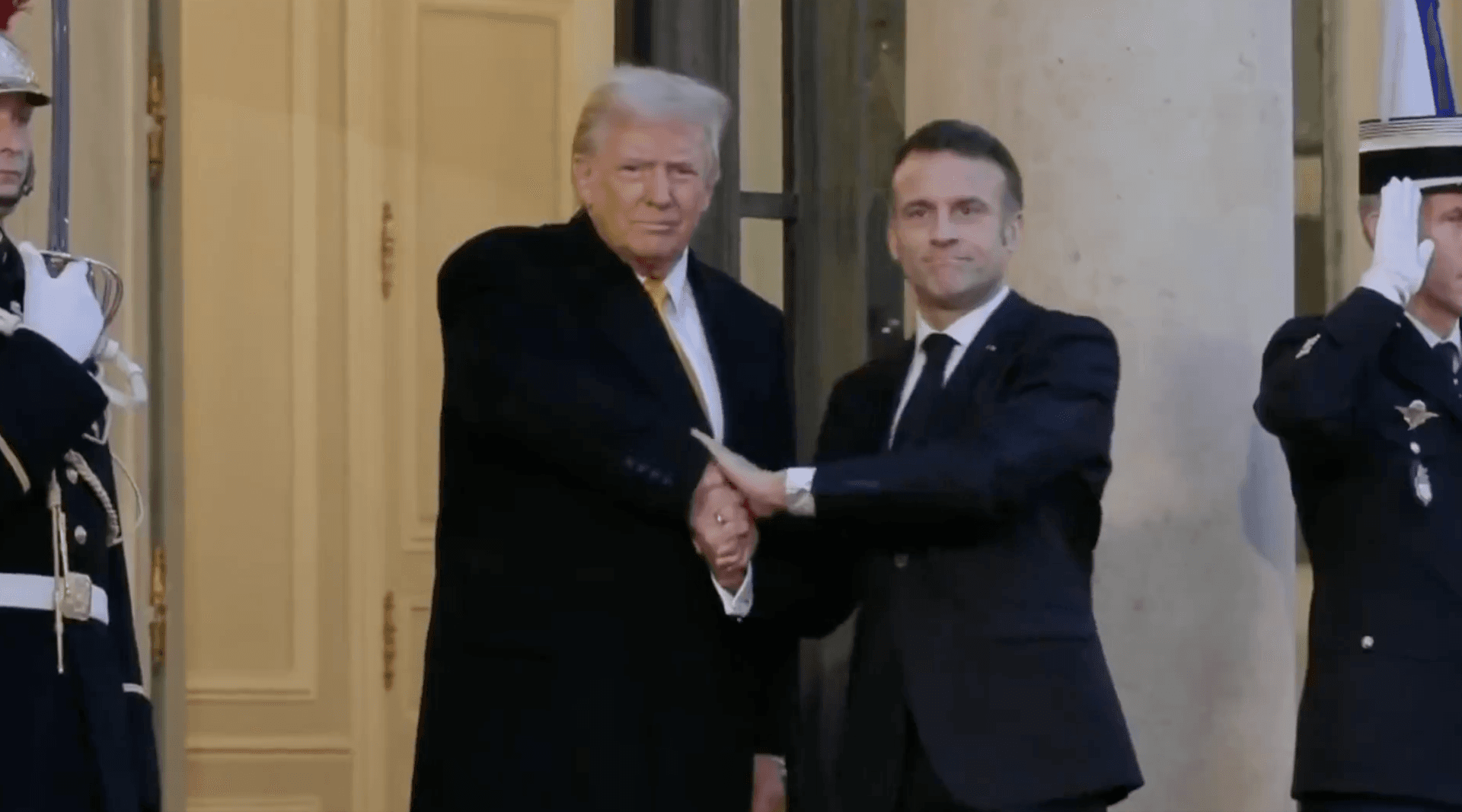
Macron argued that the Strait must be reopened through diplomacy, not force. France would never take part in operations to unblock Hormuz while hostilities continue. The campaign was fracturing Washington's ability to present a united front.