
Technology and Science · 14 March, 2026 · 2 min read
Governor Walz authorizes Minnesota National Guard to assist with winter storm response
Walz declared a peacetime emergency and authorized Minnesota National Guard to assist. Steele County requested Guard personnel, equipment, facilities, and resources.
Winter storm in Minnesota prompts National Guard activation and emergency declarations.
4 of 5 outlets skipped it: delta Air Lines is issuing waivers for any flights that have to be rescheduled due to winter weather in Minnesota and for much of the Upper Midwest..
5outlets compared
Same story, two versions
tap a side to read it in full
Willmar Radio
“Ahead of dangerous winter weather conditions expected this weekend, Governor Tim Walz today declared a peacetime emergency, authorizing the Minnesota National Guard to provide support for emergency storm operations.”Read the original ↗
CBS News
“Gov. Walz has signed an executive order authorizing the Minnesota National Guard to support emergency operations for a winter storm expected late Saturday into Sunday.”Read the original ↗
Different outlets frame the authority and immediacy of National Guard activation with terms like 'peacetime emergency' vs 'executive order authorizing' and vary in phrasing of timing, revealing editorial emphasis on government action.
Emergency Declaration
Governor Tim Walz took decisive action by declaring a peacetime emergency and authorizing the Minnesota National Guard to assist with emergency operations ahead of a major winter storm. The storm was expected to impact Minnesota on Saturday, March 14th, bringing significant weather challenges to the state.
“Minnesota Governor Tim Walz declared a peacetime emergency and authorized the Minnesota National Guard to help with emergency operations ahead of the winter storm expected on Saturday, March 14th.”
The Governor emphasized that despite recent spring weather, Minnesotans understand that March snowstorms remain a possibility. He expressed gratitude for the National Guard's willingness to step in to keep residents safe during this potentially dangerous weather event.
Guard Deployment
The Minnesota National Guard prepared for deployment across the state with strategic positioning of resources at key armories. Colonel John McCrae, Director of Operations for the Minnesota National Guard, explained the deployment strategy. Four armories in the south and metro area would serve as operational bases: Owatonna, Redwood Falls, Fairmont, and Albert Lea.
These facilities are equipped with specialized vehicles called SUSVs (tracked vehicles) designed for snow and ice conditions. The Guard's positioning allows for quick response to emerging needs throughout the state.
Storm Forecast
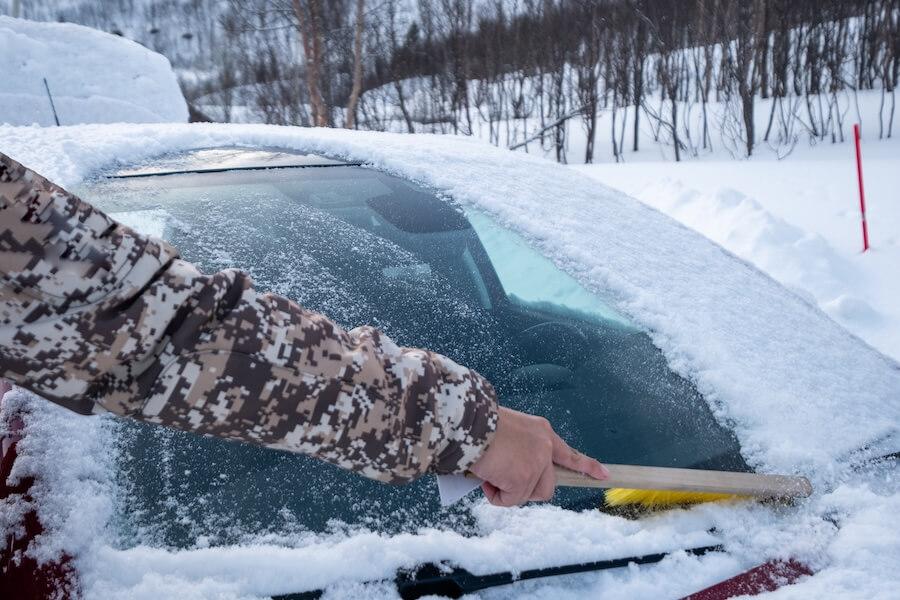
Meteorological authorities predicted a major winter storm system would impact much of Minnesota beginning Saturday evening. The National Weather Service forecasting blizzard conditions characterized by heavy snowfall and strong winds. The storm's timing and intensity raised concerns about transportation disruptions and public safety.
“The National Weather Service is predicting the storm will bring blizzard conditions with strong winds and heavy snow.”
These concerns prompted the emergency declaration and National Guard activation. Winter weather in March, while not uncommon in Minnesota, still requires heightened preparedness due to potential for rapid changes in conditions.
Airport Impact
Minneapolis-St. Paul International Airport (MSP) experienced significant operational disruptions as the storm approached.
By Saturday afternoon, 53 departure flights had been canceled and 58 had been delayed.

Travelers faced extensive delays and long lines throughout the airport.
One passenger described the scene as 'absolute mayhem' and mentioned they had 'never seen the line this long.'
The disruptions affected both domestic and international travel, with some passengers missing connections to Europe.
Wider Impact
The winter storm's impact extended beyond airports to other essential services.
“Paul officials also said that due to the snow, there will be no garbage pickup Monday.”
City officials in St. Paul announced garbage pickup services would be suspended on Monday due to snow accumulation.
The coordinated emergency response involved multiple agencies working together.
These agencies addressed public safety concerns, infrastructure challenges, and service disruptions.
The Minnesota National Guard's presence represented a comprehensive approach to emergency management.