Syria01 May, 20266 min read
Grenade Explosion Kills Sayyidah Zaynab Mosque Imam Farhan Hassan al-Mansour in Damascus Suburb
This article is an automated aggregation of coverage from news outlets. Our editorials offer in-depth analysis curated by the NewsCord team.
Farhan Hassan al-Mansour, imam at Sayyida Zaynab Shrine, targeted in grenade attack. Condition disputed: some outlets report death; others report serious injuries.
Imam killed near shrine
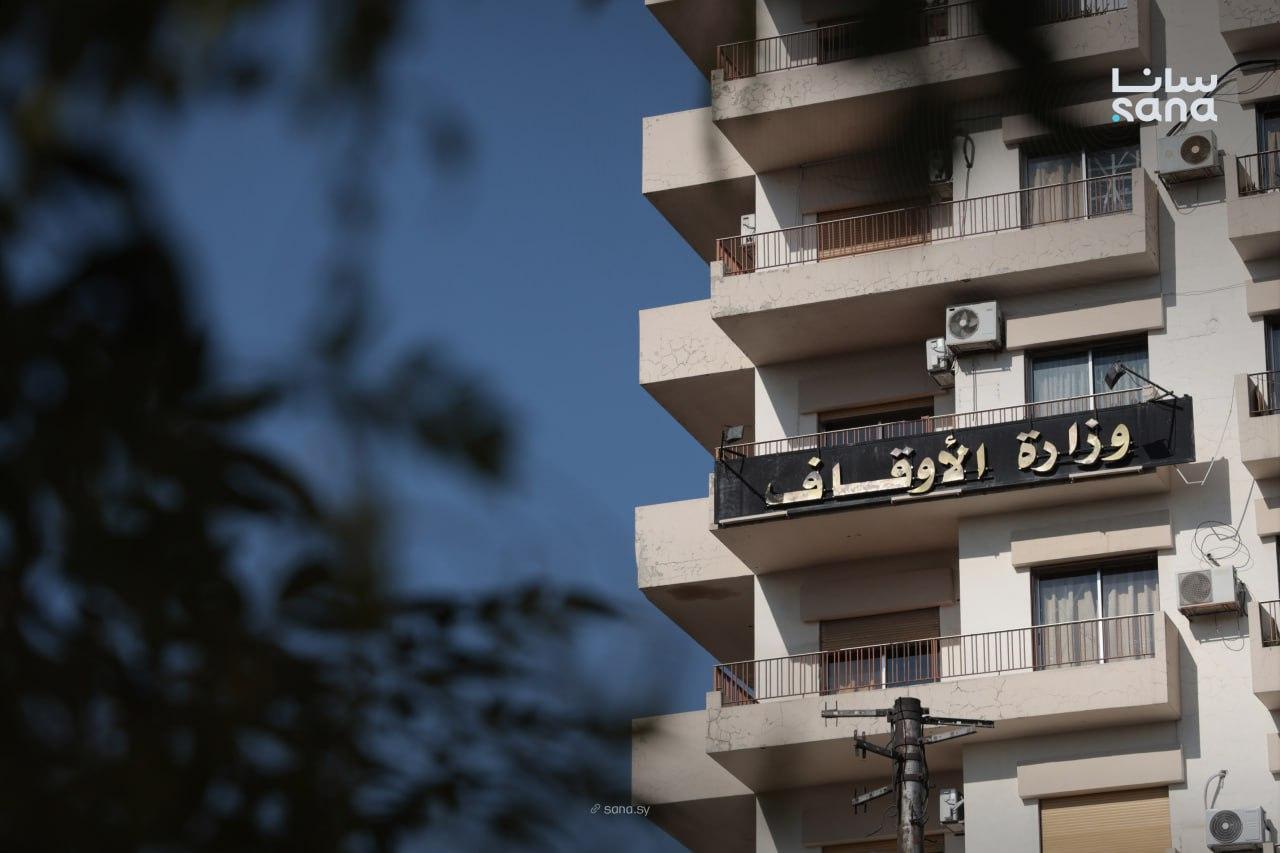
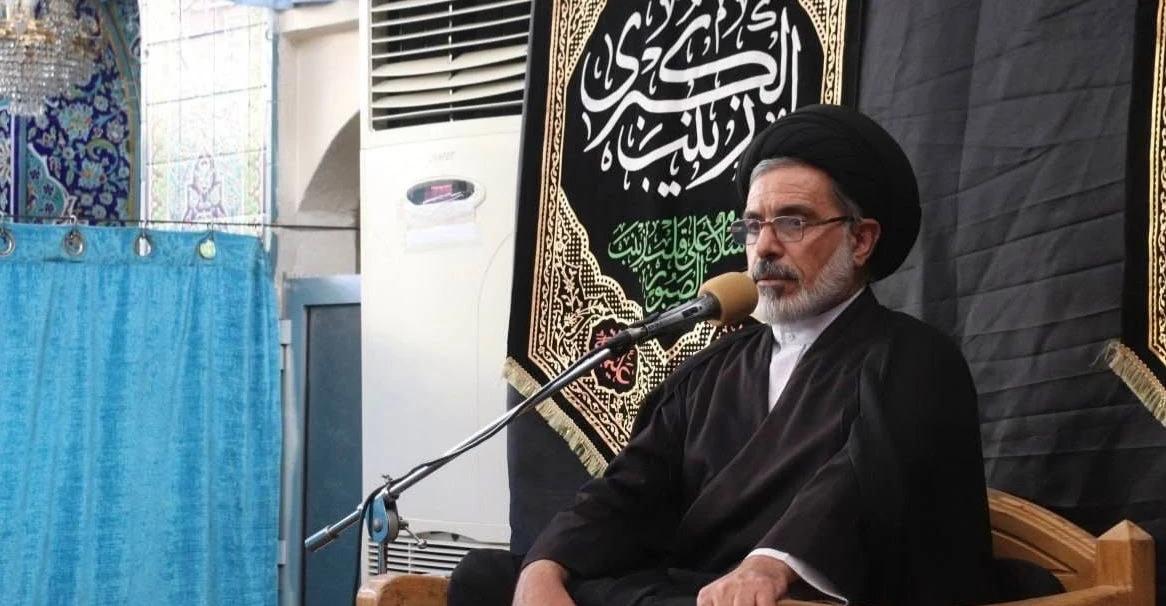
A grenade explosion in the Sayyidah Zaynab area south of Damascus killed Farhan Hassan al-Mansour, the imam who served at the Sayyidah Zaynab mosque shrine, according to multiple reports dated Friday, May 1. SANA said Syria’s Ministry of Awqaf “strongly condemned the attack that targeted the Sayyidah Zaynab mosque Imam” and identified the victim as “Farhan Hassan al-Mansour,” adding that a Ministry of Interior source announced the death after “a grenade explosion in the Sayyidah Zaynab area on Friday afternoon.” 24 News HD reported that state television said “Imam ‘Farhan Hassan al-Mansour was killed in a bomb blast... in the Sayyida Zeinab area,’” and that “Security agencies have begun investigations at the scene” and launched a search for the perpetrators.
PressTV described a grenade attack near the Sayyida Zaynab shrine in which a hand grenade was thrown into Mansour’s car near the Safir al-Zahra hotel, leaving him with “very critical injuries,” before later state media reports said he died. Shafaq News said the Shia Scholars Authority confirmed Mansour was killed instantly when “an assailant threw a hand grenade at the vehicle he was traveling in near the Safir Al-Zahraa Hotel on Al-Fatimiya Street.” Al-Jazeera Net likewise said the imam was killed this Friday afternoon in a hand grenade explosion, with SANA quoting a Ministry of Interior source that he “died of his injuries sustained in the blast.”

Investigation and competing accounts
While all the reports place the blast in the Sayyida Zaynab area south of Damascus and describe it as a grenade attack, they differ on the victim’s condition and on whether the incident is framed as an assassination. SANA said the Ministry of Interior announced that “a grenade explosion in the Sayyidah Zaynab area on Friday afternoon resulted in the death of al-Mansour,” and it added that “investigations are underway to determine the details of the incident.” 24 News HD said state television reported that “Security agencies have begun investigations at the scene” and that it launched “a search for the perpetrators,” while the Shia community’s highest spiritual authority in Syria said Mansour was killed when “his car was targeted with an explosive device.”
The Syrian Observatory for Human Rights monitor, as cited by 24 News HD, called the incident an “assassination” and said it happened “after Mansour left the shrine,” without naming a responsible party. PressTV, citing the Syrian Observatory for Human Rights, said the attack targeted Sheikh Farhan Mansour and that “a hand grenade was thrown into his car near the Safir al-Zahra hotel,” leaving him with “very critical injuries,” and it said he was taken to a hospital “with his fate still unknown.” Shafaq News and Al-Jazeera Net both describe Mansour as killed, with Shafaq News saying he was killed instantly and Al-Jazeera Net saying he “died of his injuries sustained in the blast,” while Al-Jazeera Net also quoted a security source saying “security forces had reinforced their presence at the blast site to prevent citizens from reaching it.”

Awqaf condemnation and accountability
SANA presented the killing as an attack on civil peace and security, quoting Syria’s Ministry of Awqaf as condemning the assault and describing it as a “criminal act that threatens the security and stability of society.” In its statement on Friday, the ministry stressed that “such assaults constitute a direct threat to civil peace and aim to undermine the unity of Syrians and destabilize their social fabric.” SANA also said the Awqaf ministry reiterated “its full support for the efforts of the Internal Security Forces to pursue the perpetrators, uncover the circumstances of the incident, and bring those responsible to justice in accordance with the law.”
The same SANA report tied the death to a grenade explosion and said the Ministry of Interior announced the death of al-Mansour while “investigations are underway to determine the details of the incident.” 24 News HD similarly described state media framing, saying state television reported that “Security agencies have begun investigations at the scene” and launched “a search for the perpetrators.” Al-Jazeera Net, citing SANA, said the Ministry of Interior source added that “investigations are ongoing to determine whether the explosion was the result of a targeted attack, or otherwise,” while also noting that specialized teams began work after security forces reinforced their presence at the blast site.
Sectarian tensions and prior violence
Several reports place the killing within a broader pattern of sectarian violence and attacks on religious sites after the fall of the Assad government in late 2024. 24 News HD said religious minorities have expressed increased safety concerns “since Islamists took power in December 2024 after overthrowing longtime Syrian ruler Bashar al-Assad,” who was “backed by Shia-majority Iran.” It added that Shias are estimated to number “just 300,000” in Sunni-majority Syria and are mainly concentrated around Damascus as well as in Homs, Aleppo and Idlib provinces.
The report also described how the Shia community quickly moved to support the new authorities, saying “senior figures last year met Syrian President Ahmed al-Sharaa, who has pledged to protect minorities in the multi-sectarian, multi-ethnic country.” At the same time, 24 News HD said last year saw “massacres among Syria's Alawites,” sectarian bloodshed involving the Druze minority, and “a suicide bombing at an Orthodox church in Damascus,” raising fears. PressTV and Rudaw.net both linked the attack to “rising sectarian tensions in Syria since the fall of the government of former president Bashar Assad in late 2024,” and they pointed to other religious-site violence including “the bombing of the Mar Elias Church in Damascus in June.”

Local shrine security and uncertainty
Rudaw.net reported that after the collapse of the Assad regime and the rise of the new government in Damascus, the Sayyida Zaynab shrine saw “a sharp decline in visitors,” and it described how coordination with new authorities was underway to secure the site amid unrest. It said that “Jamal Awad, head of the Sayyida Zaynab shrine, told Rudaw there was no danger facing the shrine or the surrounding area and that coordination was underway with the new authorities to secure the site amid the unrest.” The same Rudaw.net report said state media cited security forces as confirming the grenade attack and that “investigations are ongoing to identify the suspect,” while also stating that state media “did not report any casualties or injuries.”
PressTV similarly said security forces imposed a strict cordon around the site, adding that “Security forces later imposed a strict cordon around the site of the blast,” and it said state media confirmed a grenade attack and that “investigations were underway to identify the suspect,” without reporting casualties or injuries. Al-Jazeera Net, however, described a different stage of the response, saying a security source stated that “security forces had reinforced their presence at the blast site to prevent citizens from reaching it, with the specialized teams beginning work to determine its details,” and it said the blast was found to have been caused by “a hand grenade.” Shafaq News described the attack as an assassination by the Shia Scholars Authority, stating Mansour was “killed instantly” when the grenade was thrown near the Safir Al-Zahraa Hotel on Al-Fatimiya Street.