Yemenupdated 32m ago2 min read
Hakan Fidan Says Turkey Assesses Saudi Defense Under Mecca Pact, Rules Out Offensive Troops
This article is an automated aggregation of coverage from news outlets. Our editorials offer in-depth analysis curated by the NewsCord team.
Pakistan and Turkey plan deployments to Saudi Arabia under the Mecca Defense Agreement. Turkey will not deploy troops offensively; Mecca Pact is defensive and mutual.

Pact targets Houthi attacks
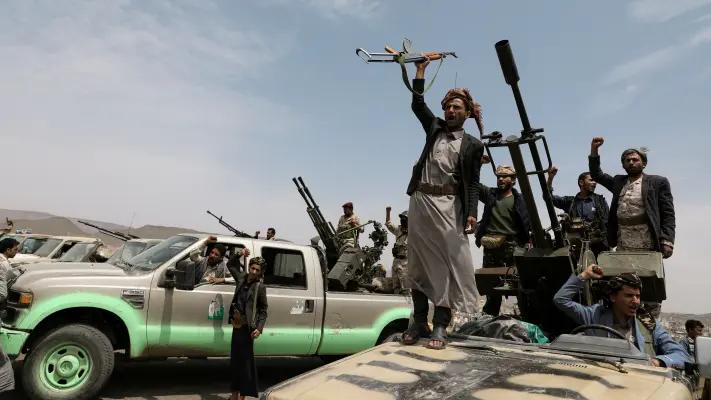
Turkey’s Foreign Minister Hakan Fidan said Ankara is assessing how it can help Saudi Arabia defend against attacks by Yemen’s Iran-aligned Houthi militants under the Mecca Joint Defence Agreement, while ruling out Turkish participation in offensive operations.
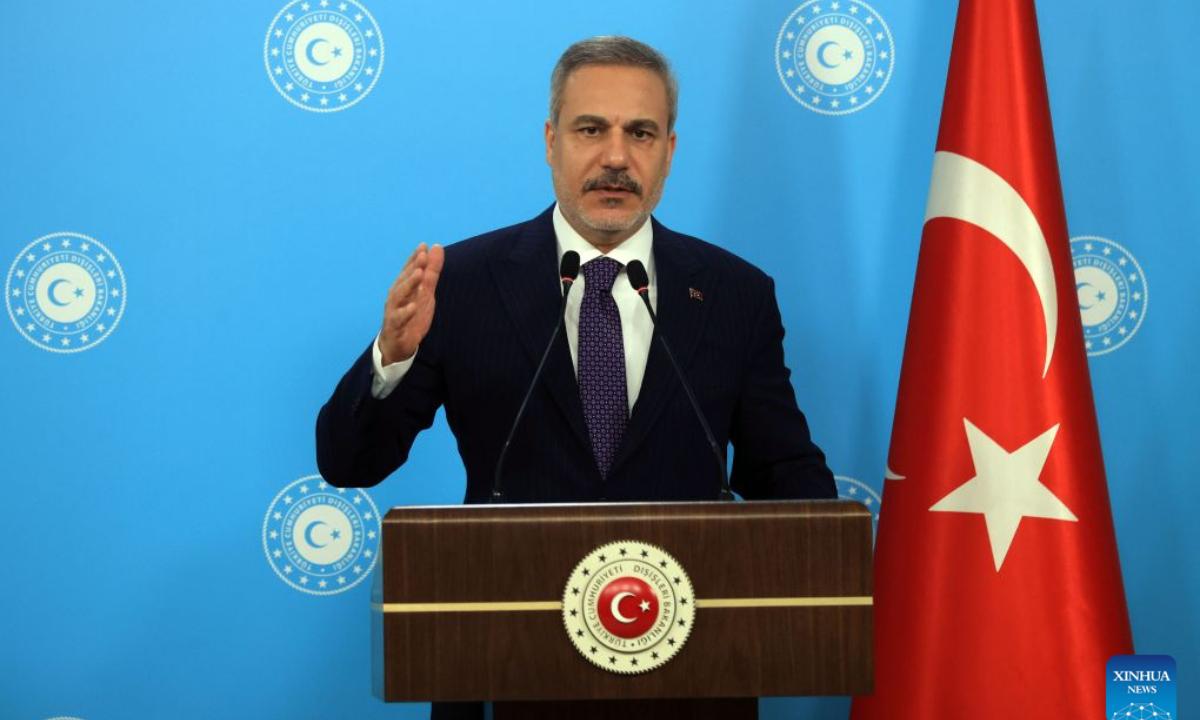
Fidan told a joint press conference in Ankara that the pact is defensive rather than offensive, saying, "This is not an offensive agreement. Turkey will not send troops to another country to carry out attacks on its territory,".
The Reuters account said the three countries agreed on Monday to move immediately to implement collective defence commitments and ensure the "rapid deployment" of military forces and capabilities in Saudi Arabia.
Military delegations were determining Saudi Arabia’s operational defence needs and what contributions Turkey and Pakistan could make, with Yemen’s legitimate government forces continuing the battle on the ground while Saudi Arabia supports them.
The Mecca Joint Defence Agreement, signed in August by Saudi Arabia, Türkiye, and Pakistan, treats an armed attack on one member as an attack on all, placing Yemen’s Houthi attacks at the center of the pact’s first test.
What Turkey says it will do
Fidan said Turkey is studying possible contributions, particularly in air defence, electronic warfare and technical support, and Reuters reported that Turkish officials framed any support as defensive and technical.
Fidan said, "But this is a defensive agreement. When a country party to the pact comes under attack, you stand by it in its defence,".
The Reuters report also said two officials told Reuters that Turkey was sending mainly defensive and technical support to Saudi Arabia, and it added that Turkish officials said much of the support would be bilateral because Turkey’s parliament has not officially ratified the joint defence pact.
The October 5 emergency meeting of the Strategic Political and Defense Committee of the newly established "Mecca Coalition" in Riyadh produced decisions to transition from theoretical frameworks and paper agreements to practical field implementation of "collective defense" obligations.
Al-Mashhad al-Yamani further asserted that Saudi Defense Minister Prince Khalid bin Salman confirmed activation of measures for collective deterrence to protect the Kingdom’s lands and Islamic holy sites.
First test and regional stakes
The Houthis stepped up missile and drone attacks on Saudi Arabia, and Saudi officials stated attacks on the airports in Abha and Riyadh on Wednesday killed three people and injured 36. The three countries have held political and military meetings in response to the Houthi attacks since the pact was signed in August. Islamabad sent military reinforcements ranging from 8,000 to 10,000 troops, along with a squadron of fighters comprising about 16 combat aircraft, drones, and advanced air defense systems.
The Pakistani Army spokesperson Lieutenant General Ahmed Sharif Chaudhry said Pakistan would go "wherever necessary" to protect Saudi sovereignty and that protection of the holy sites of Islam (Mecca and Medina) is an utmost and non-negotiable interest. The immediate stakes centered on ensuring rapid deployment of agreed forces and capabilities in Saudi Arabia under the Mecca pact as the Houthi campaign intensifies.