Gaza Genocide03 October, 20252 min read
Hamas Agrees to Release Israeli Hostages While Demanding Changes to US Gaza Peace Plan
This article is an automated aggregation of coverage from news outlets. Our editorials offer in-depth analysis curated by the NewsCord team.
Hamas agreed to release all Israeli hostages based on conditions in Trump’s peace plan Hamas demands renegotiation of key clauses before fully accepting the US 20-point Gaza peace plan

7 outlets told this the same way.
Outlets did split on Thousands March in London Calling for Britain to Stop Arming Israel and Impose Sanctions →
US Peace Plan and Hostage Exchange
Hamas has agreed to release all remaining Israeli hostages as part of a proposed exchange in the US peace plan, which was unveiled by President Trump. The plan requires Hamas to release hostages within 72 hours in exchange for the release of Palestinian prisoners. However, Hamas has not accepted the plan's demands for disarmament or relinquishing governance of Gaza.
“Hamas has agreed to release all remaining Israeli hostages based on the exchange formula in the US peace plan proposed by President Trump.”
The US plan also calls for a ceasefire and envisions a Palestinian technocratic body taking over Gaza's administration without Hamas involvement. President Trump has set a deadline for Hamas to accept the plan, warning of severe consequences if they refuse. The plan has received mixed reactions internationally, with some European and Middle Eastern leaders welcoming it, while others, like the Palestinian Authority, express cautious support.
Gaza Conflict and Peace Efforts
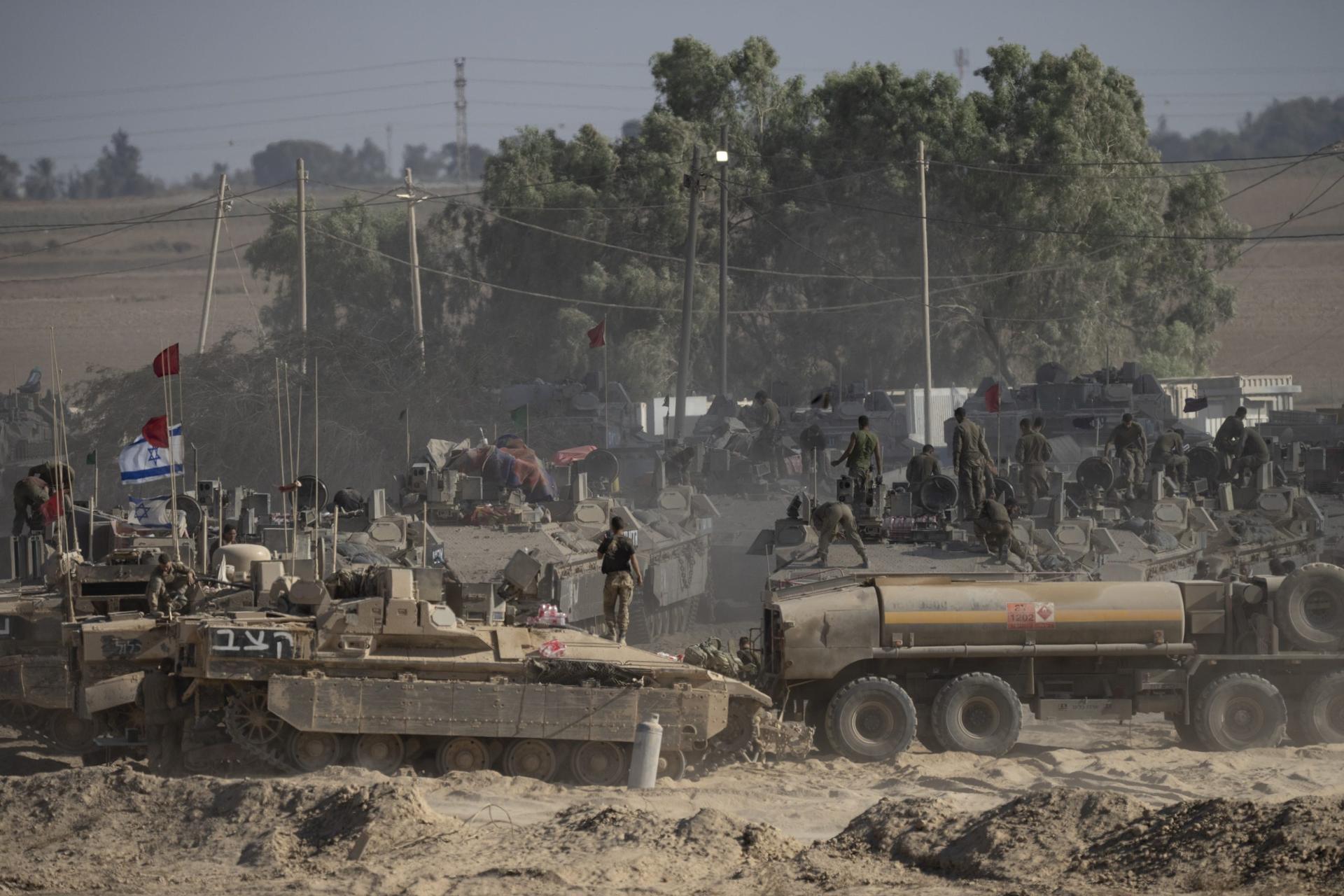
The Israeli military's ongoing operations in Gaza have resulted in a devastating death toll, with over 66,000 Palestinians killed, mostly civilians. The US peace plan aims to halt these operations by facilitating a ceasefire and prisoner exchange. However, the plan's conditions, including the disarmament of the militant group controlling Gaza and their exclusion from governance, are unacceptable to that group.
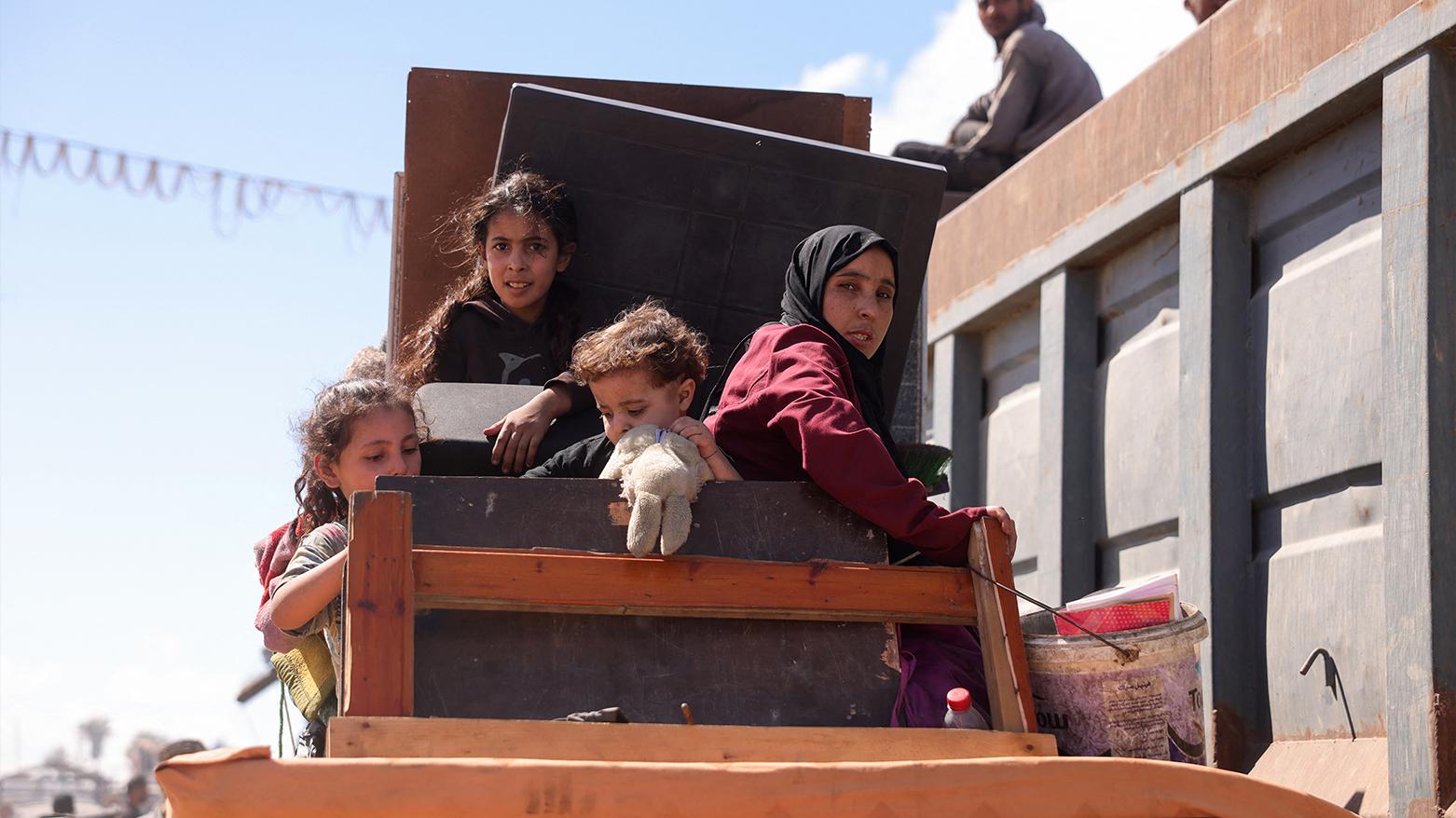
The humanitarian situation in Gaza is dire, with the World Health Organization reporting a collapsing health system and over 417,000 people displaced. Internationally, there is pressure on Israel, as several Western countries recognize Palestinian statehood but insist the militant group cannot be part of any future government.
Hamas Divisions on Peace Plan
Hamas's internal divisions over the US peace plan reflect differing views on key terms such as disarmament and governance. Some factions within Hamas support unconditional acceptance of the plan based on guarantees from former President Trump and mediator oversight. Other factions oppose these terms, favoring conditional approval that meets resistance groups' demands.
“Within Hamas, there are internal divisions over a proposed ceasefire plan: one faction supports unconditional acceptance based on former President Trump's guarantees and mediator oversight, while another opposes key terms like disarmament and Palestinian expulsion.”
Qatar is actively mediating to pressure Hamas into agreement but faces challenges in reconciling differing views among Hamas leaders in Doha, Gaza, and other factions. The plan's success hinges on Hamas's acceptance and the resolution of these internal disagreements.
Global Responses to US Peace Plan
International reactions to the US peace plan are varied, with some countries supporting the initiative while others express skepticism. The EU and Russia offer conditional support, with Russia emphasizing a two-state solution. France's foreign minister calls for Hamas's surrender, blaming the group for Palestinian suffering.
Meanwhile, Egypt strongly opposes any forced displacement of Palestinians, viewing it as harmful to their cause. The US State Department condemned a Gaza flotilla as a provocation and emphasized the focus on implementing Trump's peace plan, which it described as a historic opportunity for lasting peace.