Gaza Genocide · 16 August, 2026 · 3 min read
Jared Kushner Meets Hamas and Netanyahu in Egypt to Salvage Trump’s Gaza Peace Plan
Kushner meets Hamas leaders in Egypt to revive Trump's Gaza plan. Mediation by Egypt, Qatar, and Turkey accompanies Kushner-Hamas talks.
134 outlets told this the same way.
Outlets did split on Lebanese Army Says Israeli Strike Triggered Explosion of Suspicious Object Injuring Four →
6 of 8 outlets skipped it: US plan rejection is condemned by multiple Muslim-majority countries..
The Jerusalem Post was read line by line by the Watchdog: 5.4. See the score →
134outlets compared
Kushner’s Gaza push
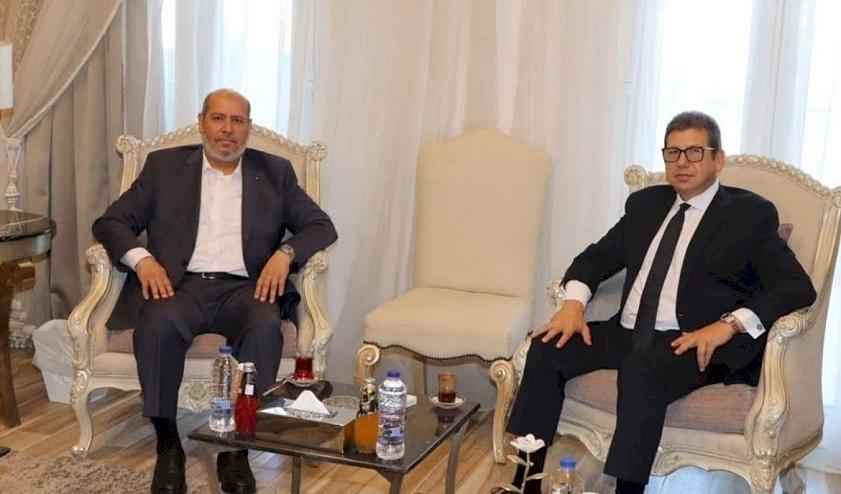
Jared Kushner met Hamas and Israeli Prime Minister Benjamin Netanyahu in an effort to salvage Donald Trump’s Gaza peace plan, with Kushner’s trip framed as a bid to prevent the agreement from collapsing after a timetable for disarmament and troop withdrawal passed. ABC News reported that Kushner held a rare meeting with the Hamas leader in Egypt, and said Kushner would meet Netanyahu on Monday as the 60-day negotiating period tied to a June 17 interim U.S.-Iran agreement was set to end without an extension. The ABC | Western Mainstream account said Trump’s plan was based on Hamas’s disarmament and the Israeli army’s withdrawal from the Strip, while Israel rejected the plan and demanded Hamas be completely disarmed before Israeli forces leave Gaza.
In the ABC | Western Mainstream report, Israel’s position was captured in Netanyahu’s rejection of the plan’s timing, and it quoted Israel’s stance: “In the face of those who lecture us, we do what is necessary for the security of Israel.” The ABC | Western Mainstream story also said Kushner met in Egypt with Hamas leader Khalil Al-Hayya, and that two senior figures of the Peace Council, Nickolay Mladenov and former British prime minister Tony Blair, participated in the meeting with Al-Hayya and would accompany Kushner on his visit to Netanyahu.

Condemnations and scepticism
Five Arab countries, along with Türkiye, Pakistan and Indonesia, condemned Israel’s rejection of Donald Trump’s Gaza plan, saying Israel was “obstructing the efforts to bring peace in Gaza” as Kushner met Hamas officials in Egypt. The joint statement quoted by ABC News & Headlines – Australian Broadcasting Corporation said, “Rejecting the Road Map constitutes an explicit refusal to proceed with the implementation of the Comprehensive Plan,” and warned it “directly threatens to derail” U.S. efforts to end war in Gaza. ABC News & Headlines – Australian Broadcasting Corporation reported that Hamas said it would hand over its weapons to a new Palestinian governing body as part of the latest stage of a Gaza ceasefire declared by Trump, while Netanyahu voiced scepticism that Hamas would give up its weapons.
Al Jazeera reported that Hamas leaders met Kushner in Egypt with the objective of translating the roadmap’s obligations into “concrete, verifiable steps,” and said a Palestinian source told Al Jazeera that Hamas briefed Kushner on Israel’s ceasefire violations. Al Jazeera also reported that a senior Israeli official said Kushner and Board of Peace envoy Mladenov were scheduled to meet with Netanyahu on Monday, with Israel concerned about Washington’s demand to end targeted assassinations of Hamas fighters in Gaza.

What’s at stake next
The dispute over disarmament and withdrawals shaped the next steps, with ABC | Western Mainstream saying the plan presented on July 30 gave Hamas and Israel two weeks to agree on a timetable for disarmament and troop withdrawal and that the deadline had passed. Al Jazeera reported that Kushner’s meetings in Egypt with Hamas leadership aimed to translate roadmap obligations into concrete steps, including beginning to transfer governing responsibilities to the National Committee for the Administration of Gaza and ensuring Hamas has no role in Gaza’s future administration. Al Jazeera also quoted a Hamas statement that it emphasised its “acceptance” of the roadmap for the second phase during the meeting with “delegations from the mediators and guarantors of the ceasefire agreement in Gaza,” while saying Israel “failed to implement this phase” and “explicitly rejected the roadmap.”
Al Jazeera reported that Palestinians and Israelis were sceptical an agreement was possible as Kushner pushed Trump’s 15-point Gaza roadmap, which Israel had already rejected, and it placed the meetings alongside continued Israeli strikes in Gaza. Al Jazeera further reported that Netanyahu said Israel “will not carry out any withdrawal until Hamas is genuinely disarmed,” and that Israeli Defence Minister Israel Katz said troops would remain in occupied “security zones” in Lebanon and Syria, declaring continued Israeli military presence across all three fronts.