Gaza Genocide · 15 August, 2026 · 3 min read
Palestinian Ministry of Health Warns Gaza Hospitals Face Oxygen Supply Halt
Only 12 of Gaza's 34 oxygen plants remain operational. The remaining plants run beyond capacity amid frequent breakdowns and spare-part shortages.
22 outlets told this the same way.
2 of 3 outlets skipped it: al Jazeera shows a boy's oxygen ration and near-coma risk story.
22outlets compared
Oxygen stations nearing paralysis
The Palestinian Ministry of Health warned that Gaza hospitals face the risk of a complete halt to oxygen supplies as oxygen plant operations decline and spare parts and maintenance supplies are scarce.
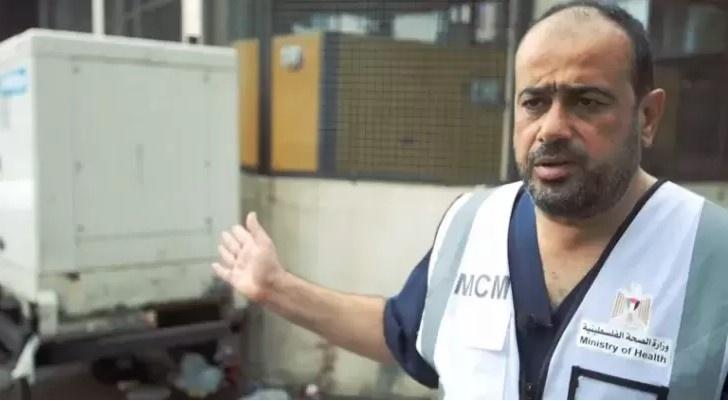
In Gaza City, the director of the Al-Shifa Medical Complex, Dr. Mohammed Abu Silmiya, said the oxygen crisis represents a new crisis added to a series of health sector crises, confirming that hospitals no longer face a shortage of medicines and medical supplies alone but are also struggling to secure “oxygen and air” for patients.
Al Jazeera’s correspondent from Deir al-Balah, Ashraf Abu Amra, reported that only 12 out of 34 oxygen stations are still operating under extremely difficult technical conditions, while the oxygen station at Shuhada al-Aqsa Hospital in Deir al-Balah has completely halted.
The Al Jazeera report said the oxygen station at Al-Shifa used to house 10 oxygen stations but only two remain, and it warned that continued malfunction of oxygen stations threatens the lives of premature babies in incubators, ICU patients, and patients relying on mechanical ventilation.
Rationing breaths, saving time
At Shuhada al-Aqsa Hospital in Deir al-Balah, Al Jazeera’s report described the case of child Bassam al-Kilani, whose mother said she struggles to secure 3 liters per minute and fears that an outage could worsen his condition. Bassam’s mother recalled that the oxygen cylinder ran out one night, leaving the family unable to sleep as they ventilated their child until morning, and she said his oxygen level had previously fallen to 70%.
Khalil al-Daqran, the spokesman for Shuhada al-Aqsa Hospital, said the situation inside the Ministry of Health is "extremely tragic," because oxygen is fundamental to providing health care, especially in intensive care, incubators, industrial kidney units, emergency departments, and operating rooms. In the same Al Jazeera report, Mohammed Abu Afsh, the head of Medical Relief in the Gaza Strip, warned that stopping the oxygen generation service could mean, in his words, a "death sentence" for many patients, because it is not about a single service but about intensive care, incubators, industrial kidneys, and surgeries all dependent on a stable supply.
Maintenance blocks and hospital risk
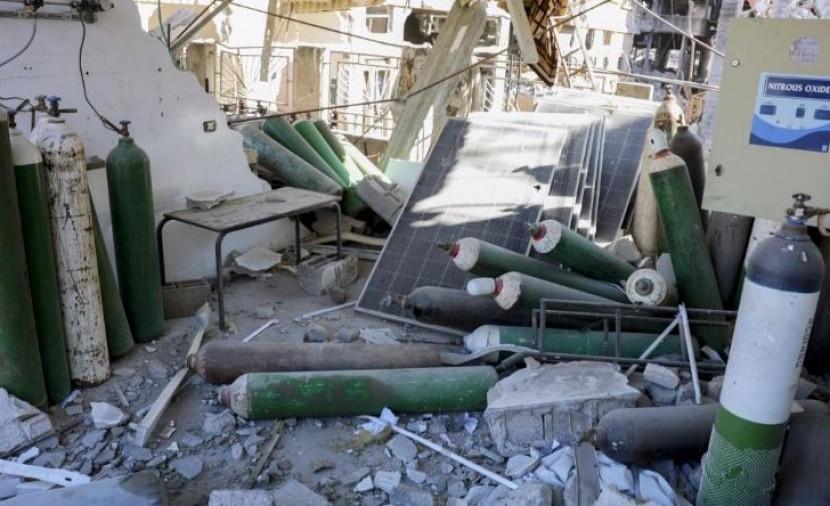
The Palestinian Ministry of Health warned that only 12 oxygen plants out of 34 remain in operation and that only 4 oxygen cylinder filling machines out of 30 are still working, with engineering teams unable to perform emergency maintenance interventions. The Palestinian Center for Media (Palestinian Information Center) said the operating capacity of the remaining plants has been exhausted and is operating beyond its maximum capacity amid ongoing frequent breakdowns and the inability of maintenance teams to handle them.
In Khan Yunis, the Gaza Ministry of Health said that at Nasser Medical Complex only two of the six plants are functioning, along with one filling device of four devices, which threatens to cut off oxygen supplies to hospitals and patients receiving it at home or in tents, including newborn babies. The Ministry of Health called for the immediate and direct opening of routes for bringing in spare parts and technical equipment necessary for maintaining the oxygen plants, as well as urgent emergency supply of new plants, to prevent interruptions to supplies and the potentially serious consequences for patients and infants.