Gaza Genocide26 February, 20252 min read
Hamas Kills Bibas Family in Gaza Captivity as Relatives Accuse Israeli Officials of Negligence
This article is an automated aggregation of coverage from news outlets. Our editorials offer in-depth analysis curated by the NewsCord team.
Shiri Bibas and her two young sons were abducted and killed by Hamas militants in Gaza. The Bibas family publicly accused Israeli officials of negligence and demanded accountability.

9 outlets told this the same way.
Outlets did split on Thousands March in London Calling for Britain to Stop Arming Israel and Impose Sanctions →
Funeral and Public Mourning in Israel
Israelis buried Shiri Bibas and her young sons Ariel, aged 4, and Kfir, aged 9 months, after their remains were returned from Gaza under a ceasefire arrangement. Thousands of people lined the procession route and gathered at Hostages Square in Tel Aviv as the family was laid to rest near Nir Oz. Yarden Bibas delivered a eulogy during the funeral while national leaders expressed their mourning.
“The family and relatives of Israeli mother Shiri Bibas and her two young sons, Ariel (4 years old) and Kfir (9 months old), held a funeral in southern Israel after their remains were returned from Gaza.”
Media coverage across various outlets documented the mass public grief and the high-profile nature of this case. The Associated Press emphasized the widely watched funeral and the enduring image of Shiri from 7 October. RTE highlighted the truce context and the large crowds attending the funeral.

KSBY focused on the kibbutz burial and included a statement from President Isaac Herzog. WSVN showed parallel memorials held by the diaspora community in South Florida.
Conflicting Reports on Deaths
Accounts of how the mother and children were killed sharply diverge across sources. Middle East Eye reports that Hamas said an Israeli airstrike in November 2023 killed them in captivity. RTE underscores that Israeli post-mortems found no blast injuries, casting doubt on an airstrike as the cause.
WSVN reports Israeli officials said Shiri and the boys were strangled about a month after capture. KSBY states plainly that they were abducted and killed by Hamas. RTE also notes Hamas first returned the wrong remains, calling it a confusion-related mix-up.
Accusations and Responses in Israel
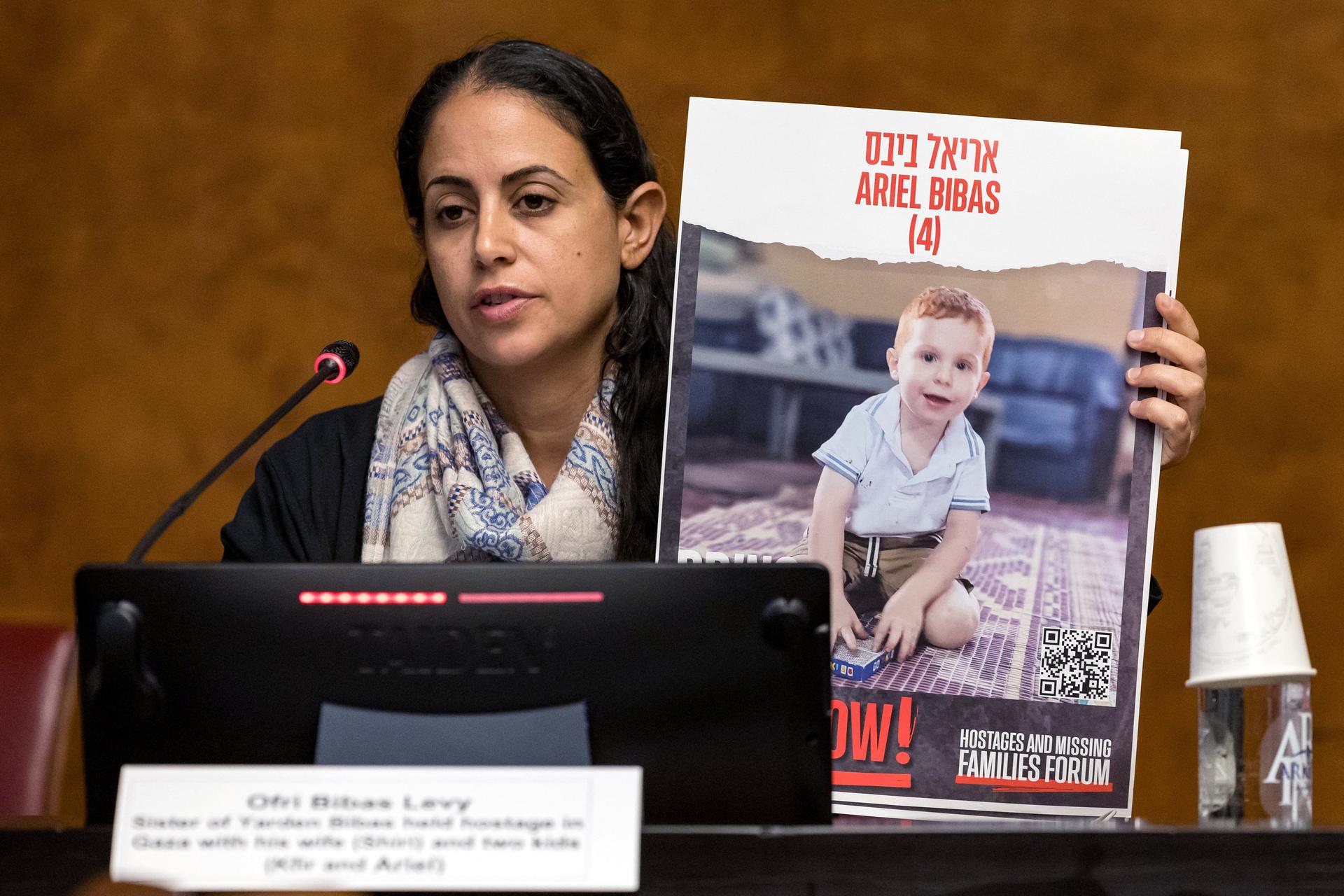
Relatives accuse Israeli leaders of negligence and political exploitation. Middle East Eye quotes family members urging Prime Minister Benjamin Netanyahu to stop exploiting the deaths. IDF spokesperson Daniel Hagari said Israel had intelligence confirming the deaths but still publicly demanded the captives’ release alive.
“Relatives of two Israeli infants and their mother, who died in captivity in Gaza, have urged Prime Minister Benjamin Netanyahu and his government to stop exploiting their deaths for political purposes.”
RTE echoes the demand for accountability, with Ofri Bibas calling on officials to take responsibility for failures that, she argues, prevented a rescue. AP’s write-up emphasizes national mourning and symbolism rather than these accusations, reflecting a different editorial focus.
Ceasefire and Body Returns
The return of the Bibas remains took place amid a ceasefire framework that has also involved further exchanges. AP reports the bodies were returned as part of a ceasefire with Hamas. KSBY details a broader deal—Hamas to release the bodies of four more Israeli hostages in exchange for over 600 Palestinian prisoners—saying Israel briefly paused the arrangement before proceeding, with talks about extending the current phase.
WSVN notes additional handovers during the ceasefire. RTE frames the return under a truce that capped more than 15 months of war in Gaza.

Funerals and Public Mourning
The wider picture includes additional funerals and public memory. RTE and WSVN note the funeral of 85-year-old peace activist and former journalist Oded Lifshitz. RTE reports that his wife condemned the violence.
“The article also mentions the funeral of Oded Lifshitz, a peace activist and former journalist who died in captivity; his wife condemned the violence despite their long-standing efforts for peace.”
AP highlights the enduring power of the image of Shiri from the day of the attack. AP also notes sustained public gatherings at Hostages Square. KSBY and WSVN capture parallel national and diaspora mourning.
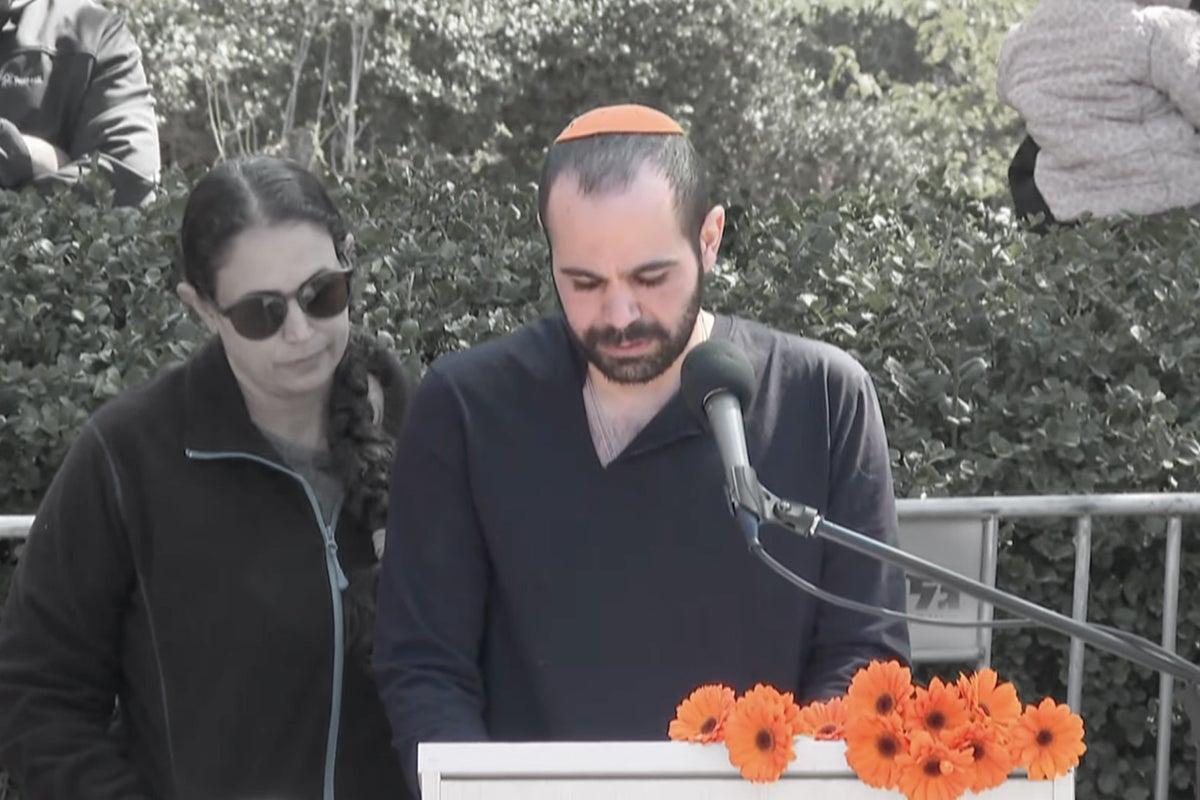
These reports include Herzog’s statement and the Florida vigil. They show how grief and demands for accountability coexist in Israel and abroad.