Full story
Southern Lebanon fighting resumes
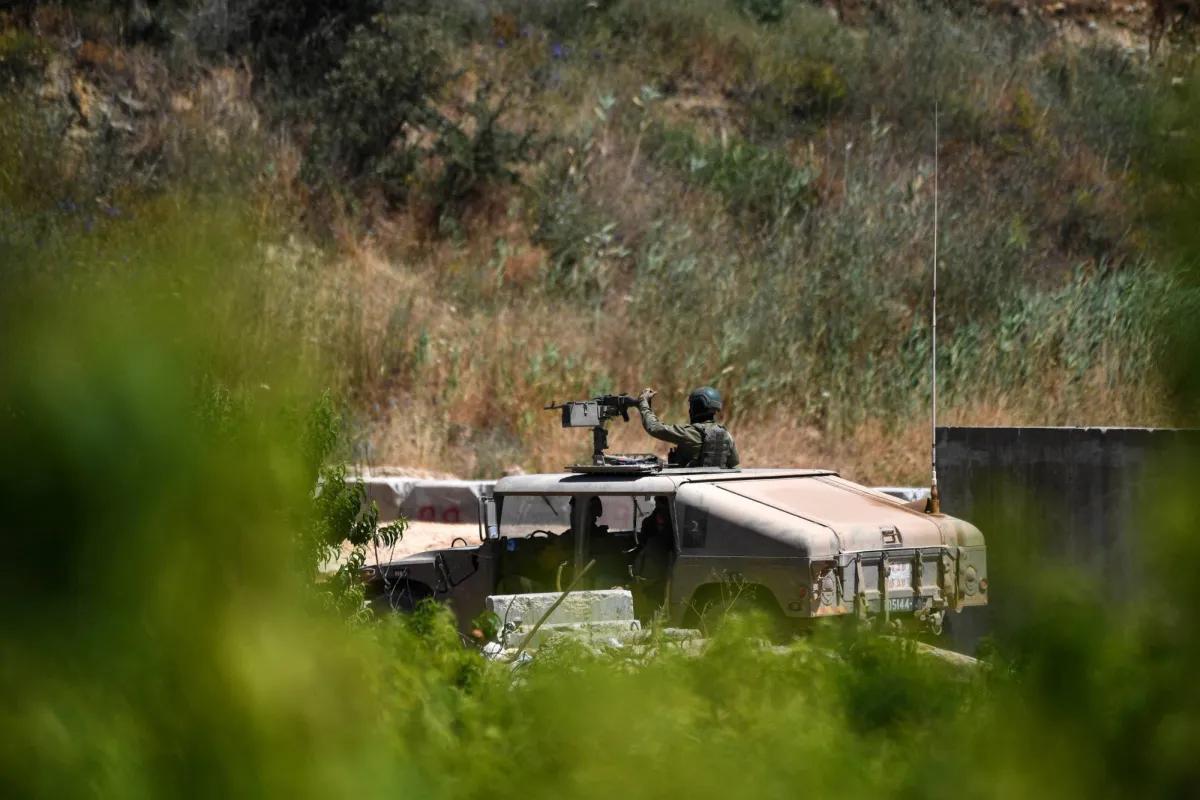
In southern Lebanon, Hezbollah announced it destroyed three Israeli tanks during deadly clashes, saying its fighters targeted "three Merkava tanks with guided missiles, causing their destruction and setting them ablaze" after observing an Israeli armored unit and infantry unit attempting to move toward the northern side of Mount Ali al-Tahir overlooking Nabatieh.
“In the south of the Litani River, the Israeli army is consolidating its territorial grip in spite of the ceasefire reached at the end of November 2024 with Hezbollah”
The same reporting described how the pace of attacks and military operations slowed but did not stop completely after Monday, when a framework of understanding between Washington and Tehran was announced and welcomed by Hezbollah.

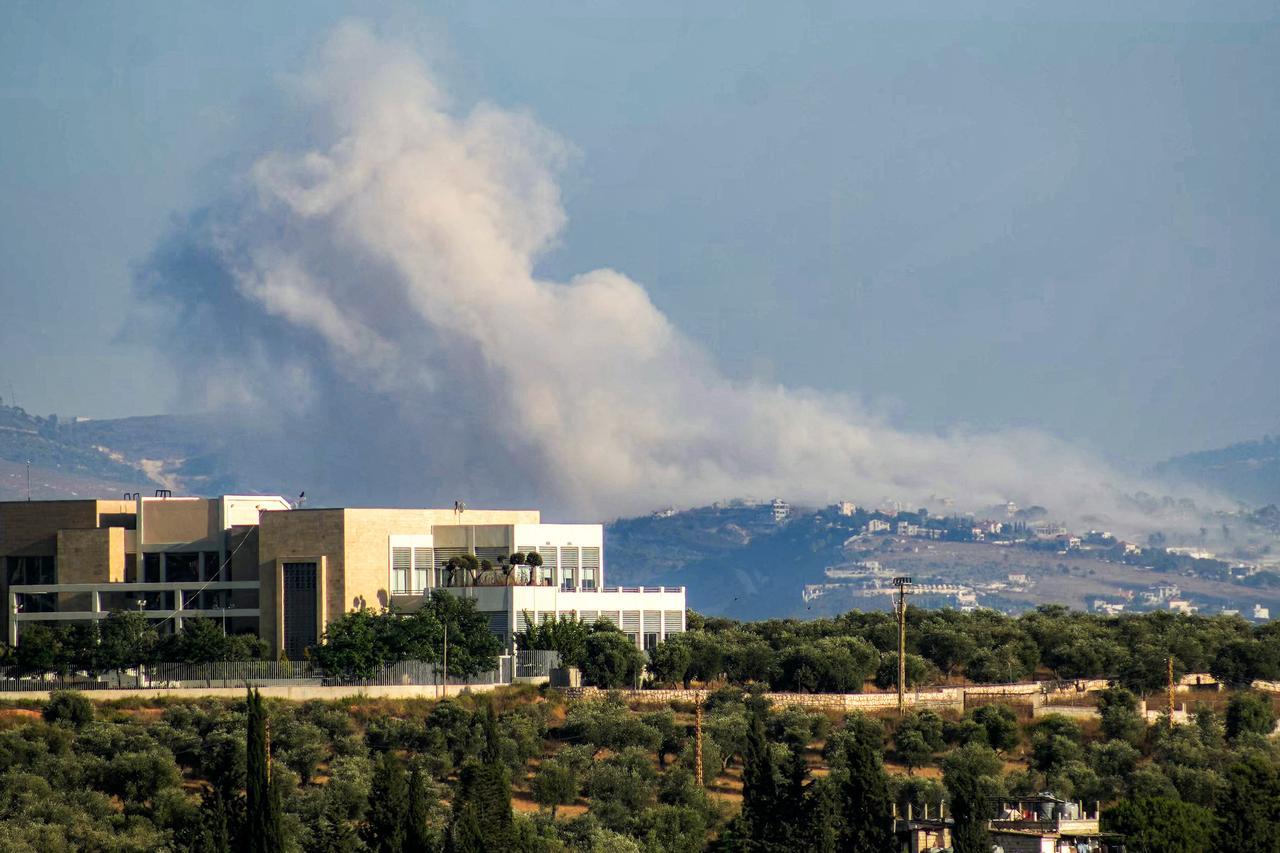
Hezbollah also said the clashes were still ongoing at the time of issuing its Friday statement, while Lebanese media reported continued artillery shelling and Israeli strikes around towns near Nabatieh.
In parallel, the Lebanese Health Ministry announced a toll of "3,912 dead and 11,873 wounded" as a result of Israeli attacks and raids on Lebanon since March 2, while the Israeli side reported "31 soldiers and one civilian contractor were killed."
Ceasefire claims and counterclaims
Al Jazeera reported that eight people were killed in the predawn hours of Friday in an Israeli airstrike targeting the town of Harouf in the Nabatieh District of southern Lebanon, citing the Lebanese Civil Defense for Al Jazeera.
In the same account, the Israeli army said it would continue attacking targets affiliated with Hezbollah in the south, confirming that it hit Hezbollah infrastructure during the night and saying the attacks and raids are still ongoing under the pretext of responding to repeated violations of the ceasefire by Hezbollah.

Hezbollah, for its part, said it spotted an Israeli force attempting to infiltrate toward the northern part of Ali al-Taher high ground and that it lured the force and engaged it with various weapons, destroying three Merkava tanks with guided missiles.
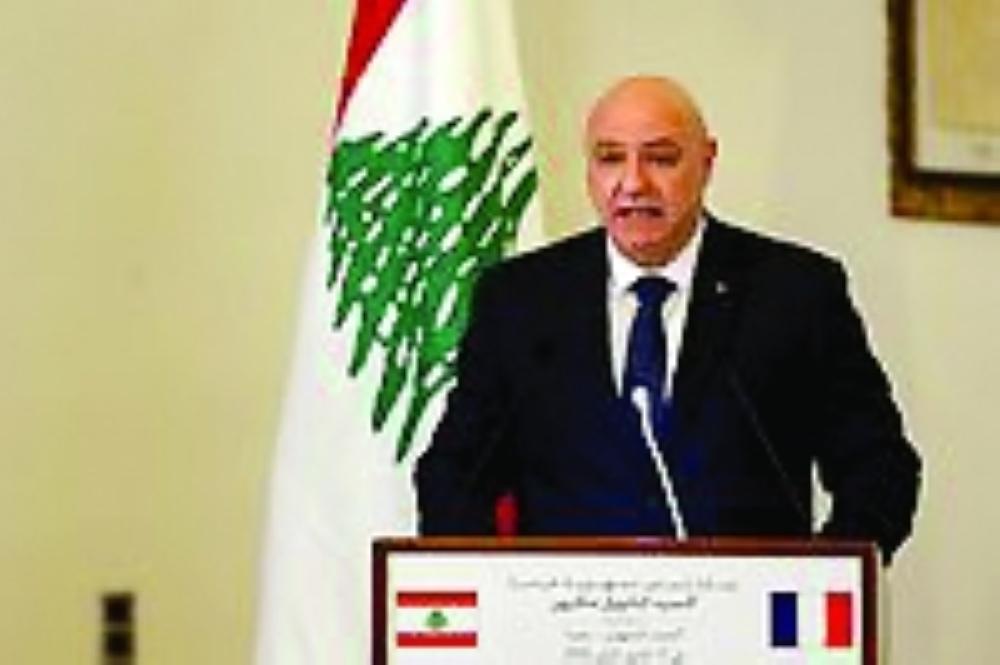
On the diplomatic track, the Lebanese presidency said President Michel Aoun chaired a preparatory meeting for negotiations to begin on June 23, with a negotiating delegation given directives including the final ceasefire and the withdrawal of Israeli forces from the territories they occupy.
What is at stake next
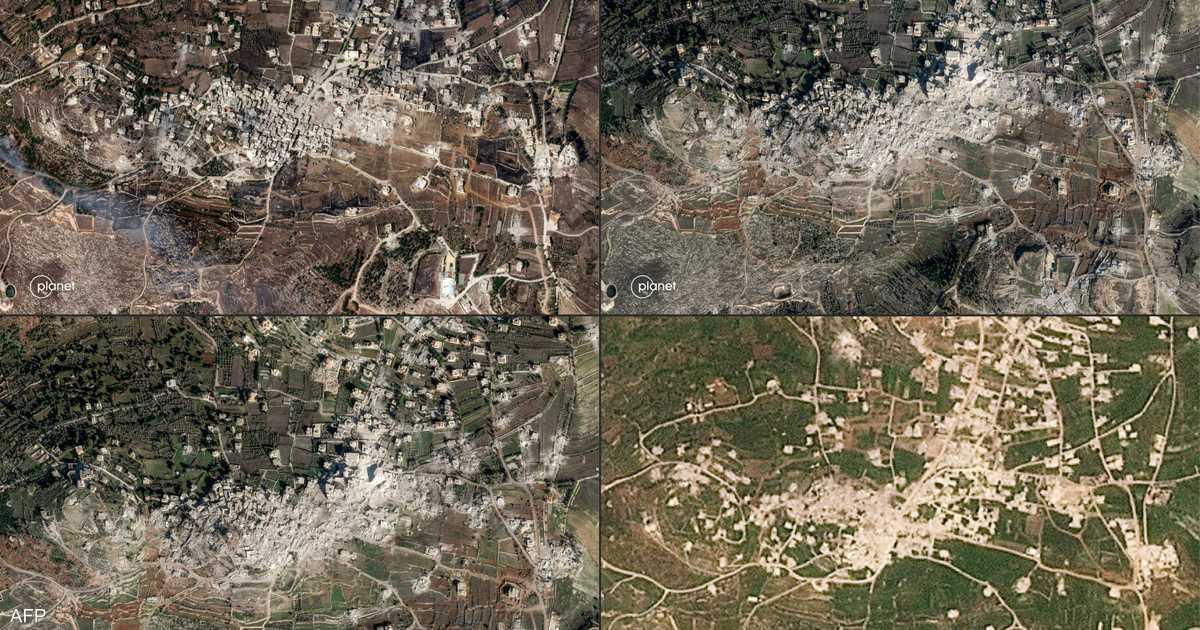
The New Arab framed the broader stakes in southern Lebanon as a shift in Israel’s approach, saying Israel occupies swathes of southern Lebanon within a buffer zone it calls the "Yellow Line" and that entire border towns and villages have been razed while hundreds of thousands remain displaced.
“Friday, 17/07/2026 ArEnFrEs [](http://almanar”
Conflict analyst Nasser Khdour of ACLED said Israel appears to be shifting toward a "dynamic forward defence" that relies on surveillance, drones, and rapid precision strikes rather than maintaining large numbers of troops inside Lebanon, adding, "I don't think Israel wants to return to the old model of keeping permanent bases inside Lebanon."
The same New Arab account said ACLED data shows Israeli operations became more deliberate rather than less frequent after 21 June, with Israeli shelling, airstrikes, and drone attacks dropping from an average of nearly 60 attacks per day between 1 and 20 June to around seven per day between 21 June and 6 July.
In parallel, Anadolu Ajansı reported that Hezbollah said its operations in southern Lebanon came "in defense of Lebanon and its people, and in response to Israeli violations of the ceasefire and the attacks that hit villages in southern Lebanon," as it described eight attacks on targets of the Israeli army and the destruction of four Merkava tanks and an armored vehicle.