A24
"We are not the terrorists": Iran’s response to Donald Trump
 Aajil
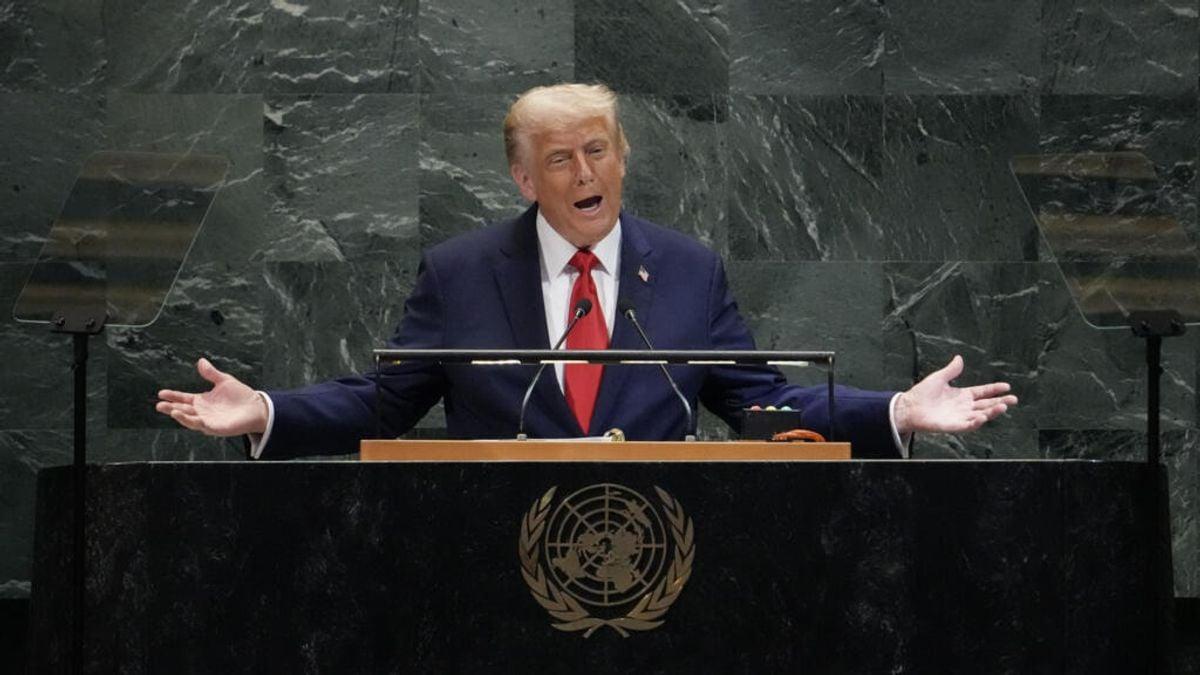
Iran and Cuba’s delegations walk out of the United Nations during Trump’s speech
 Aajil
US delegation leaves UN General Assembly hall during Iranian president’s speech
 ABC News
Iran live updates: Saudi Arabia intercepts 6 Houthi ballistic missiles, military says
 ABC News & Headlines – Australian Broadcasting Corporation
Iran's president addresses UN after Trump threatens 'annihilation'
 Akhbar al-Khaleej
Hope of progress after the first talks between the United States and Iran in months
 Al Jazeera
Iran’s Pezeshkian slams ‘terrorist’ US but extols diplomacy in UN speech
 Al Jazeera
Can flurry of New York diplomacy lead to US-Iran diplomatic breakthrough?
 al-Ayyam News
Doctors of the United Nations.. Iran needs nuclear energy, not a nuclear bomb
 Al-Bawāba News
Escalation between America and Iran | Bezhkian at the United Nations: Iran does not surrender and the door is open to diplomacy.. Rubio: Reaching an agreement with Iran will require strenuous effort.. and Trump has military options
 Al-Jazeera Net
Who protects Pishkiyan in New York?
 Al-Manar TV Lebanon
Pezeshkian at UNGA: ‘We Do Not Fear War to Defend Ourselves’
 Al-Monitor
At the United Nations, Pezeshkian said Iran is open to talks with the United States, and that the region should settle its disputes on its own.
 Al-Muntaṣaf Net
Trump rejects the Iranian proposal to reach a deal and reopen the Hormuz Strait
 Al-Musalla Al-Hadath Kama Hadath
Beyzshkyan before the United Nations: Iran will not submit
 Al-Sahifa Mal
Oil rises ahead of possible talks between the United States and Iran
 Al-Sharq Lil-Akhbar
Iran is studying the American response to its demands to open the Hormuz; and Rubio: Trump is ready for a deal.
 Al-Watan
The Iranian president raises the image of the former leader Ali Khamenei: “Our heads will not bow, and we will never kneel.”
 Al-Yawm Al-Sābi
Iran Responds to Trump after Threats of Annihilation... What Did They Say?
 Aldiyar
"Reuters": Iran studies the American response.. lifting the blockade is a priority for reopening Hormuz
 Annahar
The American delegation leaves the United Nations hall during the Iranian president's speech... Beshzarian: We will not yield to military pressure
 Annahar
Trump and Iran from Threat to Negotiation... Does the Deal Start?
 Análisis Urbano
Iran threatens with more devastating attacks after Trump’s warnings at the UN
 AP News
Iran’s president delivers defiant UN speech, and other Mideast developments
 Ariabiya
Trump threatens Iran with ‘genocide’ then reveals American-Iranian meeting in New York
 Bab al-Sawt
Pezeshkian in front of the United Nations: Iran is a “victim of terrorism” and not as we described Trump as the “terrorists”
 BBC
Masoud Bezhkian addresses the United Nations today, and Trump reveals talks that are “very productive” with Iran
 BBC
Iran's president tells Trump it will never 'bend the knee'
 BBC
US and Iran hold first talks since June after Trump's 'annihilation' threat
 BBC
Massou d Peisaki an speech at the United Nations: Iran will never bow to any surrender
 BBC
Watch: What messages did the US and Iran send about the war?
 bitacora.uy
Pezeshkian says Iran will not yield after Trump's threat of annihilation
 Cadena 3 Argentina
Iran’s president denounces U.S. terrorism before the UN General Assembly
 CBC
Iran's president says country won't surrender after Trump threat to 'annihilate' Islamic republic
 CBS News
Iran War Updates: Oil prices back up as U.S. and Iran trade fresh threats to expand 7-month war
 CNBC
Iran's president blames U.S., Israel for global instability in defiant UN speech
 CNews
Hormuz Strait, "American terrorism"... What to remember from the Iranian president's speech before the United Nations General Assembly
 CNN
Live updates: Iran’s president says ‘we will never bow our head’ to Trump in defiant UN speech
 CNN
Iran’s President in defiant UN speech: ‘We will never bow our head’
 CNN Arabic
Rubio reveals the latest developments in Iran talks and the fate of the memorandum of understanding.
 CNN Arabic
U.S. envoy leaves the United Nations General Assembly hall during Iran’s president’s speech
 CNN Arabic
Pezeshkian: "We will not bow down" and war was imposed on us... What did he say about Trump and Iran's neighbors?
 Common Dreams
'This Would Be a Nuclear Genocide': Global Outrage Grows Over Trump's UNGA Threat Against Iran
 Cyprus Mail
Pezeshkian says Iran won’t surrender, after Trump’s annihilation threat
 Daily Sabah
Iran won't surrender to US but seeks diplomacy: Pezeshkian
 Democracy Now!
Hi there,
 Democracy Now!
Hi there,
 Diario Digital Conclusión
The President of Iran accused the United States and Israel before the UN: “We have only defended ourselves, we are not terrorists.”
 Diario Libre
Trump brings his force doctrine to the UN: threats to Iran and a focus on Latin America
 EFE
Trump threatens to use military force in Latin America and sends messages about Iran and Ukraine
 El Mostrador
Trump threatens to “annihilate” Iran and use military force in Latin America to defend interests
 El Periódico
Iran Responds to Trump at the UN: “We are willing to engage in dialogue, diplomacy, and negotiation, without accepting the language of force”
 EnergyNow
Iran Communicated Conditions for Revival of Diplomacy to US, Foreign Ministry Says
 Farans 24 / France 24
Beytizkian pledges at the United Nations not to bow to American 'terrorism'
 FOX 5 New York
Iran to address UNGA after Trump's fiery speech
 Fox News
Trump likely ‘smirked’ as 'crass' Iranian president lashed out at US in UN speech: expert
 Fox News
The top moments from Iran president’s tense visit to US soil as war rages
 Fox News
Trump, Iran talk war, peace for hours after 'annihilation' threat
 France 24
Iran will not surrender by force but believes in diplomacy.. President Pezeshkian’s words at the United Nations
 France 24
Iran will 'never bend at the knee', Pezeshkian tells UN in defiant wartime address
 France 24
"Iran will never bow down" : the Iranian president Pezeshkian defies the United States
 France 24
Pezeshkian vows before the United Nations not to bow to the United States
 Haaretz
Iranian President Speaks at UN: Tehran Seeking Nuclear Energy, Not a Bomb - Iran News
 https
Iran won't surrender but backs diplomacy: president
 https
IRAN. Trump “must know that the Iranian people will not bow their heads to force and will make aggressors regret it”
 Infobae
Iran’s security chief calls Trump’s UN speech clumsy and criminal
 Iran International
A senior Iranian official: Tehran is studying Washington's response to the proposal to end the war
 Iran International
A Iranian diplomatic presence during Trump’s speech stirs anger among regime supporters
 Iran International
New US-Iran talks run into old question of who speaks for Tehran
 Iran International
Netanyahu... regarding his speech before the United Nations: "There will be surprises"
 Iran International
Pezeshkian arrives in New York for UN General Assembly
 Khabarpu
The reaction of European and American media to the President's speech | breaking news
 KSDY Canal 50 San Diego
News Summary: National and International News, September 23, 2026
 La FM
Iranian President Responds to Trump at the UN and Warns He Will Never “Bow”
 La Jornada de Oriente
In the midst of the UN runway, media boycott Trump events for banning journalists.
 La Nota San Juan
Iran threatens the U.S. with painful attacks on all its bases in the Middle East
 La Silla Rota
Iran accuses the United States of terrorism; U.S. delegation leaves UN General Assembly
 lafolkargentina.ar
Pezeshkian defended Iran’s nuclear plan and denied that his country supports terrorism: "It must be powerful to avoid being threatened"
 Masrawy
The American delegation withdraws during the address of the Iranian president before the United Nations General Assembly (video)
 Mehr News Agency
President Masoud Pezeshkian to address UNGA in NY tonight
 Mehr News Agency
Pezeshkian reiterates Iran's will to resist pressure
 Mehr News Agency
Iranian president rebukes Trump over annihilation threats
 Mehr News Agency
Trump’s threat to destroy Iran made at UNGA "grave concern"
 Middle East Eye
'We will never bow our head': Iran's president strikes defiant tone in UN speech
 Middle East war updates
: U.S. and Iran hold first talks since June after Trump threatens regime with annihilation
 MidEast Online
Trump gives Iran a choice between an agreement and destruction
 Minutouno
UN General Assembly: this is how the U.S. delegation walked out while the Iranian president spoke
 Mont Karlo ad-dawliya
From Iran to artificial intelligence: what are the main items on day two of the United Nations meetings?
 Monṭ Karlo al-Dawliya
In parallel with the New York negotiations... Bezhkian: Iran will not bow down and will not abandon the nuclear program and will not open the Hormuz Strait
 National Review
Trump Repeats Iran ‘Annihilation’ Threat — in Front of Tehran’s Rep at the U.N.
 NBC News
The U.S. economy before and after the Iran war, in five charts
 News18
US Secret Service Provides Security Cover For Iran Pezeshkian At UNGA
 Newsweek
Iran’s Tough Talk at the UN Gives Away Its Secret
 NPR
Iran's president gives a rare wartime speech at the U.N.
 NPR
Tucker Carlson has reconsidered Trump. And quite a bit else
 Opanoticias
Trump warns at the UN that he could "annihilate" Iran and threatens military force in Latin America.
 Oz Arab Media
Doctors condemn the United States and confirm openness to diplomacy at the United Nations
 PANET
The Iranian president in his speech before the United Nations after Trump’s threat to ‘annihilate’ Iran: Tehran will not surrender
 Politico
Iran’s president warns Trump it will not ‘bend at the knee’
 Punch Newspapers
UNGA: Iran walks out after Trump’s ‘annihilation’ threat
 Radio-Canada
At the UN, the Iranian president says he is a victim of American “terrorism”
 Reporte Indigo
Iran calls Trump a "criminal" for his UN speech about destroying the Islamic Republic
 Resumen Latinoamericano -
Iran. President Pezeshkian before the UN: "we do not fear war and we will defend ourselves to the last breath"
 Reuters
Raisi after Trump’s threat to annihilate Iran: Tehran will not surrender
 Reuters
Iran's Pezeshkian accuses Trump of 'bullying mentality,' vows no surrender
 Reuters
Iran, US still far apart in peace talks, Iranian official says; Pezeshkian vows no surrender
 Récord
Here is how the President of Iran responded to Donald Trump for attacks against him at the UN
 saba.ye
Iran: Trump’s threats against Tehran violate international law and the UN Charter
 Sawt Bayrut International
Tehran studies US response amid disagreements with Washington.. and the Strait of Hormuz at the heart of the negotiations
 Sky News Arabia
Iran steals the spotlight at the United Nations... war and a deal on Trump’s table
 Sohifa Sabq al-Ilktruniyya
Iran and Cuba Delegations Leave Trump’s UN Address After Threats to Topple Their Regimes
 South China Morning Post
Iran’s Pezeshkian accuses Trump of ‘bullying mentality’, vows no surrender
 South China Morning Post
Iran’s Pezeshkian accuses Trump of ‘bullying mentality’, vows no surrender
 SWI swissinfo.ch
Beshzkiyan after Trump's threat to erase Iran: Tehran will not surrender
 Tehran Times
‘We will never bow our head’
 The Guardian
Iran’s president hits out at ‘bully’ Trump in UN speech but signals willingness to talk
 The Guardian
Iran’s president says his country’s people have been ‘victims of terrorism’ by the United States - live
 The Guardian
Trump’s threat to annihilate Iran to UN general assembly is stunning, even for him | Donald Trump
 The Hill
Iran president tells UN ‘we will never bow our head’ as US walks out
 The Hill
GOP breaks ranks on Iran as voters fume over war’s costs
 The Independent
Iran war live: Trump says they must choose between a peace deal and ‘annihilation’
 The Intercept
Congress Failed Again to Stop Trump’s Iran War. This Group Is Trying Through the Courts.
 The Jerusalem Post
Donald Trump needs to show Iran that it wants long-term objectives over cheaper fuel
 The Jerusalem Post
Iran’s Pezeshkian accuses Israel of double standards on nuclear weapons at UN
 The Media Line
President Trump Calls Iran Talks ‘Very Good’ After UN Speech Warning of Regime’s Destruction
 The New Republic
Iran President Tells U.N. Iran Will Not Bow Down to Trump’s Terrorism
 The New York Times
Iran Will Not Be Bullied, President Says in Defiant U.N. Speech
 The New York Times
U.N. Live Updates: Iran’s President Accuses U.S. and Israel of Lawless Attacks After Trump Threatens to 'Annihilate' Iran
 The New York Times
Opinion | How Trump’s Iran War May Sink Republican Midterm Chances
 The Times of India
‘Trump’s Words Of War…’: Mark Carney’s Blunt Rebuke Of Iran ‘Annihilation’ Threat; Canada Backs Out
 The Washington Post
Iran’s president tells U.N. his country ‘must be powerful so as to avoid being threatened’
 todoalicante.es
Pezeshkian at the UN: 'Iran will never bow its head'
 Trita Parsi
Despite UN diplomacy, the US and Iran are still headed toward more war
 UN News
United States: Trump threatens to annihilate Iran and use force in Latin America
 UN News
Massoud Beshzehkyan: Iran is ready for dialogue and diplomacy and rejects the language of force
 vanguardia.mx
Masoud Pezeshkian, president of Iran, lashes out at Trump in his UN speech but shows willingness to engage in dialogue
 Vietnam.vn
Trump rejected Iran's seven‑day proposal for the Strait of Hormuz.
 WANA News Agency
Pezeshkian at UN: Iran Cannot Be Forced to Surrender Through War
 WFMZ
Iran's president delivers defiant UN speech, and other Mideast developments
 Ynetnews
Trump says Iran ties are ‘developing’ ahead of talks with Gulf leaders at UN
 الحرة
Iranian President Signals Diplomacy, Defiance at U.N.
 ایرنا
Tehran - IRNA - Masoud Pezeshkian, today, Wednesday, the first of Mehr 1405 in the eighty-first session of the United Nations General Assembly, stated that Iran has never been the aggressor in war and has always shown its commitment to the negotiating table. He said: War was imposed on us, but we proved that for defending ourselves, we do not fear war, and for peace, we do not shy away from negotiation, and we stand for dear Iran to the end. Iran has stood with the power of its people in the past seven months; Israel pulls, but Iran is sanctioned; Iran does not want special concessions; Iran wants equal rights; the United States and Israel attacked us with the latest technologies, but we defended ourselves with strength and did not bow; lasting peace in West Asia will not endure without justice for Palestine; we stand for dear Iran to the end; we are ready for dialogue, but know that we will not accept the language of force. 44*52
 ایسنا
Extensive media coverage of the decisive address by Iran’s President at the United Nations.
 تسنیم
Extensive coverage of the Iranian president’s speech in New York by foreign media
 تسنیم
Iran Needs Military Power for Defense: President
 خبرآنلاین
Majian's speech at the United Nations: I come from Iran whose leader was assassinated for no reason and children were killed; we are not afraid of war and we do not shy away from peace.
 خبرآنلاین
Hesam al-Din’s familiar narrative about the dimensions of Medicine’s speech in the United Nations / Coexistence of two logics in one speech; the logic of resistance to force and the logic of participation to build order
 خبرآنلاین
Hesam al-Din’s familiar narration of Mehdiyan’s speech at the United Nations: two logics coexist in one speech; the logic of resisting force and the logic of participation to build a new order.
 خبرپو
The importance of the President of Iran’s speech at the United Nations | World News
 خبرگزاری اطلس
Bernie Sanders called Trump’s threat against Iran a war crime
 خبرگزاری مهر
American senator: Trump’s threats against Iran are a war crime.
 رأي اليوم
Between Trump’s threats and Iran’s messages: Does New York diplomacy open the door to a settlement?
 سایت دولت
Four key messages from President Medicalian’s speech at the United Nations
 شهرآرانیوز
Complete video of Masoud Pizdakhistan, Iran’s President, delivering a speech at the United Nations General Assembly on October 1, 2026.
 فرارو
Moment of the entry of the President of Iran into the United Nations
 نمناک
Exact time of Mehdi Kian’s and Trump’s speeches at the UN announced; where is the live broadcast?
 نورنیوز
Widespread coverage of the Iranian president's remarks at the United Nations in Arab media
 همشهری آنلاین، سایت خبری روزنامه همشهری
Trump, the most provocative speaker at the United Nations
 کوردستان 24
Iran Reiterates Conditions for Resuming Diplomacy With US
 کوردستان 24
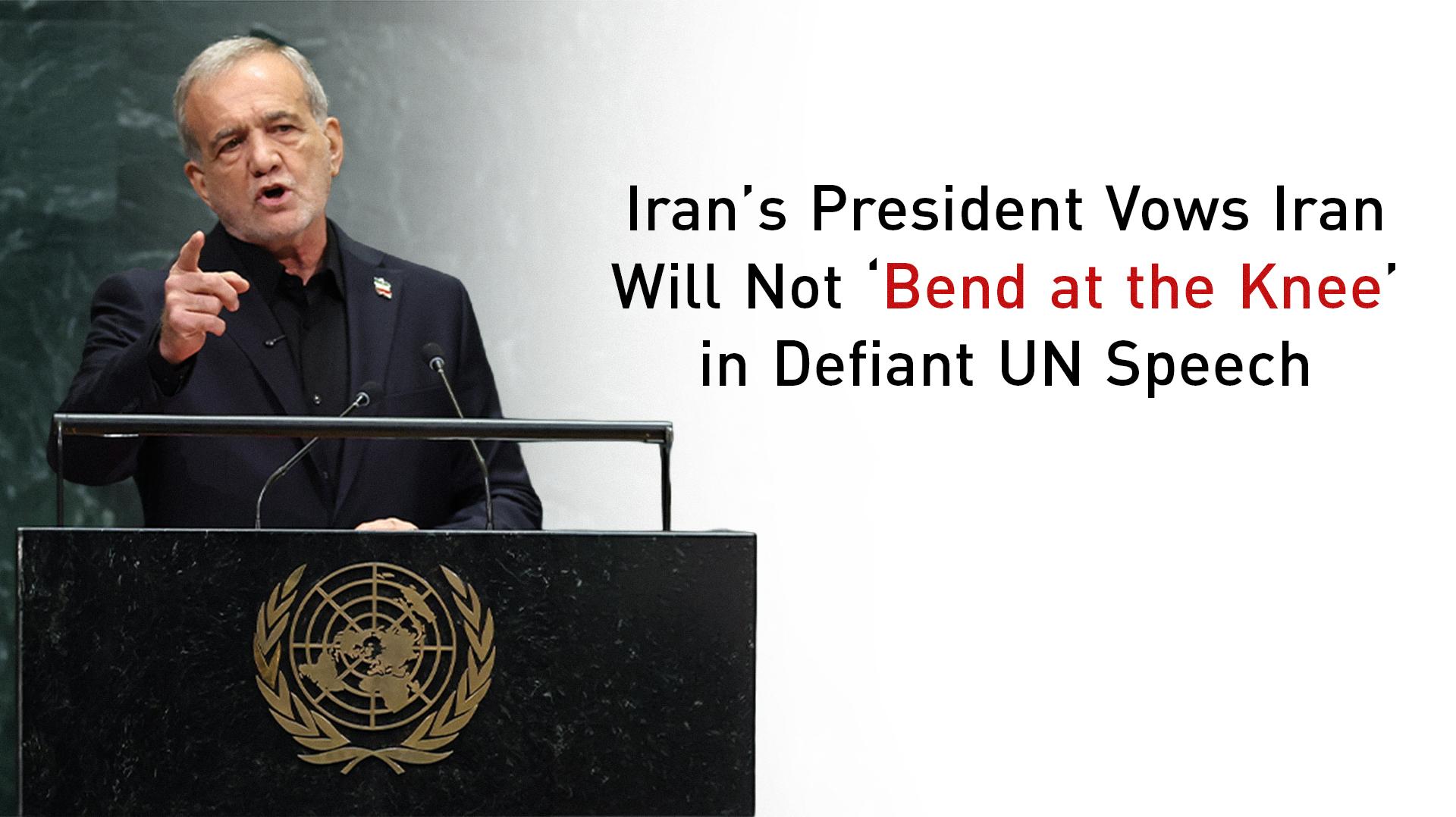
Iran’s President Vows Iran Will Not ‘Bend at the Knee’ in Defiant UN Speech