Iran23 September, 20263 min read
INS Drakon Arrives in Haifa as Israel Navy Expands Submarine Fleet
This article is an automated aggregation of coverage from news outlets. Our editorials offer in-depth analysis curated by the NewsCord team.
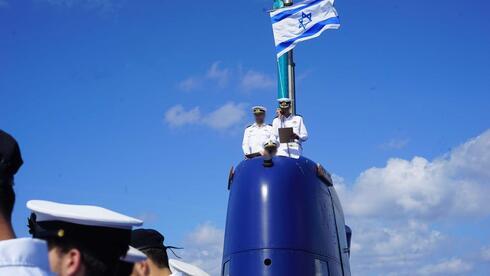
INS Drakon, German-made, sixth submarine, arrives in Haifa after an 8,000-km voyage. Navy plans to expand fleet to eight submarines amid rising regional maritime threats.
6 outlets told this the same way.
Outlets did split on Iran Reviews US Negotiation Proposals As Pakistan And Qatar Mediate Strait Of Hormuz Dispute →
INS Drakon Arrives
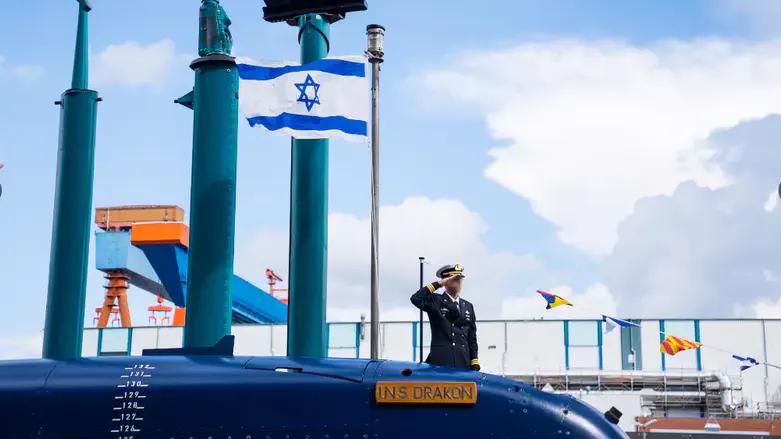
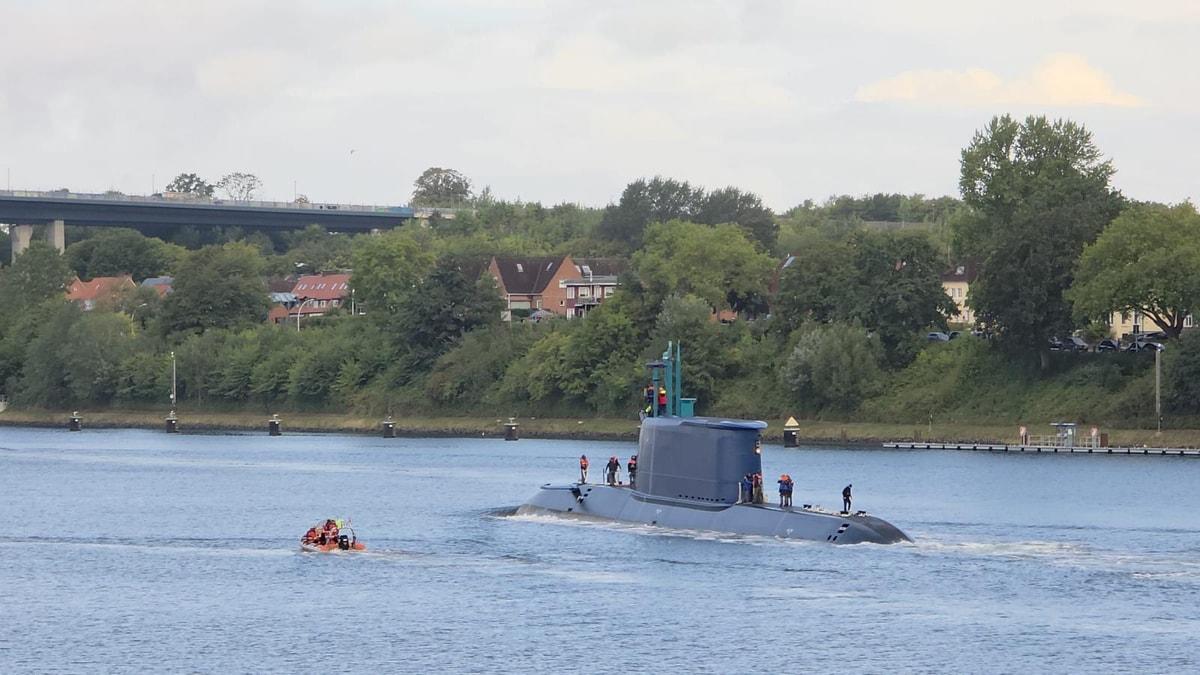
The INS Drakon reached Haifa port after delays tied to an embargo imposed by Norway and Denmark on activities in their territories, and the IDF said the vessel would join the Israeli Navy fleet after fourteen years of planning. The IDF said the delivery of the submarine was delayed several months because Denmark and Norway prevented German contractor TKMS from conducting tests of the submarine in their deep waters, forcing TKMS to take INS Drakon further out into the North Sea, in international waters, to conduct the tests during its construction. The IDF said the Navy will operate six submarines, including three Dolphin-class vessels and three Dolphin AIP-class boats, and it framed the expansion as strengthening maritime control beyond the superiority it said it already achieved in parts of the region.
The IDF said 98% of goods reaching Israel arrive by sea, and Navy officials said, "We need to remember that ultimately we are an island nation." The IDF also said that since October 7, 2023, new theaters have been added to the Navy's operational scope, including Iran, Yemen and additional countries in the western Mediterranean.
Underwater Capability and Weapons
The Drakon measures over 70 meters long, making it about 30% larger than the original Dolphin-class submarines, and the section visible above the water accounts for less than one-fifth of its total size. The Drakon includes 10 torpedo tubes in the bow, six standard 533 mm tubes and four larger 650 mm tubes, and the larger tubes can deal with heavier weapons, specialized equipment, and even underwater vehicles. The submarine's expanded design could include possible vertical launch systems, and experts have speculated that Israeli submarines are part of a triad of nuclear deterrence that Israel possesses, along with land-based and air-based weapons.
The IDF said the German-made INS Drakon, which it said would be officially accepted in Israel at a ceremony on Thursday, has stronger weapons and longer underwater capabilities than prior Israeli submarines. The IDF said the Dolphin II variant equipped with an AIP system can generate energy and recharge its batteries while submerged without needing to surface or access external air, and it said earlier submarines could stay submerged for a couple of days, then a couple of weeks.
Expansion Plans and Maritime Stakes
The Israeli defense establishment recommended expanding the Navy's submarine fleet to eight in simultaneous service, and the recommendation was delivered to the political echelon. The defense establishment's position reflected a shift from replacing older vessels while maintaining the current quota, to expanding the fleet in total, and the fleet currently numbers five active submarines and is expected to grow to six upon the upcoming arrival of the newest vessel. The defense establishment's change in course was influenced by close tracking of the Turkish Navy's growth, and Turkey currently has 14 active German-made submarines and is expected to expand its fleet to 18 in the coming years.
Israel faces threats stretching from Iran and the Houthis to Turkey and vulnerable infrastructure beneath the Mediterranean, and the stakes are especially high because 98% of Israel's trade arrives by sea. A senior security official said, "The issue of Bab al-Mandab and freedom of navigation in the Red Sea is a distinctly Israeli interest," and the official said a blockade on Israel could be created not only through military means but also through civilian actions such as flotillas.